A- ja B-luokan akkukennot: Mikä on ero ja kumpi sinun pitäisi valita?
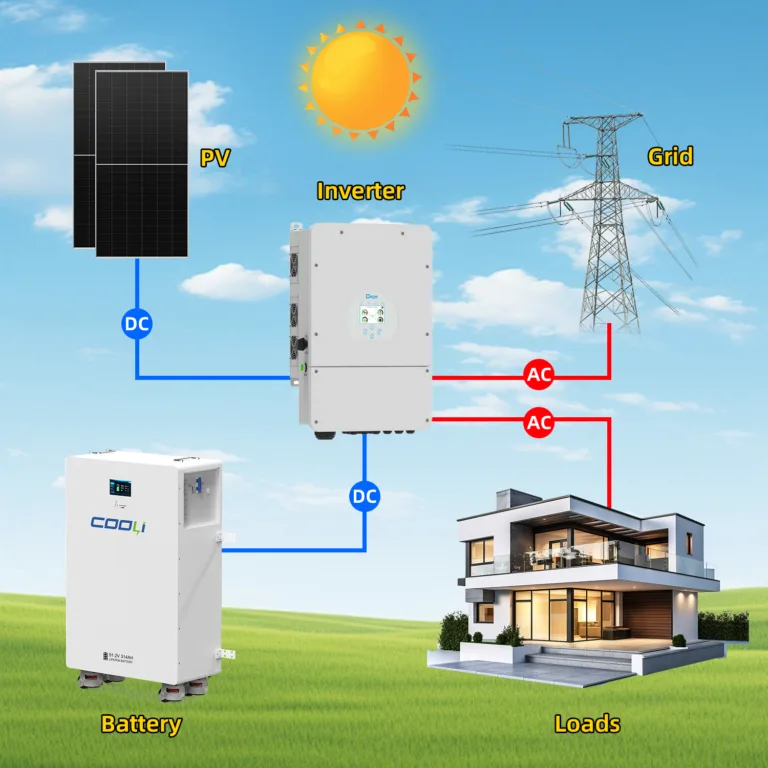
Aurinkoenergian varastoinnin kysynnän kasvaessa Kinshasassa ja koko Afrikassa, useammat ostajat vertailevat akun laatua ennen ostoa. Yksi yleisimmistä kysymyksistä on: Mitä eroa on A- ja B-luokan akkukennoilla?
Olitpa asentamassa kotiin aurinkosähköjärjestelmää, varavirtaratkaisu, tai kaupallinen energian varastointiprojekti, akkukennojen laatujen ymmärtäminen voi auttaa sinua tekemään älykkäämpiä investointeja.
Mitä ovat A-luokan akkukennot?
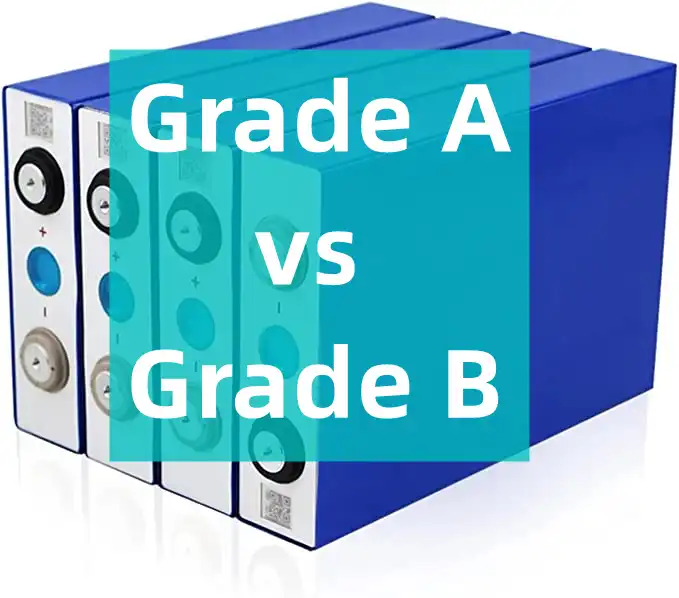
A-luokan akkukennot ovat korkealaatuisia kennoja, jotka valmistajat valmistavat suoraan ja jotka on testattu täyttämään tiukat suorituskykystandardit. Nämä kennot tarjoavat kapasiteetissa korkeimman johdonmukaisuuden, jännite, sisäinen vastus, ja syklin käyttöikää.
A-luokan akkukennojen tärkeimpiä etuja ovat:
- Täysi nimelliskapasiteetti
- Pidempi käyttöikä
- Parempi lataus- ja purkuteho
- Parempi turvallisuussuorituskyky
- Vakaa pitkäaikainen toiminta
- Valmistajan takuutuki
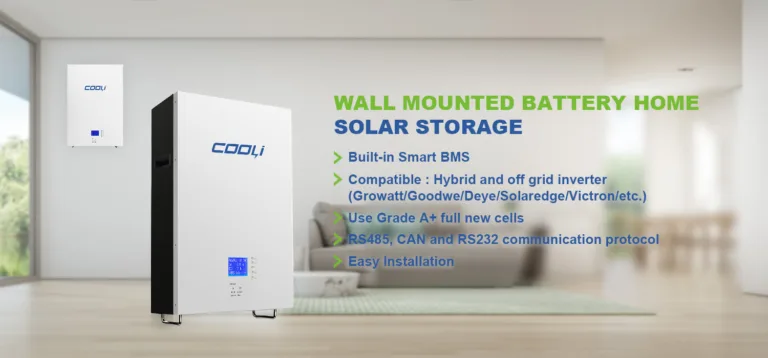
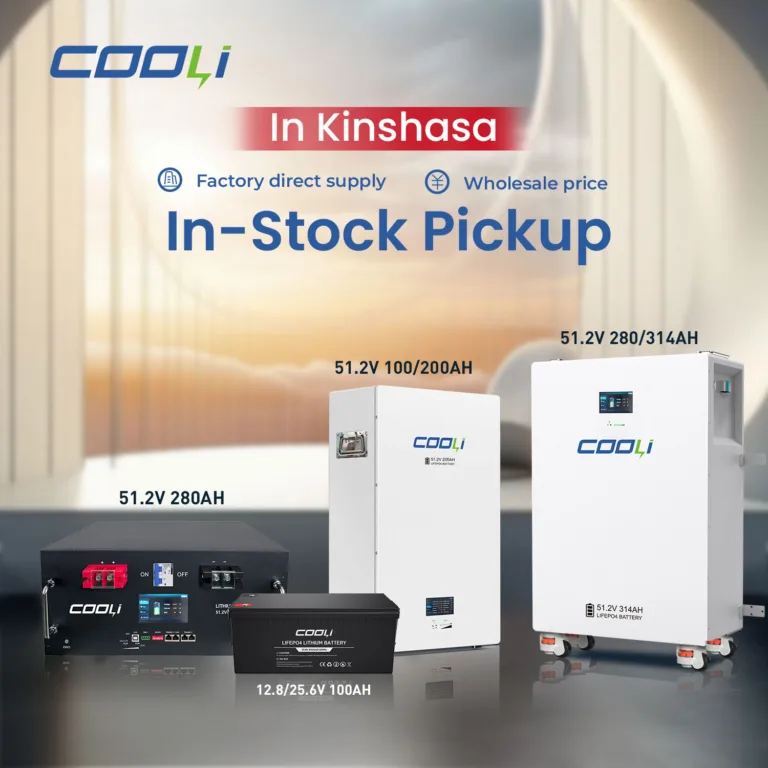
Useimmat korkealaatuiset LiFePO4-akut, joita käytetään asuin- ja kaupallisissa aurinkoenergian varastointijärjestelmissä, on rakennettu luokan A kennoilla.
Mitä ovat B-luokan akkukennot?
B-luokan akkukennot ovat kennoja, jotka eivät täysin täytä valmistajan korkeimpia luokitusstandardeja. Tämä voi johtua pienistä kapasiteetin eroista, sisäinen vastus, ulkonäkö, tai tuotantotestien tuloksista.
On tärkeää ymmärtää, että luokka B ei automaattisesti tarkoita viallista. Monet B-luokan kennot pysyvät turvallisina ja toimivina, kun ne testataan oikein ja kootaan akkuihin.
Yhteisiä ominaisuuksia ovat mm:
- Pienemmät ostokustannukset
- Hyväksyttävä suorituskyky moniin sovelluksiin
- Pieniä eroja solujen välillä
- Mahdollisesti lyhyempi käyttöikä
- Alempi konsistenssi verrattuna luokan A soluihin
Budjettitietoisille käyttäjille, B-luokan akkukennot voivat tarjota käytännöllisen ja edullisen energian varastointiratkaisun.
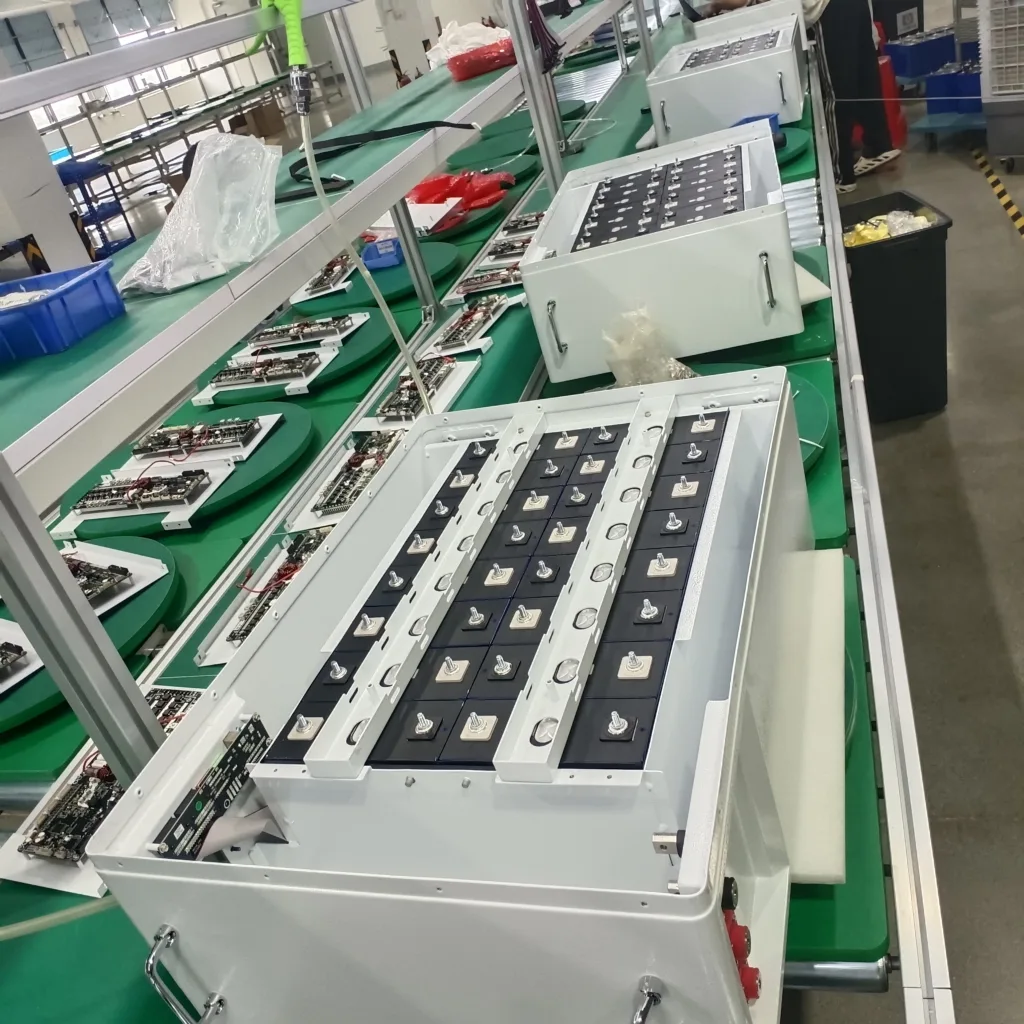
A-luokan vs. luokan B akkukennot
| Ominaisuus | A-luokan solut | B-luokan solut |
|---|---|---|
| Kapasiteetin johdonmukaisuus | Erinomainen | Kohtalainen |
| Cycle Life | pidempään | Lyhyempi |
| Suorituskyvyn vakaus | Korkea | Vaihtelee |
| Takuutuki | Yleensä saatavilla | Riippuu Toimittajasta |
| Hinta | Korkeampi | Alentaa |
| Paras käyttö | Ensiluokkaiset aurinkojärjestelmät | Edullinen aurinkokunta |
Ovatko luokan B akkukennot ostamisen arvoisia?
Joo, varsinkin kun budjetti on tärkeä näkökohta.
Monet kotitaloudet ja pienyritykset Kinshasassa haluavat luotettavaa energian varastointia ilman suuria ennakkoinvestointeja. Huolellisesti testatuista B-luokan kennoista valmistettu akku voi silti tarjota vuosien luotettavan palvelun kodin varavirta- ja aurinkosovelluksiin..
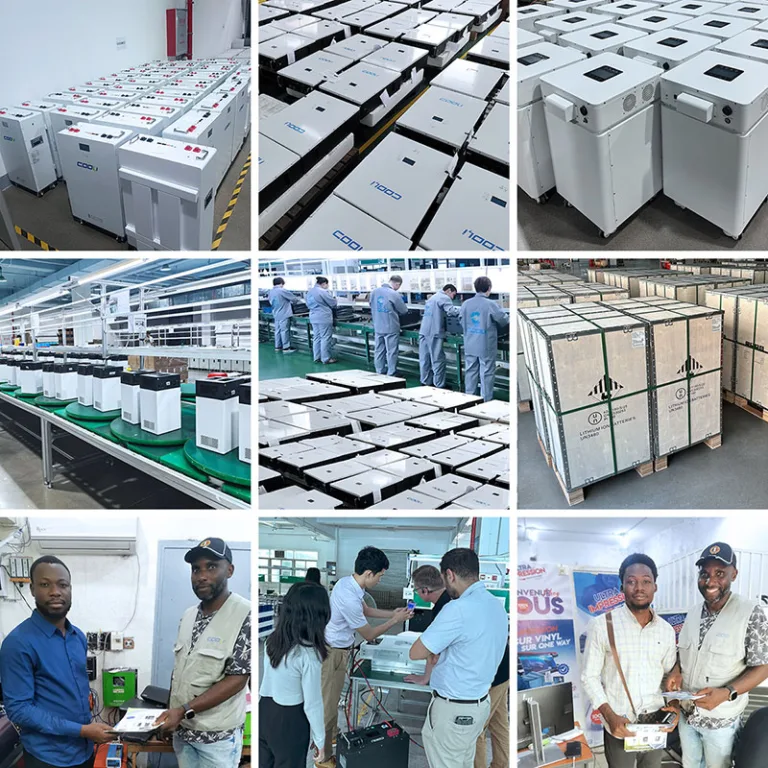
Tärkeintä on ostaa hyvämaineiselta toimittajalta, joka suorittaa tiukan laadunvalvonnan, solujen sovitus, ja akun testaus ennen toimitusta.
Hyvin rakennettu luokka B LiFePO4 akku on usein parempi valinta kuin huonosti koottu akku, jossa käytetään heikkolaatuisia komponentteja.
Mikä akkukennoluokka on paras aurinkoenergian varastointiin?
Paras valinta riippuu tarpeistasi.
Valita A-luokan akkukennot jos:
- Haluat maksimaalisen käyttöiän ja suorituskyvyn
- Järjestelmäsi toimii päivittäin
- Tarvitset sijoitukselle pitkän aikavälin tuoton
- Projekti vaatii korkeaa luotettavuutta
Valita B-luokan akkukennot jos:
- Sinulla on rajallinen budjetti
- Tarvitset edullista varavirtaa
- Energiankulutuksesi on kohtalainen
- Akut tulevat luotettavalta toimittajalta, jolla on laaduntestausmenettelyt
Johtopäätös
Kun verrataan A- ja B-luokan akkukennoja, kumpikaan vaihtoehto ei ole automaattisesti oikea tai väärä. A-luokan solut tarjoavat ensiluokkaista suorituskykyä, pidempi käyttöikä, ja korkeampi johdonmukaisuus, B-luokan solut tarjoavat kustannustehokkaan ratkaisun käyttäjille, jotka etsivät alhaisempia alkukustannuksia.
Aurinkoenergian käyttäjille Kinshasassa, Tärkeintä on valita luotettava akkuvalmistaja, joka suorittaa kattavan testauksen ja laadunvalvonnan. Valitsetko A- tai B-luokan solut, oikein suunniteltu LiFePO4-akkujärjestelmä voi tuottaa luotettavaa tehoa ja auttaa vähentämään energiakustannuksia tulevina vuosina.