
Lítium akkumulátorok napelemes rendszerekben: 5 A hatékonyság növelésének legfontosabb előnyei 90%
Lítium akkumulátorok forradalmasították a napenergia tárolását, kiváló teljesítményt nyújt a hagyományos ólom-sav társaihoz képest. Az alábbiakban részletesen bemutatjuk a naprendszerekben betöltött szerepüket, technikai ismeretek és valós alkalmazások támogatják.
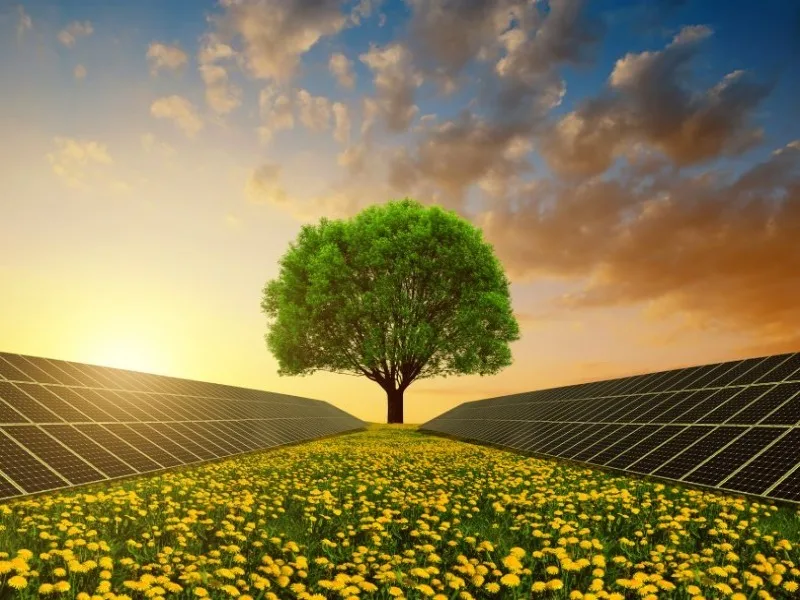
1. Alapvető előnyei Lítium akkumulátorok napelemes rendszerekben
A. Magas Hatékonyság & Energiasűrűség
- Oda-vissza Hatékonyság: A lítium akkumulátorok 95-99%-os hatékonyságot érnek el, szemben az ólomsav 70–85%-ával, az energiaveszteség minimalizálása a töltési/kisütési ciklusok során 13.
- Energiasűrűség: A lítiumcsomagok térfogategységenként háromszor több energiát tárolnak, a helyigény 70%-os csökkentése 18. Például, a 5.12 A kWh lítium rendszer a hely felét elfoglalja, mint egy hasonló kapacitású ólom-sav rendszer.
B. Meghosszabbított élettartam & Költséghatékonyság
- Életciklus: LiFePO4 (lítium-vas-foszfát) Az akkumulátorok 2000–10 000 ciklust bírnak ki 80% kisülési mélység (DoD), tartós ólom-sav (300-500 ciklus at 50% DoD) 13. Felett 15 évek, a lítium előzetes költsége (2–3× magasabb) ellensúlyozza a kevesebb csere, 40–50%-kal alacsonyabb élettartamú költségeket eredményez 3.
- Karbantartásmentes: Ellentétben az ólom-savas akkumulátorokkal, amelyek vízutántöltést és szulfatációs ellenőrzést igényelnek, a lítium rendszerek karbantartás nélkül működnek 28.
C. Gyors töltés & Hőmérsékletállóság
- Töltési sebesség: A lítium 2-5 óra alatt töltődik vs. 8-10 óra ólom-sav esetén, lehetővé teszi a gyors energiafelvételt a napfény csúcs idején 13.
- Hőmérséklet tartomány: Hatékonyan működik -20°C és 60°C között (-4°F és 140 °F között) kisütéshez és 0°C és 49°C között (32°F és 120 °F között) töltéshez. A fejlett modellek magukban foglalják az önfűtést a mínuszos környezetekhez 38.
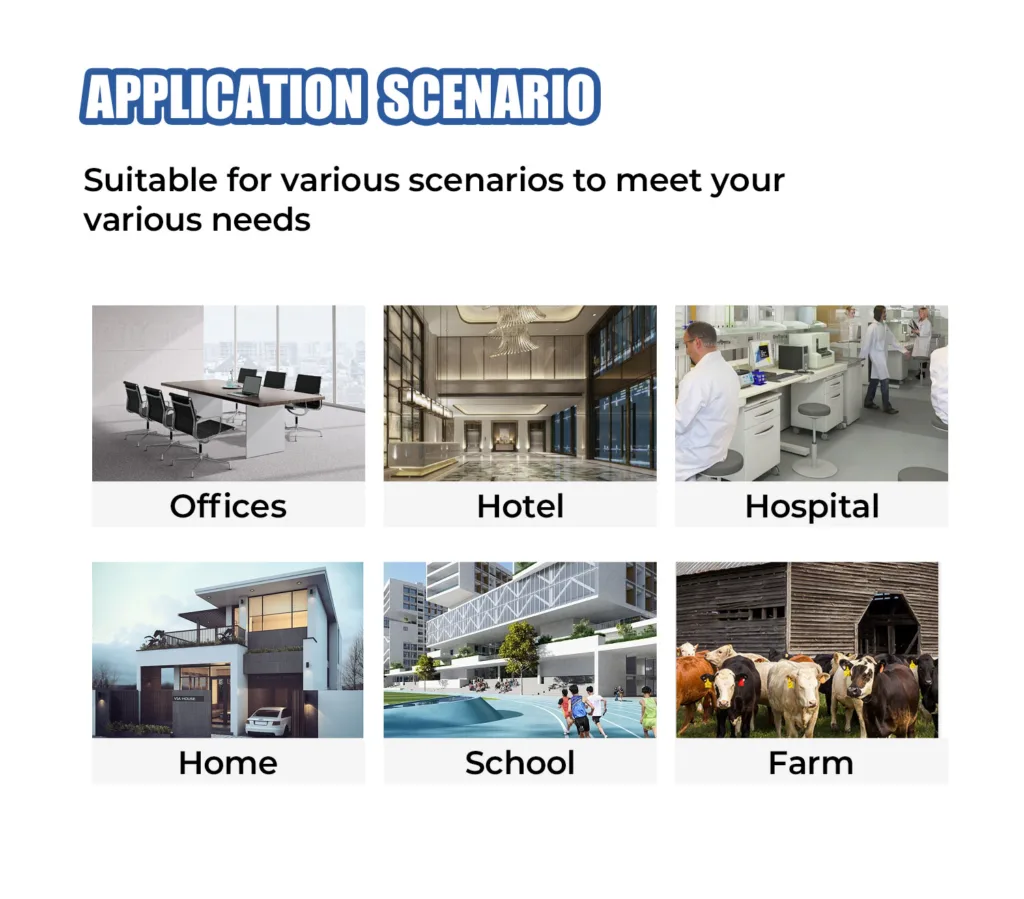
2. Alkalmazások a napelemes rendszerekben
A. Lakó & Kereskedelmi napelemes tárolás
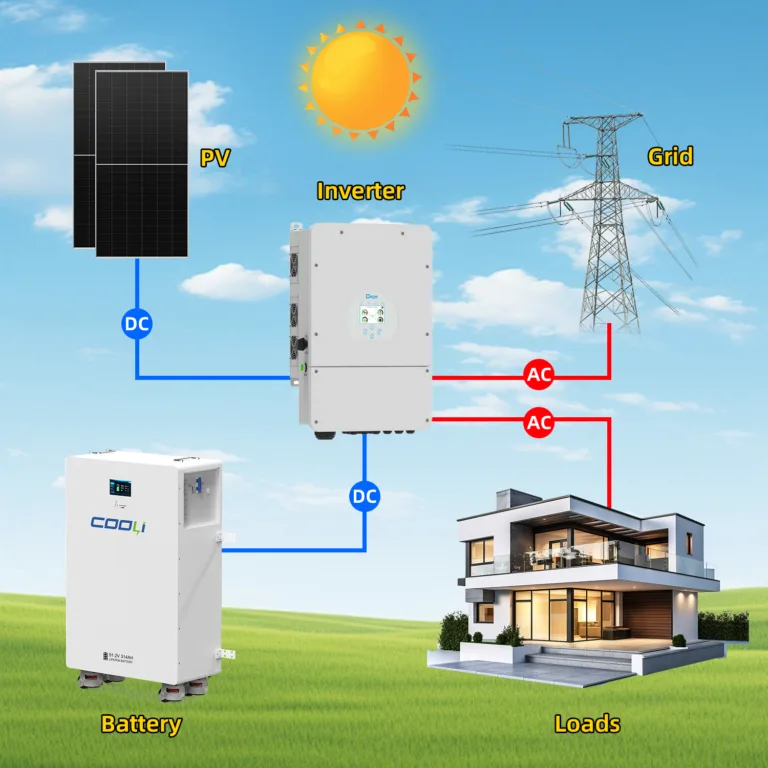
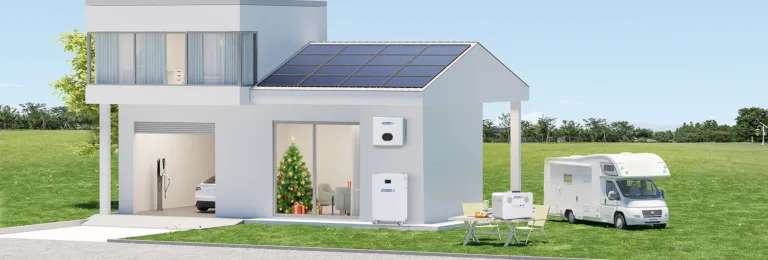
- Energiafüggetlenség: Tárolja a felesleges napenergiát éjszakai használatra vagy hálózati kimaradásokra, a közüzemi hálózatoktól való függés csökkentése 48.
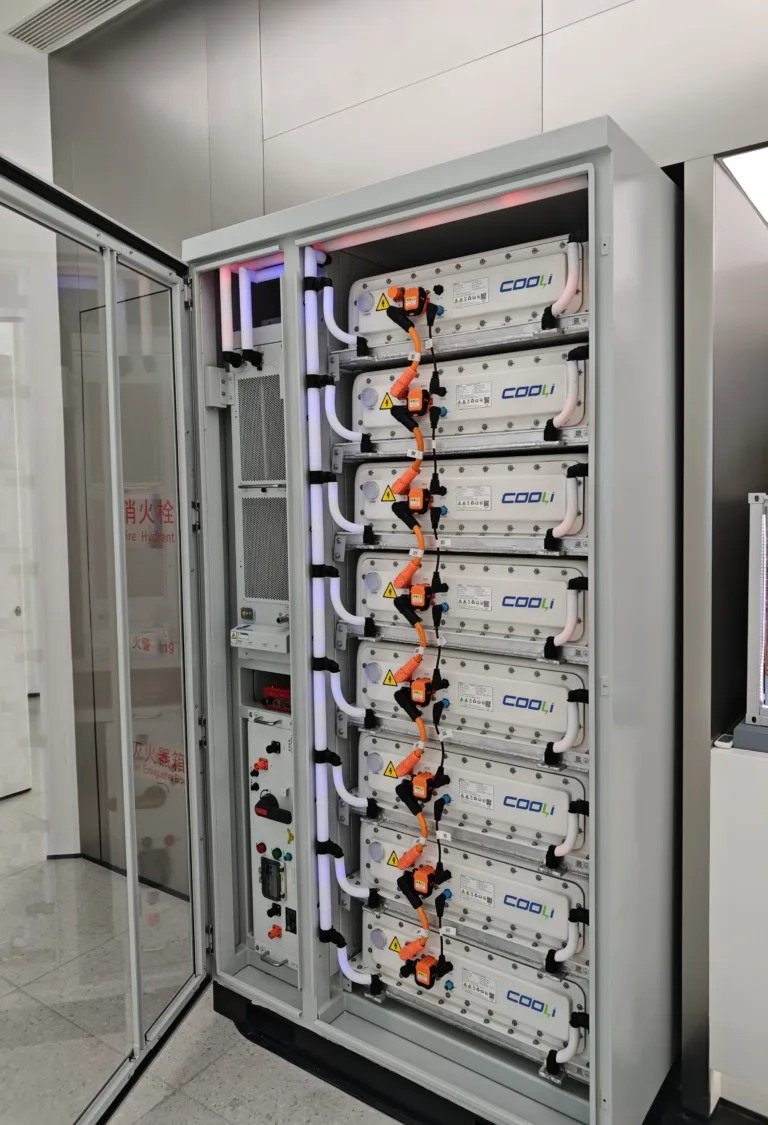
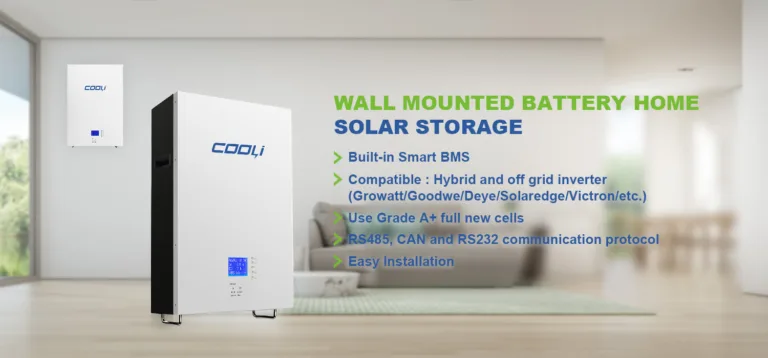
- Méretezhetőség: Moduláris lítium rendszerek (például, A BSLBATT 5,12 kWh-10,24 kWh egységei) lehetővé teszi a könnyű kapacitásbővítést 8.
B. Off-Grid & Távoli megoldások
- Kempingezés/lakóautók: Könnyű lítium csomagok (60% könnyebb, mint az ólom-sav) ideálisak mobil beállításokhoz 8.
- Ipari biztonsági mentés: A telemetriában használatos, távfelügyelet, és a kritikus infrastruktúra a megbízhatóság és a hosszú élettartam miatt 24.
C. Rács támogatás & Mikrorácsok
- Peak Shaving: Csökkentse a hálózati igényt a nagy energiájú időszakokban a tárolt napenergia megcsapolásával 4.
- Frekvenciaszabályozás: A lítium gyors reagálása stabilizálja a hálózatokat a hibrid megújuló rendszerekben 10.
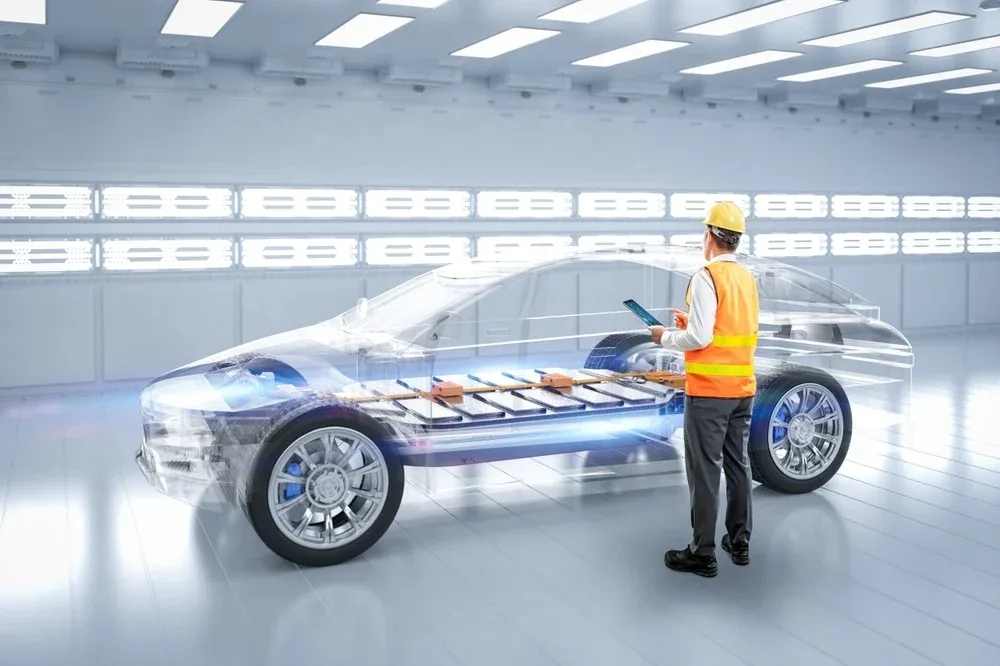
3. Innovations Driving Adoption
A. Integrált napelemes tárolórendszerek
- Monolitikus minták: A kutatók szilícium napelemeket kombináltak szilárdtest lítium akkumulátorokkal, elérése 15.8% napenergia-tárolás hatékonysága. Ezek a rendszerek feltöltődnek 45 másodpercig napfényben, és magas kisülési sebességet tart fenn (28C) 9.
B. Szilárdtest & Lítium ötvözet Tech
- Szilárdtest akkumulátorok: Fokozott biztonságot kínál a gyúlékony folyékony elektrolitok cseréjével. A legújabb tanulmányok kihívásokra hívják fel a figyelmet (például, Li-In dendritek a szulfid elektrolitokban), de az interfészmérnöki fejlesztések a 710-et ígérik.
- Lítiummal adalékolt napelemek: A sugárzásállóság javítása az űralkalmazásokban, lehetővé teszi az öngyógyítást a nagyenergiájú részecskék sérüléseiből 6.
C. Fenntarthatóság & Újrafeldolgozás
- Alacsonyabb szénlábnyom: A lítium rendszerek életciklusuk során 43–57%-kal csökkentik az üvegházhatású gázok kibocsátását az ólomsavhoz képest 10.
- Újrahasznosítási infrastruktúra: A növekvő kezdeményezések helyreállnak >90% lítiumból, kobalt, és nikkel, az erőforrások szűkösségének kezelése 10.
4. Kihívások & Jövőbeli kilátások
A. Jelenlegi korlátozások
- Előzetes költség: A kezdeti beruházás továbbra is magas, bár az árak csökkentek 80% 2010 óta 8.
- Hideg töltés: 0°C alatti fűtési rendszert igényel, bonyolultság növelése 3.
B. Feltörekvő trendek
- Nátrium-ion hibridek: Olcsóbb és bőségesebb, mint a lítium, nátrium-ion akkumulátorok (SIB-ek) egyre nagyobb teret hódítanak az alacsony költségű hálózati tárolás terén, bár az energiasűrűség 10-től elmarad.
- AI-vezérelt menedzsment: Intelligens BMS (Akkumulátorkezelő rendszerek) optimalizálja a töltési ciklusokat és előrejelzi a hibákat, élettartam meghosszabbítása 14.
5. Döntési útmutató: A lítium megfelelő az Ön számára?
| Tényező | Lítium | Ólom-Sav |
|---|---|---|
| Kezdeti költség | Magas (1,750–1750–2500/kWh) | Alacsony (500–500–1000/kWh) |
| Élettartam költsége | Alacsonyabb (10– 15 év) | Magasabb (3– 5 év) |
| Hely/súly | Kompakt, könnyűsúlyú | Terjedelmes, nehéz |
| Karbantartás | Egyik sem | Rendszeres ellenőrzések |
| Környezeti hatás | Alacsonyabb szénlábnyom | Ólomszennyezési kockázatok |
Ajánlás: Válassza a lítiumot a hosszú távú megtakarításokhoz, magas hatásfok, és skálázhatóság. Csak akkor válassza az ólomsavat, ha a költségvetési korlátok meghaladják a teljesítményigényeket.
10kWh LiFePO4 akkumulátorok 10kWh napelem költségek Mianmarban 25kWh akkumulátorrendszerek Minden az egyben BESS Container 4MWh szaúdi BESS kínai gyártó A legolcsóbb otthoni akkumulátor Kínai BESS megoldások Kína DDP nagykereskedés Kínai gyári LiFePO4 akkumulátorok Kínai rácsléptékű BESS Kínai OEM beszállítók Kereskedelmi akkumulátortároló Kenya DC ESS megoldások DDP megoldás Közvetlenül a Kongói Demokratikus Köztársaságba Közvetlen Kína Afrikába Közvetlen Kína-Afrika akkumulátor energiatároló akkumulátor Energiatároló rendszerek A lítium akkumulátorok globális vezetői A fokozatú akkumulátor Hálózati méretű akkumulátor-tároló szállító Otthoni akkumulátorok holland családok számára otthoni energiatárolás Ipari BESS Kenya Ólom-sav vs. Lítium-ion akkumulátorok LiFePO4 LiFePO4 akkumulátorok LiFePO4 akkumulátorok Dél-Afrikában LifePo4 akkumulátor LifePO4 akkumulátor technológia LiFePO4 forgalmazó Irakban LiFePO4 ESS Kenya Lítium-ion akkumulátor lítium-ion akkumulátor Alacsonyabb árak Piaci trendek Kültéri folyadékhűtő szekrény Szaúdi LiFePO4 beszerzés Skálázható BESS megoldások az ipar számára Napelemek naprendszer Egymásra rakható All-in-One LiFePO4 napelemek nagykereskedelme Napelemek nagykereskedelme
Egy megjegyzés