
Lítium vs ólom-savas akkumulátor: Átfogó összehasonlítás & Vásárlási útmutató【2025】
A lítium vs ólom-savas akkumulátor teljes útmutatója
Az energiatárolásban, lítium-ion akkumulátorok ésólom-savas akkumulátorok uralják a piacot. Akár napelemes rendszerekre, elektromos járművek, vagy ipari berendezések, a megfelelő akkumulátortípus kiválasztása hatással van a teljesítményre, költség, és hosszú távú hatékonyság. Ez a cikk összehasonlítja ezt a két technológiátciklus élettartama, töltési hatékonyság, környezeti alkalmazkodóképesség, és biztonság, miközben olyan GYIK-ekkel foglalkozik, mint például: „Mi az a zárt ólom-savas akkumulátor?” és „Melyik a jobb?” segít megalapozott döntések meghozatalában.
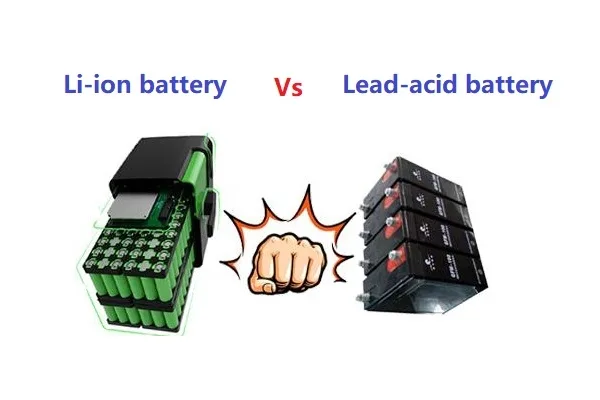
1. Alapvető különbségek az ólom-savas és lítium akkumulátorok között
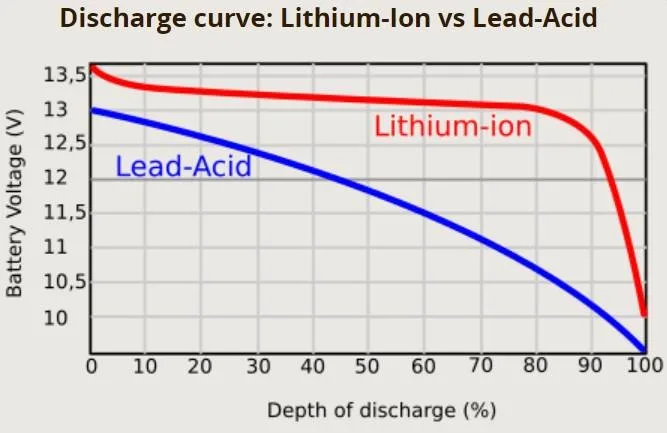
1.1 Életciklus & Költséghatékonyság
- Lítium-ion (például, LiFePO4): 3,000– 5000 ciklus, megtartása 80%+ kapacitás után 2,000 ciklusok.
- Ólom-Sav: 300– 500 ciklus, a kapacitás gyakran alá csökken 50% után 150 ciklusok.
- Költségbetekintés: A lítium előzetes költsége 2-3-szor magasabb, de élettartama 40-50%-kal csökkenti a hosszú távú kiadásokat.
1.2 Töltési sebesség & Energiahatékonyság
- Lítium: Töltődik2– 5 óra (99% hatékonyság); támogatja a részleges „lehetőség töltést”.
- Ólom-Sav: Megköveteli8– 10 óra (50-80%-os hatékonyság) és teljesen le kell meríteni az újratöltés előtt, hogy elkerülje a szulfatációs károsodást.
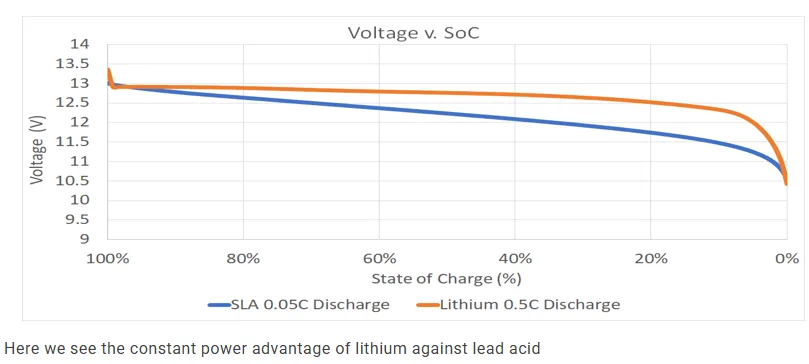
1.3 Hőmérséklet tolerancia
- Nagy hőség: A lítium 55°C-on kétszer hosszabb ideig tart, mint az ólomsav (131°F).
- Alacsony hőmérsékletek:
- Lítium: Szállít 70% kapacitás -18°C-on (0°F) de 0°C alatt nem tölthető (32°F) fűtési rendszerek nélkül.
- Ólom-Sav: Biztosítja 45% kapacitása -18°C-on, és lehetővé teszi az alacsony áramú töltést fagyos körülmények között.
1.4 Súly & Térhatékonyság
- A lítiumnak van3× nagyobb energiasűrűség, mérés 60% kevesebb. Például, egy 48V/600Ah lítiumcsomag súlya ~700 font vs.. 1,800 lbs az ólom-savért.
2. Mi az a zárt ólom-savas akkumulátor (VRLA)?
Szelep által szabályozott ólom-sav (VRLA) akkumulátorok karbantartásmentesek, egyedi kialakításúak:
- Szerkezet: Az elektrolitot AGM szeparátorok vagy gél abszorbeálják, szivárgások megszüntetése.
- Biztonság: A nyomáscsökkentő szelepek megakadályozzák a sav kiömlését a túltöltés során.
- Alkalmazások: UPS rendszerek, vészvilágítás, orvosi eszközök (5– 10 éves élettartam).
3. Melyik a Jobb? A legfontosabb alkalmazások dekódolva
✅Mikor válasszunk lítium akkumulátorokat
- Nagy ciklusú alkalmazások: Napelemes tároló, targoncák (5,000+ ciklusok csökkentik a pótlásokat).
- Súlyérzékeny felhasználások: lakóautók, drónok, tengeri alkalmazások.
- Extrém környezetek: Magas hőmérsékletű raktárak vagy hidegláncos logisztika.
✅Amikor az ólom-savas akkumulátorok ragyognak
- Költségvetési korlátok: A kezdeti költség 1/3–1/2 lítium.
- Alacsony karbantartási igény: A VRLA akkumulátorok megfelelnek a tartalék áramellátási rendszereknek.
- Magas vibráció beállításai: Robusztus konstrukció autóindító akkumulátorokhoz vagy nehézgépekhez.
4. Jövőbeli trendek: Szilárdtest-lítium & Ökoinnovációk
Feltörekvő technológia, mint plszilárdtest lítium-fém akkumulátorok (például, A Harvard 10 000 ciklusú prototípusa 10-20 perces töltéssel) ésvizes akkumulátorok (környezetbarát, nem gyúlékony) áttörést ígér. Viszont, olyan kihívások maradnak, mint a dendritek növekedése és a korrózióállóság.
5. Gyors összehasonlító táblázat
| Tényező | Lítium-ion | Ólom-Sav |
|---|---|---|
| Előzetes költség | Magas | Alacsony |
| Élettartam költsége | Alacsonyabb (hosszú élettartam) | Magasabb (gyakori csere) |
| Töltési idő | 2– 5 óra | 8– 10 óra |
| Hőmérséklet tartomány | -20°C–60 °C (kisülés) | -40°C–50 °C (díj korlátozott) |
| Környezetbarátság | Magas (nincs ólom) | Alacsony (nehézfém szennyezés) |
Döntési útmutató: Válaszd a lehetőségetlítium a hosszú élettartam érdekében, hatékonyság, és a hordozhatóság. Válasszonólom-sav szűkös költségvetéshez vagy egyszerű biztonsági mentési igényekhez. Extrém körülményekhez (például, nullapont alatti töltés), biztosítsa az akkumulátorkezelő rendszereket (BMS) integráltak.
Fedezzen fel többet:
Ezzel a részletes összehasonlítással, fel van szerelve az optimális energiatárolási megoldás kiválasztására! 🔋
10kWh LiFePO4 akkumulátorok 10kWh napelem költségek Mianmarban 25kWh akkumulátorrendszerek Minden az egyben BESS Container 4MWh szaúdi BESS kínai gyártó A legolcsóbb otthoni akkumulátor Kínai BESS megoldások Kína DDP nagykereskedés Kínai gyári LiFePO4 akkumulátorok Kínai rácsléptékű BESS Kínai OEM beszállítók Kereskedelmi akkumulátortároló Kenya DC ESS megoldások DDP megoldás Közvetlenül a Kongói Demokratikus Köztársaságba Közvetlen Kína Afrikába Közvetlen Kína-Afrika akkumulátor energiatároló akkumulátor Energiatároló rendszerek A lítium akkumulátorok globális vezetői A fokozatú akkumulátor Hálózati méretű akkumulátor-tároló szállító Otthoni akkumulátorok holland családok számára otthoni energiatárolás Ipari BESS Kenya Ólom-sav vs. Lítium-ion akkumulátorok LiFePO4 LiFePO4 akkumulátorok LiFePO4 akkumulátorok Dél-Afrikában LifePo4 akkumulátor LifePO4 akkumulátor technológia LiFePO4 forgalmazó Irakban LiFePO4 ESS Kenya Lítium-ion akkumulátor lítium-ion akkumulátor Alacsonyabb árak Piaci trendek Kültéri folyadékhűtő szekrény Szaúdi LiFePO4 beszerzés Skálázható BESS megoldások az ipar számára Napelemek naprendszer Egymásra rakható All-in-One LiFePO4 napelemek nagykereskedelme Napelemek nagykereskedelme
2 Megjegyzések