
LiFePO4 vs. Lithium-Ion: Which Battery is Best for Your Home Energy Storage?
LiFePO4 vs. Lithium-Ion: Which Battery Wins for Your Home?
If you’re researching batteries for home solar storage or backup power, you’ve likely encountered two main terms: LiFePO4 and lithium-ion. While both are rechargeable lithium-based batteries, they have critical differences that impact safety, lifespan, and value—especially for home use. Let’s break it down in simple terms.
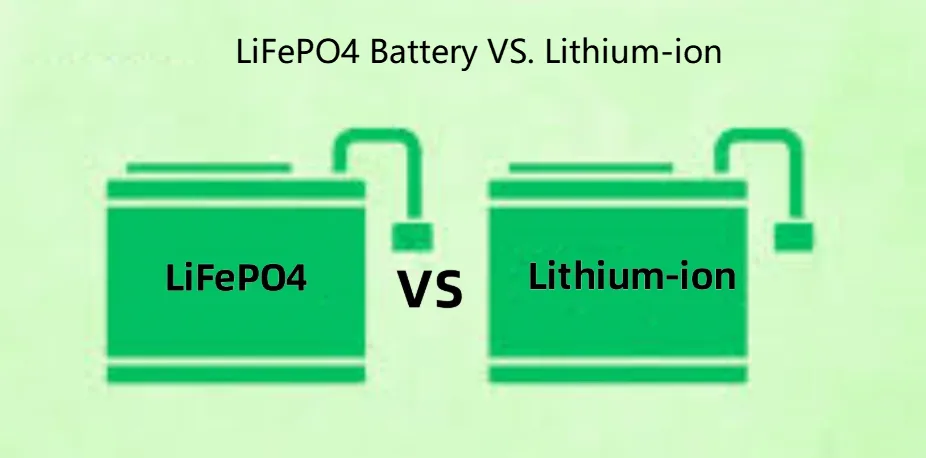
The Key Difference: It’s All About the Chemistry
- “Lithium-ion” (Li-ion) is a broad category. The most common type uses a chemistry called Lithium Cobalt Oxide (LCO) or similar (like NMC or NCA). This is the technology in your smartphone, laptop, and most electric vehicles.
- LiFePO4 (Lithium Iron Phosphate) is a specific subtype of lithium-ion battery. It uses Lithium Iron Phosphate as its cathode material. Think of it as a distinct, safer cousin within the lithium-ion family.
Advantages and Disadvantages: Head-to-Head Comparison
| Feature | LiFePO4 (Lithium Iron Phosphate) | Standard Lithium-Ion (e.g., NMC, LCO) |
|---|---|---|
| Safety & Stability | Excellent. More chemically stable, highly resistant to overheating, and far less prone to thermal runaway (fire). | Good, but higher risk. More sensitive to stress, damage, or improper charging, which can lead to overheating. |
| Lifespan (Cycle Life) | Very Long. Typically lasts 3,000 – 7,000+ charge cycles before significant degradation. | Shorter. Usually offers 500 – 2,000 cycles for common home storage types. |
| Energy Density | Lower. More physical space/weight is needed for the same energy capacity (kWh). | Higher. Packs more energy into a smaller, lighter package. |
| Performance in Heat | More Tolerant. Degrades slower at higher temperatures. | More Sensitive. Heat significantly accelerates degradation. |
| Cost | Higher upfront cost, but often a better long-term value due to its lifespan. | Lower initial cost, but may need replacing sooner. |
| Environmental Impact | Better. Uses non-toxic, abundant iron and phosphate. Easier to recycle. | Worse. Uses rarer, more toxic cobalt and nickel. |
The Verdict for Home Energy Storage: Why LiFePO4 is the Clear Winner
For home battery systems like solar storage or backup power, LiFePO4 is generally the superior and recommended choice. Here’s why:
- Safety First: Your home is your most important asset. LiFePO4’s inherent stability and resistance to fire make it the safest option to install in a garage, basement, or utility room.
- Long-Term Investment: While you pay more initially, a LiFePO4 battery can last 2-4 times longer than a standard Li-ion battery. Over 10-15 years, you’ll likely replace an NMC battery once or twice, while the LiFePO4 unit may still be going strong. This translates to a lower cost per cycle.
- Perfect Fit for Home Needs: Home batteries don’t need to be ultra-light or tiny. The slightly larger size of LiFePO4 is a minor trade-off for vastly improved safety and lifespan. Modern LiFePO4 packs are still compact and wall-mountable.
When might standard Lithium-Ion (NMC) be considered? Primarily if space is extremely limited and maximizing energy density in the smallest possible unit is the absolute top priority. However, for the vast majority of homeowners, the benefits of LiFePO4 far outweigh this single advantage.
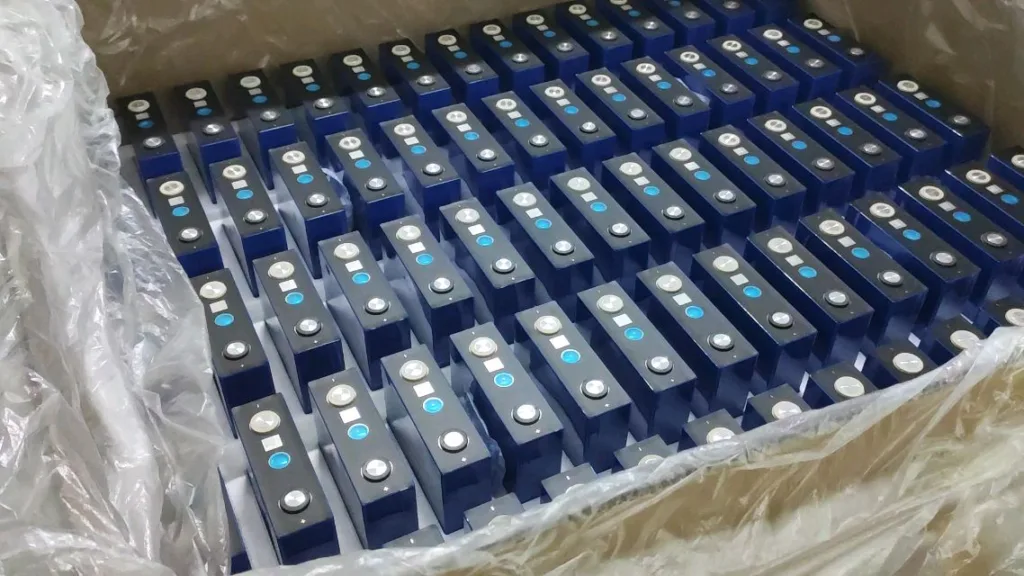
Conclusion
Choosing a home battery is about safety, longevity, and total value.
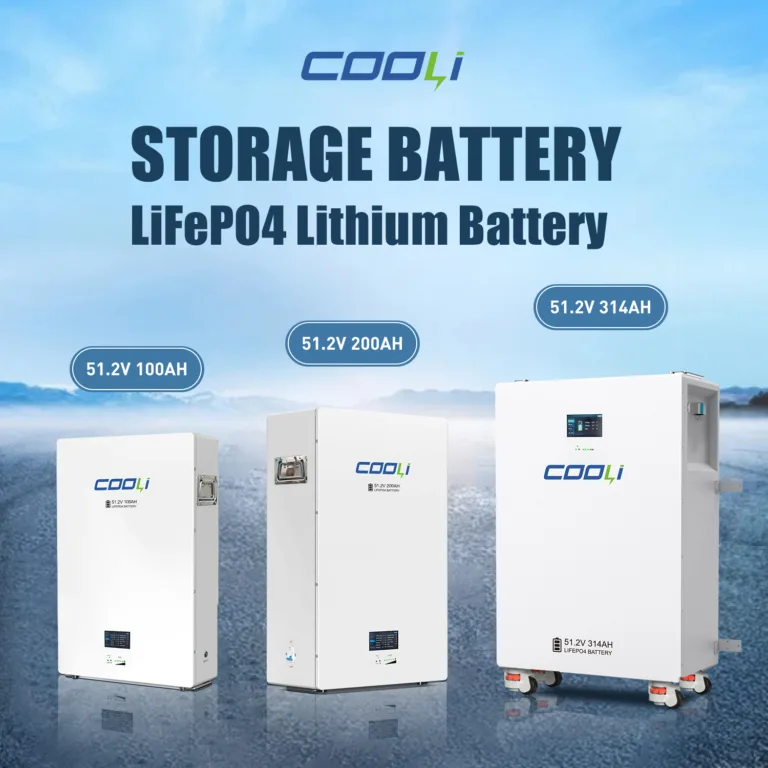
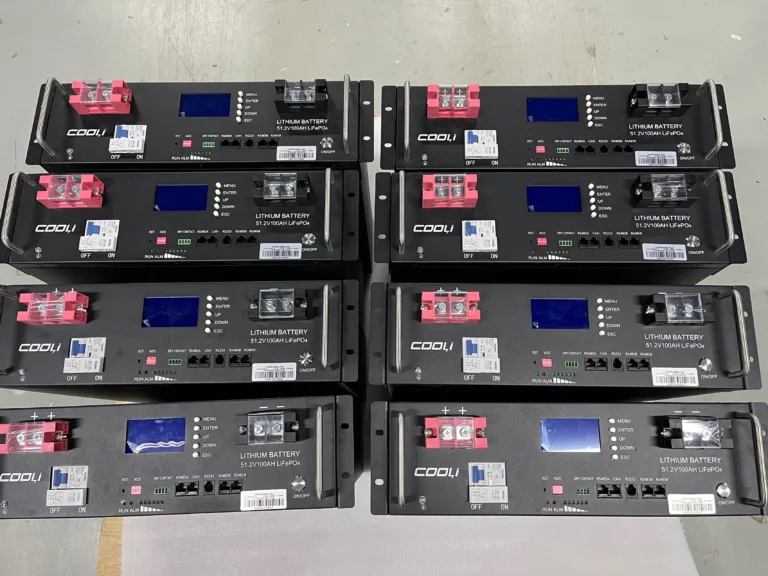
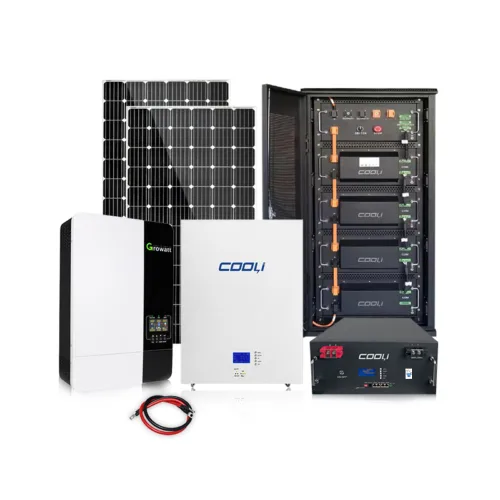
- Choose LiFePO4 for a safer, longer-lasting home energy storage system. It’s the reliable workhorse designed to power your home safely for decades. Most reputable home battery brands (like Tesla Powerwall, LG RESU, COOLI,and many others) are now increasingly using LiFePO4 chemistry for these very reasons.
- Standard Lithium-ion (NMC) may have a lower sticker price, but its shorter lifespan and higher safety risks make it a less optimal choice for a permanent, stationary home installation.
Pro Tip: When shopping, look beyond the general “lithium-ion” label. Always check the specific chemistry. Manufacturers proud of their safe, long-life batteries will prominently advertise “LiFePO4” or “LFP” technology.

One Comment