
24Bateria litowa V vs 48 V: 5 Kluczowe różnice zwiększające wydajność!
24Bateria litowa V vs 48 V – Co jest najlepsze dla Twojego Układu Słonecznego
Przy wyborze systemu akumulatorów do pojazdów elektrycznych, konfiguracje solarne, lub sprzęt przemysłowy, wybór pomiędzy 24V I 48Baterie litowe V jest krytyczny. W tym przewodniku omówiono różnice w wydajności, efektywność, i przydatność do różnych zastosowań — co pomoże Ci podjąć świadomą decyzję.
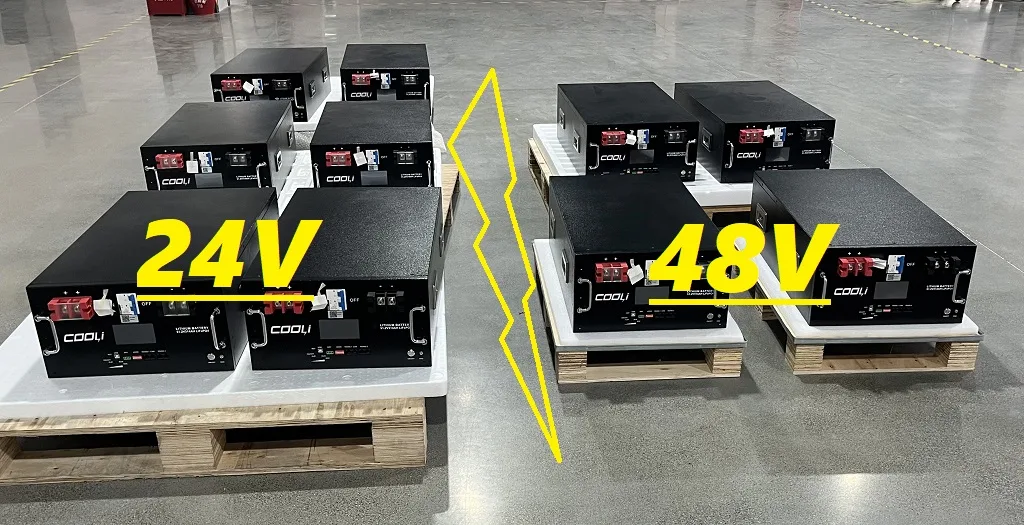
1. Konfiguracja napięcia i akumulatora
Najbardziej oczywista różnica polega na ich napięciu:
- 24Systemy V są budowane poprzez połączenie dwie baterie litowe 12V w serii.
- 48Systemy V wymagać cztery baterie litowe 12 V szeregowo, aby uzyskać wyższe napięcie.
Wyższe napięcie w układach 48V przekłada się na większa gęstość energii I zmniejszony przepływ prądu, minimalizując straty energii podczas przesyłu. Dzięki temu napięcie 48 V idealnie nadaje się do zastosowań wymagających dużej mocy, takich jak elektryczne wózki widłowe lub falowniki fotowoltaiczne.
2. Moc wyjściowa i wydajność
Do pojazdów elektrycznych (pojazdy elektryczne)
- 48Baterie litowe V dostarczać 30–50% większa moc niż systemy 24 V, umożliwiając szybsze przyspieszanie i lepsze osiągi pod górę.
- Zakres: Bateria litowa 48 V 24 Ah może zasilać rower elektryczny ~80 km, podczas gdy odpowiednik 24 V może być trudny do osiągnięcia 60 km.
Dla falowników
- A 48Falownik V wytrzymuje większe obciążenia (np., klimatyzatory, narzędzia przemysłowe) z mniejsze straty energii z powodu zmniejszonego prądu. Zwiększa to wydajność nawet o 20% w porównaniu do falowników 24 V.
- 48Systemy V również wymagają cieńsze okablowanie, obniżenie kosztów instalacji.
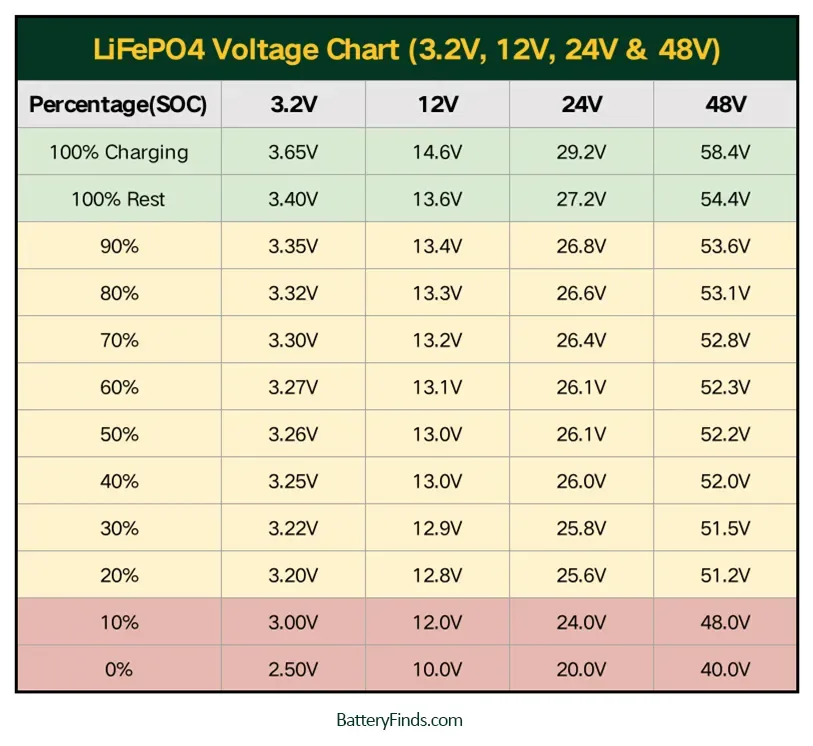
3. Układy Słoneczne: 24V vs 48V
Do instalacji fotowoltaicznych poza siecią:
- 48Systemy V są bardziej wydajne w przypadku dużych instalacji (np., domy, farmy słoneczne). Zmniejszają straty przesyłowe i obsługują urządzenia o dużej mocy.
- 24Systemy V pasować do mniejszych konfiguracji (np., pojazdy kempingowe, kabiny), równoważenie przystępności cenowej i umiarkowanych potrzeb energetycznych.
| Czynnik | 24System V | 48System V |
|---|---|---|
| Koszt początkowy | Niżej (650–650–1300) | Wyższy (920–920–1500) |
| Efektywność | 80–85% | 90–95% |
| Najlepsze dla | Zastosowanie na małą skalę | Zastosowanie na dużą skalę |
Dane z porównań baterii litowych i sodowych.
4. Żywotność i trwałość baterii
- Cykl życiowy:
- Wysokiej jakości baterie litowe 48 V (np., LiFePO4) ostatni 10+ lata z 3,000+ cykle.
- 24Średnie baterie litowe V 5–6 lat (1,000 cykle) ale różnią się w zależności od użytkowania.
- Tolerancja temperatury:
- 48Baterie sodowe V zachowują 90% wydajność w temperaturze -20°C, przewyższa lit w zimnym klimacie.
5. Bezpieczeństwo i konserwacja
- 48Systemy V często obejmują zaawansowane BMS (Systemy zarządzania akumulatorami) aby zapobiec przegrzaniu i przeładowaniu.
- Wymagane są oba napięcia:
- Unikanie kontaktu złączy z wodą.
- Przechowywanie w suchym miejscu, fajne środowiska (unikać bezpośredniego światła słonecznego).
6. Co jest lepsze? Kluczowe rozważania
Wybierać 48Baterie litowe V Jeśli:
✅Potrzebujesz wysoka moc wyjściowa (np., pojazdy elektryczne, maszyny przemysłowe).
✅ Ustal priorytety długoterminowe oszczędności (mniejsze straty energii, wydłużona żywotność).
✅Działaj w zimne klimaty (wybierz warianty sodowe).
Wybierać 24Baterie litowe V Jeśli:
✅Budżet jest ograniczony.
✅ Twoja konfiguracja to na małą skalę (np., domowa energia słoneczna, UPS-em).
✅ Redukcja wagi jest kluczowa (24Pakiety V są lżejsze).
Ostatnie przemyślenia
Do większości zastosowań o wysokich wymaganiach — farmy fotowoltaiczne, elektryczne wózki widłowe, lub pojazdy elektryczne zorientowane na osiągi —48Baterie litowe V są wyraźnym zwycięzcą. Jednakże, 24Systemy V pozostają opłacalnym rozwiązaniem dla mniejszych, mniej intensywne potrzeby. Zawsze uwzględniajwymagania dotyczące napięcia, ładowność, Iwarunki środowiskowe aby zoptymalizować swoją inwestycję.
Potrzebujesz pomocy w wyborze? Skonsultuj się ze specjalistami lub zapoznaj się z systemami hybrydowymi, które łączą oba napięcia w celu uzyskania zrównoważonej wydajności!
10kWh akumulatory LiFePO4 10Koszty kWh baterii słonecznych w Birmie 25Systemy baterii kWh Wszystko w jednym BESS Kontener 4MWh Arabia BESS Producent Chiny Najtańsza bateria domowa Rozwiązania BESS w Chinach Hurtownia DDP w Chinach Baterie LiFePO4 z fabryki w Chinach BESS w skali chińskiej Chińscy dostawcy OEM Komercyjne magazynowanie baterii Kenia Rozwiązania DC ESS Rozwiązanie DDP bezpośrednio do DRK Skieruj Chiny do Afryki Skieruj Chiny do Afryki baterii akumulator energii Systemy magazynowania energii Globalni liderzy baterii litowych Bateria klasy A Dostawca rozwiązań do przechowywania akumulatorów w skali sieciowej Baterie domowe dla holenderskich rodzin domowe magazynowanie energii Przemysłowy BESS Kenia Kwas ołowiowy vs. Baterie litowo-jonowe LiFePO4 akumulatory LiFePO4 Baterie LiFePO4 w Republice Południowej Afryki Bateria LifePo4 Technologia baterii LifePO4 Dystrybutor LiFePO4 w Iraku LiFePO4 ESS Kenia Bateria litowo-jonowa bateria litowo-jonowa Niższe ceny Trendy rynkowe Zewnętrzna szafka chłodząca cieczą Zakup LiFePO4 w Arabii Saudyjskiej Skalowalne rozwiązania BESS dla przemysłu Panele słoneczne układ słoneczny Układanie wszystkiego w jednym Hurtownia baterii słonecznych LiFePO4 Hurtownia baterii słonecznych