5 Najważniejsze wskazówki dotyczące bezpieczeństwa baterii litowych: Unikaj pożarów & Chroń swój dom!
Czy bateria litowa jest bezpieczna? Niezbędne wskazówki dotyczące przechowywania, Sprzedaż & Zapobieganie pożarom
Baterie litowe zasilaj wszystko, od smartfonów po pojazdy elektryczne, ale ich bezpieczeństwo pozostaje gorącym tematem. Na pierwszych stronach gazet pojawiają się doniesienia o pożarach i eksplozjach, to naturalne, że pytamy: Czy baterie litowe są bezpieczne? Krótka odpowiedź brzmi: tak —jeśli są prawidłowo używane i przechowywane. Zagłębmy się w najważniejsze wskazówki dotyczące bezpieczeństwa, ryzyko, oraz rozwiązania oparte na danych, które zapewnią bezpieczeństwo Twojego domu i środowiska.
1. Jak bezpieczne są baterie litowe w domach?
Baterie litowo-jonowe są na ogół bezpieczne do użytku domowego, ale ryzyko wynika z niewłaściwego użycia, szkoda, lub słaba produkcja. WedługNAS. Komisja ds. Bezpieczeństwa Produktów Konsumenckich, spowodowane przez wypadki związane z baterią litową 25,000 w ostatnich latach co roku dochodzi do pożarów. Jednakże, theryzyko eksplozji baterii litowej są niezwykle niskie – szacuje się je na ok1 W 10 milion gdy baterie są nieuszkodzone i używane prawidłowo.
Kluczowe zagrożenia obejmują:
- Przeładowanie: Może prowadzić do ucieczki termicznej (reakcja łańcuchowa powodująca pożar).
- Uszkodzenia fizyczne: Przebicia lub pęknięcia mogą spowodować wewnętrzne zwarcia.
- Baterie złej jakości: Produkty podrabiane lub niecertyfikowane charakteryzują się większą awaryjnością.
2. Jak bezpiecznie przechowywać baterie litowe
Gdzie jest najbezpieczniejsze miejsce do przechowywania baterii litowych? Postępuj zgodnie z tymi wskazówkami:
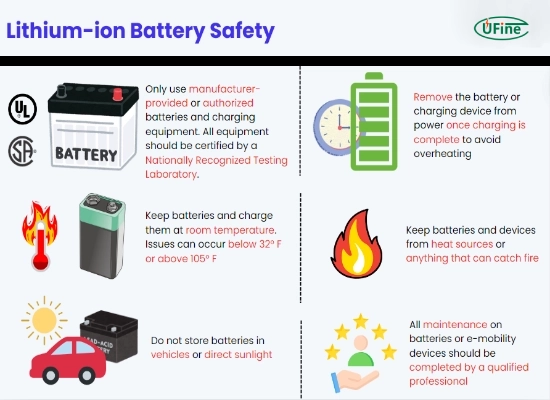
- Kontrola temperatury: Przechowywać w chłodnym, suche miejsce (najlepiej 15–25°C / 59–77°F). Unikaj ekstremalnego ciepła (np., w pobliżu pieców) lub warunki zamarzania.
- Wentylacja: Użyj nieprzewodzącego pojemnika (np., plastikowy) i zapewnić przepływ powietrza, aby zapobiec gromadzeniu się gazu.
- Unikaj kontaktu z metalem: Przechowywać oddzielnie, aby zapobiec zwarciom.
A 2022 studiować przezRozwiązania UL znalazłem to 40% pożarów akumulatorów ma miejsce podczas ładowania. Zawsze odłączaj urządzenia po pełnym naładowaniu.
3. Jak zapobiegać pożarom baterii litowych
Zapobieganie jest kluczem do minimalizacji ryzyka:
- Używaj ładowarek zatwierdzonych przez producenta: Niekompatybilne ładowarki przegrzewają akumulatory.
- Unikaj nadmiernego rozładowania: Nie rozładowuj baterii 0%; większość ma wbudowaną ochronę poniżej 20%.
- Regularnie sprawdzaj: Poszukaj obrzęku, przecieki, lub niezwykłe ciepło.
Jeśli wybuchnie pożar:
- NIE używaj wody początkowo (lit reaguje z wodą).
- Użyj Gaśnica klasy D (do pożarów metali) lub zasyp piaskiem.
- Do dużych pożarów, ewakuować się i wezwać służby ratunkowe.
4. Bezpieczna utylizacja baterii litowych
Nigdy nie wyrzucaj baterii litowych do zwykłych śmieci! Mogą wyciekać toksyczne chemikalia lub zapalić się na wysypiskach śmieci. Zamiast:
- Ponownie wprowadzać do obiegu: Korzystaj z certyfikowanych centrów elektroodpadów (znajdź lokalizacje poprzez Ziemia911).
- Końcówki taśmowe: Okładka +/- kończy się nieprzewodzącą taśmą, aby zapobiec zwarciu.
- Odpady detaliczne: Sklepy takie jak Best Buy lub Home Depot często przyjmują zużyte baterie.
Tylko5% baterii litowych na całym świecie podlega recyklingowi (UNEP, 2023), podkreślając pilną potrzebę właściwej utylizacji.
5. Czy baterie litowe emitują toksyczne opary??
Tak. Kiedy palą się baterie litowe, wypuszczajątoksyczne gazy jak fluorowodór i tlenek węgla. Zawsze:
- Natychmiast przewietrz pomieszczenie.
- W pobliżu uszkodzonego akumulatora należy nosić maskę.
- W przypadku incydentów na dużą skalę szukaj profesjonalnej pomocy.
6. Największy problem z bateriami litowymi
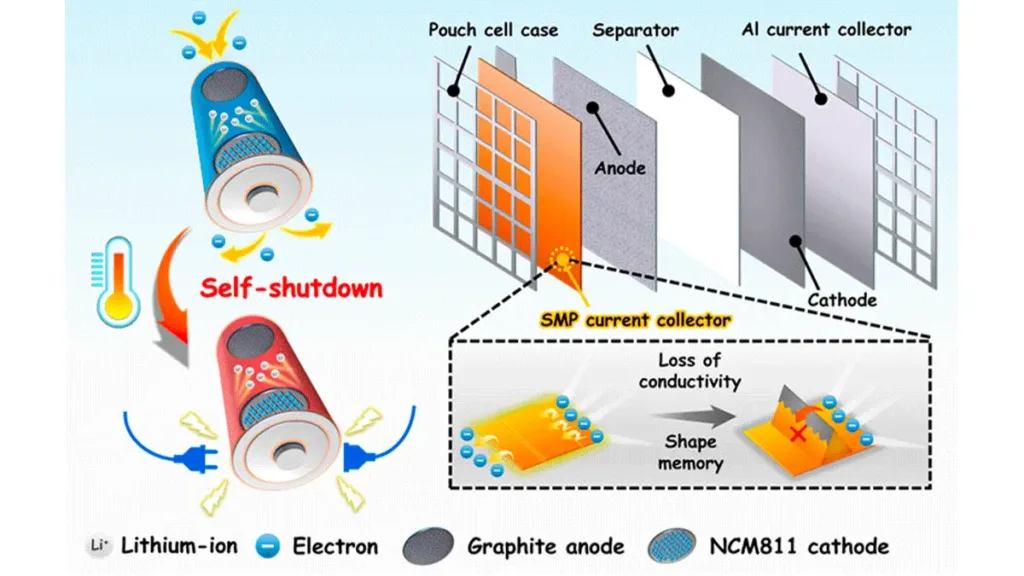
Podstawową kwestią jestucieczka termiczna— szybki, niekontrolowany wzrost temperatury, który może spowodować eksplozję. Jest to często wywoływane przez:
- Wady wewnętrzne.
- Uszkodzenia zewnętrzne (np., miażdżący).
- Narażenie na wysokie temperatury.
Ostatnie przemyślenia
Baterie litowe są bezpieczne w codziennym użytkowaniu, jeśli należy się z nimi obchodzić odpowiedzialnie. Priorytetowo traktuj produkty certyfikowane, właściwe przechowywanie, i recykling w celu ograniczenia ryzyka. Postępując zgodnie z tymi wskazówkami, będziesz chronić swój dom, ukochani, i środowisko.
Bądź na bieżąco. Bądź bezpieczny.
10kWh akumulatory LiFePO4 10Koszty kWh baterii słonecznych w Birmie 25Systemy baterii kWh Wszystko w jednym BESS Kontener 4MWh Arabia BESS Producent Chiny Najtańsza bateria domowa Rozwiązania BESS w Chinach Hurtownia DDP w Chinach Baterie LiFePO4 z fabryki w Chinach BESS w skali chińskiej Chińscy dostawcy OEM Komercyjne magazynowanie baterii Kenia Rozwiązania DC ESS Rozwiązanie DDP bezpośrednio do DRK Skieruj Chiny do Afryki Skieruj Chiny do Afryki baterii akumulator energii Systemy magazynowania energii Globalni liderzy baterii litowych Bateria klasy A Dostawca rozwiązań do przechowywania akumulatorów w skali sieciowej Baterie domowe dla holenderskich rodzin domowe magazynowanie energii Przemysłowy BESS Kenia Kwas ołowiowy vs. Baterie litowo-jonowe LiFePO4 akumulatory LiFePO4 Baterie LiFePO4 w Republice Południowej Afryki Bateria LifePo4 Technologia baterii LifePO4 Dystrybutor LiFePO4 w Iraku LiFePO4 ESS Kenia Bateria litowo-jonowa bateria litowo-jonowa Niższe ceny Trendy rynkowe Zewnętrzna szafka chłodząca cieczą Zakup LiFePO4 w Arabii Saudyjskiej Skalowalne rozwiązania BESS dla przemysłu Panele słoneczne układ słoneczny Układanie wszystkiego w jednym Hurtownia baterii słonecznych LiFePO4 Hurtownia baterii słonecznych