Wall vs Rack Batteries: 7 Brutal Truths Buyers Need to Know
Wall vs Rack Batteries: Which Energy Storage Solution Wins for Your Needs?
If you’re researching energy storage for solar systems, off-grid setups, or backup power, you’ve likely encountered two key options: wall-mounted batteries I server rack batteries. Both have loyal advocates, but which one is right for your needs? Let’s cut through the noise and reveal the unvarnished truths about these two battery types.
What is a Wall Battery?
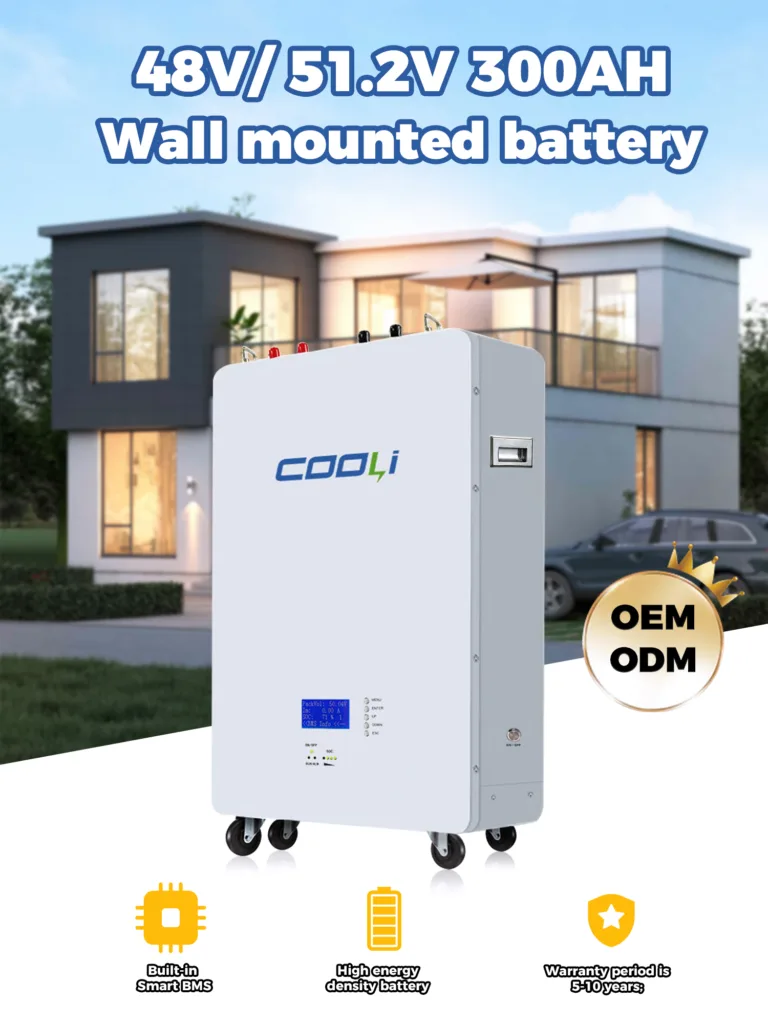
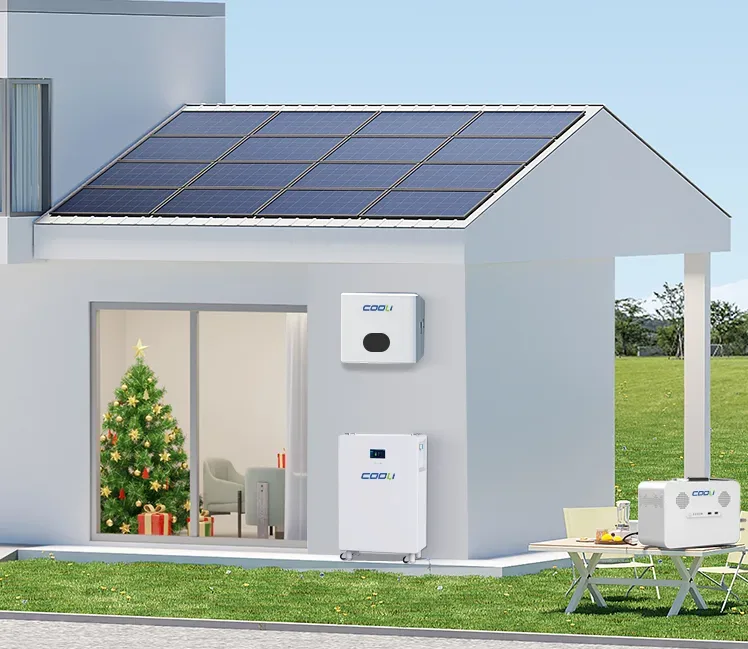
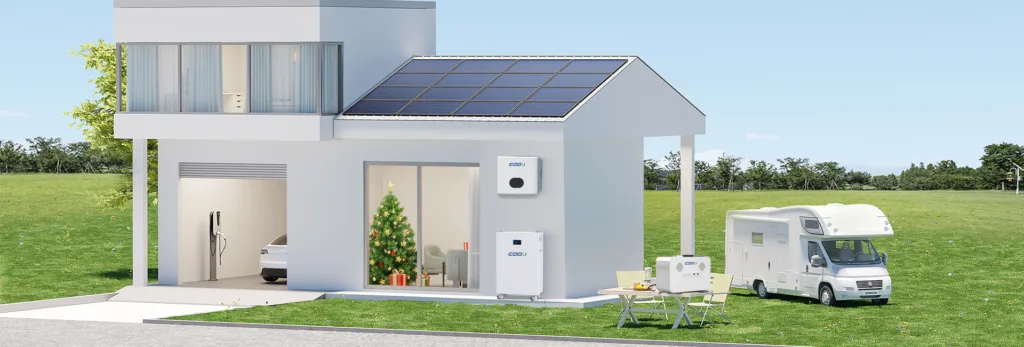
Awall-mounted battery is a compact, vertically installed energy storage unit designed to save floor space. These systems are popular in residential and small commercial settings due to their sleek, all-in-one design. Think of brands like Tesla Powerwall or LG Chem RESU—they’re often marketed as “plug-and-play” solutions for homeowners.
Key Features of Wall Batteries:
- Space-saving design: Mounts directly to a wall.
- Integrated components: Built-in inverters, cooling systems, and monitoring.
- Aesthetic appeal: Discreet, modern look.
- Lower capacity: Typically 5–15 kWh per unit.
What is a Rack Battery?
Aserver rack battery (or rack-mounted battery) is a modular, scalable system designed to fit into standardized server racks. These are commonly used in data centers, large-scale solar farms, and commercial/industrial applications. Examples include brands like BYD Battery-Box or Fortress Power’s eVault.
Key Features of Rack Batteries:
- Modular scalability: Stack multiple batteries in a rack for higher capacity.
- Industrial-grade durability: Built for heavy cycling and long lifespans.
- Cost-effective expansion: Add units incrementally as needs grow.
- Higher capacity: Systems can exceed 100 kWh when expanded.
Wall vs Rack Battery: 7 Brutal Truths
Let’s break down the critical factors that could make or break your decision:
1. Installation Space & Flexibility
- Wall Battery: Ideal for tight spaces (np., garages, small utility rooms). Jednakże, placement is fixed once installed.
- Rack Battery: Requires floor space for a rack but offers flexible configuration. Winner for scalability.
2. Upfront Cost vs Long-Term Value
- Wall Battery: Lower upfront cost (~$7,000–$15,000) but limited expansion options.
- Rack Battery: Higher initial investment for the rack and components but cheaper per kWh over time. Winner for long-term ROI.
3. Pojemność & Energy Needs
- Wall Battery: Best for daily home use (np., offsetting peak rates, short outages).
- Rack Battery: Built for high-demand scenarios (np., off-grid living, commercial backup). Winner for high energy demands.
4. Maintenance & Repairs
- Wall Battery: Sealed units mean minimal maintenance but costly replacements if a component fails.
- Rack Battery: Individual modules can be swapped out, reducing downtime. Winner for repairability.
5. Lifespan and Durability
- Wall Battery: 10–15 years (varies by brand and usage).
- Rack Battery: Often 15–20+ years due to industrial-grade cells and replaceable parts. Winner for longevity.
6. Aesthetic vs Functionality
- Wall Battery: Blends into homes seamlessly.
- Rack Battery: Utilitarian look but prioritizes performance. Winner depends on priorities.
7. Bezpieczeństwo & Chłodzenie
- Wall Battery: Passive cooling may struggle in high-heat environments.
- Rack Battery: Active cooling systems in racks ensure stable temperatures. Winner for thermal management.
Who Should Choose Which?
- Wall Batteries Are For You If:
- You’re a homeowner with limited space.
- You prioritize simplicity and aesthetics.
- Your daily energy needs are under 20 kWh.
- Rack Batteries Are For You If:
- You need scalable storage (np., growing solar array).
- You’re off-grid or require backup for critical systems.
- Cost per kWh and long-term reliability are top priorities.
The Bottom Line
There’s no universal “better” option—only what’s better foryour situation. Wall batteries excel in simplicity and space efficiency, while rack batteries dominate in scalability and durability. Before buying, ask:
- How much energy do I need now vs in 5 lata?
- Can I afford to upgrade later, or do I need a future-proof system?
- Is aesthetics or raw performance more important?
By weighing these truths, you’ll avoid costly regrets and invest in a battery system that truly aligns with your goals.
Need help deciding? Share your use case in the comments, and we’ll guide you toward the right choice!
5kWh 5Rezerwowy akumulator kWh dla domu 10kWh akumulatory LiFePO4 16Rozwiązania kWh LiFePO4 dla partnerów hurtowych Wszystko w jednym BESS Kontener 4MWh Arabia BESS Producent Chiny Najtańsza bateria domowa Rozwiązania BESS w Chinach Baterie LiFePO4 z fabryki w Chinach BESS w skali chińskiej Komercyjne magazynowanie baterii Kenia Rozwiązania DC ESS Rozwiązanie DDP bezpośrednio do DRK Skieruj Chiny do Afryki Skieruj Chiny do Afryki baterii Magazyn zagraniczny DR Konga akumulator energii Systemy magazynowania energii Bateria klasy A Dostawca rozwiązań do przechowywania akumulatorów w skali sieciowej Baterie domowe dla holenderskich rodzin domowe magazynowanie energii Przemysłowy BESS Kenia akumulatory LiFePO4 Baterie LiFePO4 w Republice Południowej Afryki Bateria LifePo4 Producenci akumulatorów LiFePO4 Technologia baterii LifePO4 LiFePO4 ESS Kenia Bateria litowo-jonowa bateria litowo-jonowa Niższe ceny Najniższa cena w Ugandzie Trendy rynkowe Baterie słoneczne poza siecią dla europejskich domów Zewnętrzna szafka chłodząca cieczą Zrewolucjonizuj siłę biznesową dzięki konfigurowalnemu BESS Zakup LiFePO4 w Arabii Saudyjskiej Skalowalne rozwiązania BESS dla przemysłu Panel słoneczny układ słoneczny Układanie wszystkiego w jednym Hurtownia baterii słonecznych LiFePO4 Hurtownia baterii słonecznych