Solar Backup Power for Small Businesses in Uganda
Solar Backup Power Uganda: Reliable Energy for Small Businesses
Why Solar Backup Power Is Important for Businesses in Uganda
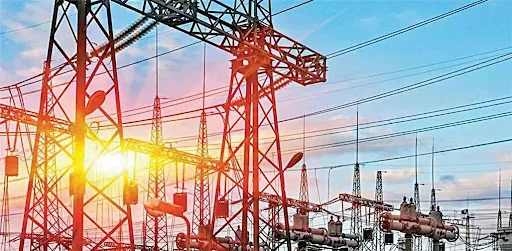
Power outages are a common problem for many businesses in Uganda. Shops, restaurants, small supermarkets, and offices often lose electricity for several hours. When this happens, business operations stop, refrigerators stop working, and customers leave.
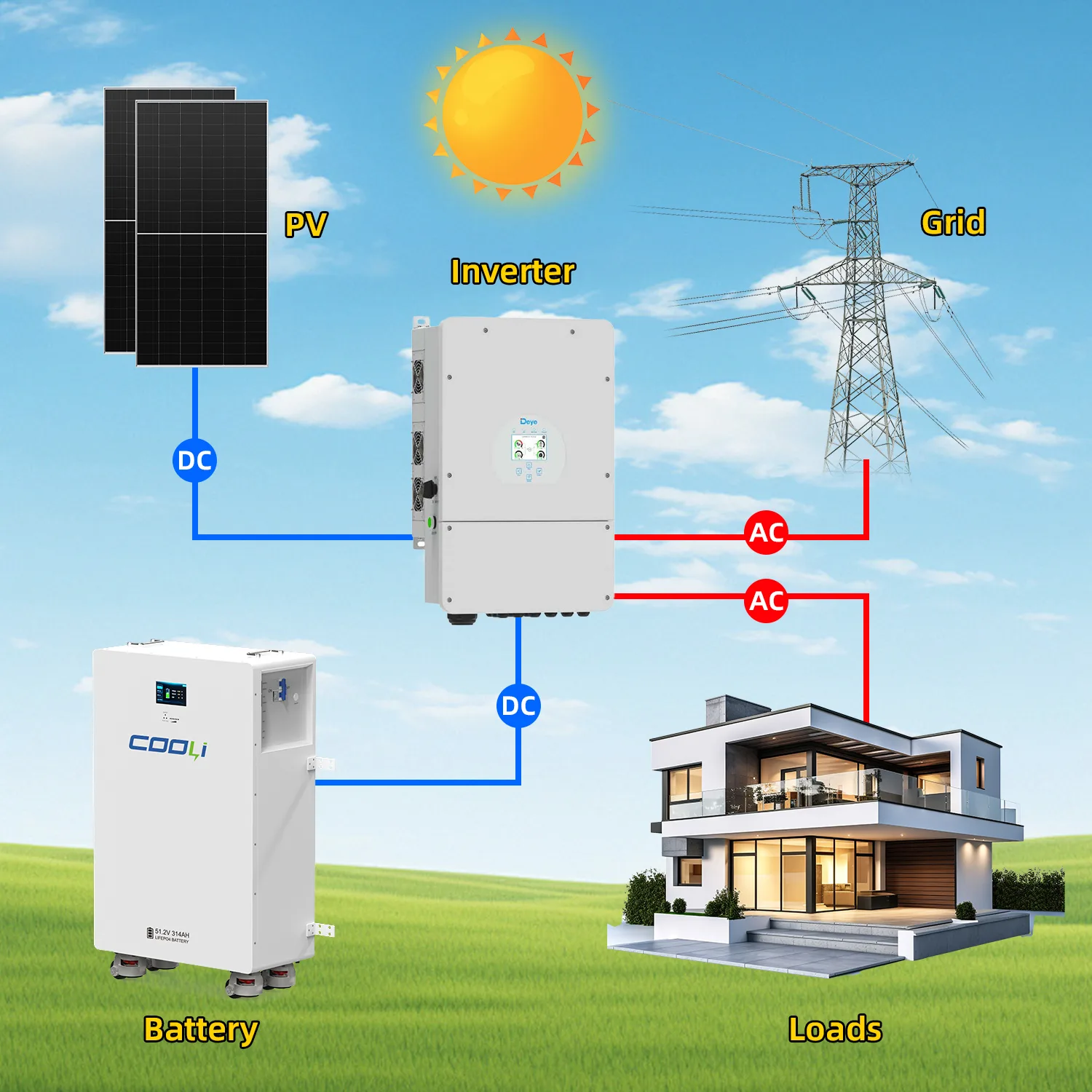
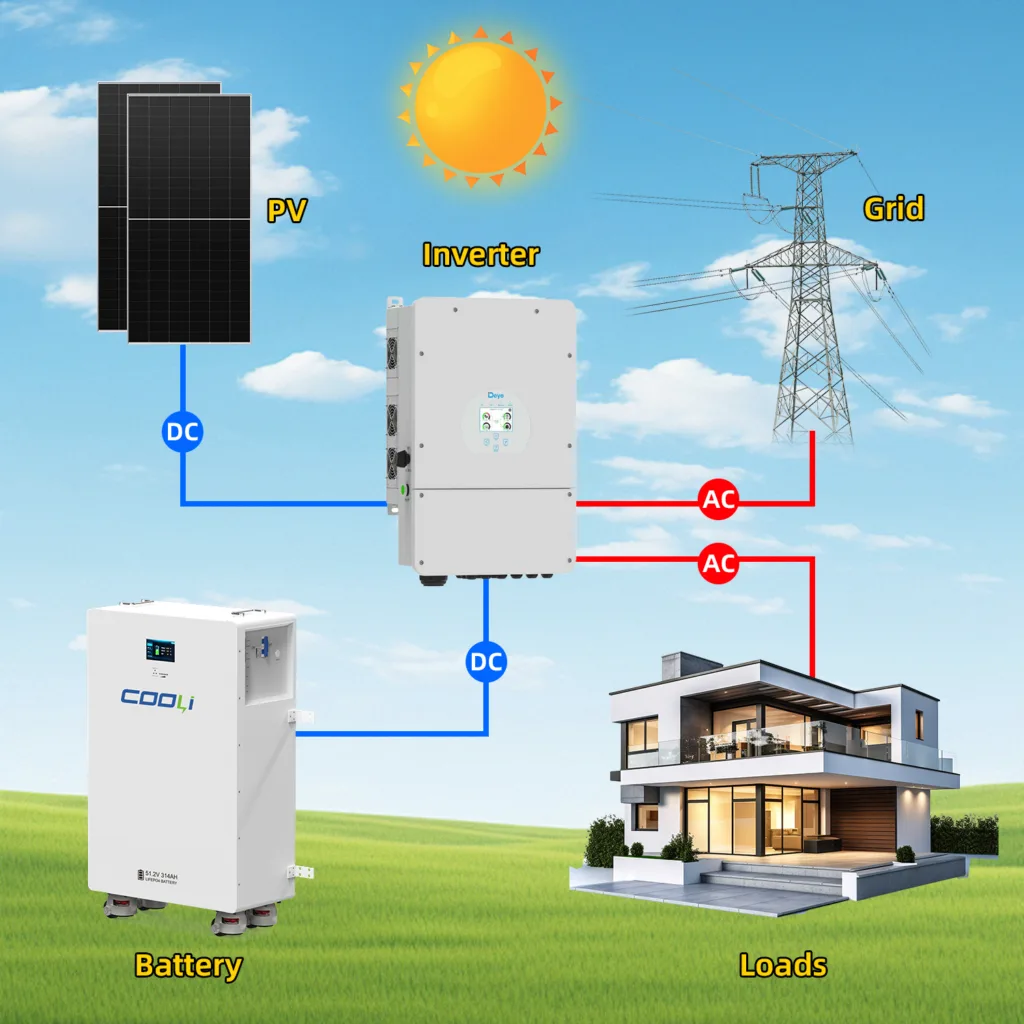
Because of this situation, many business owners are searching online for solar backup power Uganda solutions. Solar battery systems allow businesses to store energy and use it when the grid fails. Compared with generators, solar backup systems are quieter, cleaner, and much cheaper to operate in the long term.
Why Businesses Suffer from Power Cuts
Power interruptions affect small businesses in several ways.
First, outages cause direct revenue loss. A retail shop cannot process payments without electricity, and a restaurant cannot keep food refrigerated.
Second, generators increase operating costs. Fuel prices in Uganda continue to rise, and generators require regular maintenance.
Third, unstable grid power can damage electrical equipment such as freezers, POS machines, and computers.
Because of these problems, installing a solar backup power Uganda system is becoming a smart investment for many businesses.
Recommended Battery Capacity for Small Businesses
Choosing the correct battery capacity is important for reliable backup power.
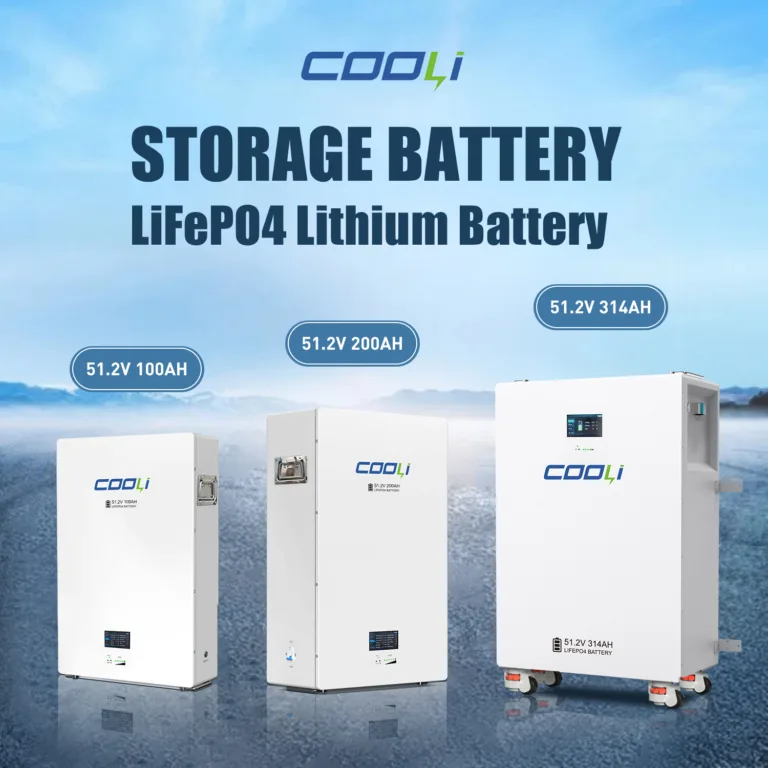
5kWh Solar Battery System
A 5kWh lithium battery is suitable for small shops, offices, and phone charging businesses. It can power lights, routers, laptops, and POS machines for several hours.
10kWh Solar Battery System
A 10kWh system is ideal for restaurants, salons, and small supermarkets. It can support refrigerators, TVs, lighting, and other essential appliances.
Most modern systems use LiFePO4 lithium batteries, which can last more than 6000 cycles and require very little maintenance.
Solar Backup Power vs Generator Cost
Many businesses still rely on generators during outages. However, generators consume fuel every hour and require frequent maintenance.
A typical small generator may use 1–1.5 liters of fuel per hour, which quickly increases monthly expenses.
A solar backup power Uganda system requires a higher initial investment but almost no operating cost afterward. Over time, solar systems can save a significant amount of money for small businesses.
Highpow Solar Storage Solutions
When choosing solar equipment, it is important to work with a reliable supplier.
Highpow is a Chinese home energy storage manufacturer with 15 years of experience in solar battery and inverter production. The company specializes in lithium battery storage systems designed for residential and small commercial applications.
Highpow products are known for competitive pricing compared with many well-known global brands, while still maintaining high quality.
To better serve the African market, Highpow has established an overseas warehouse and office in Kinshasa. Customers and distributors can inspect products directly, test the systems on-site, and complete purchases after verification. This local support improves trust and ensures faster delivery.
ROI for Shops and Restaurants
Solar backup systems provide clear financial benefits for small businesses.
Businesses that previously spent hundreds of dollars per month on generator fuel can significantly reduce their energy costs.
In many cases, the investment in a solar battery system can be recovered within two to three years.
More importantly, businesses with solar backup can continue operating during power outages, while competitors must close temporarily.
Conclusion
Frequent electricity outages remain a challenge for many businesses in Uganda. Installing a solar backup power Uganda system is an effective way to maintain operations, reduce fuel costs, and protect equipment.
With reliable lithium batteries, efficient hybrid inverters, and experienced manufacturers like Highpow, small businesses can achieve stable and affordable energy for the long term.es.