1 01

Discover the Power of Energy Storage Systems: 5 Key Benefits You Need to Know

储能系统是可持续能源系统的支柱. 当可再生能源无法使用时,它们可以提供电力供应的缓冲.

Energy storage systems can be used to store energy from renewables,类似于太阳能和风能, or from other sources similar as nuclear and coal- fired shops. 它们还可以用于存储多余的能量以供高峰时期使用.

确保电网安全稳定, 它需要符合需求的可接受的仓库容量. 电池储能系统容量以兆瓦为单位- 小时( 兆瓦时).

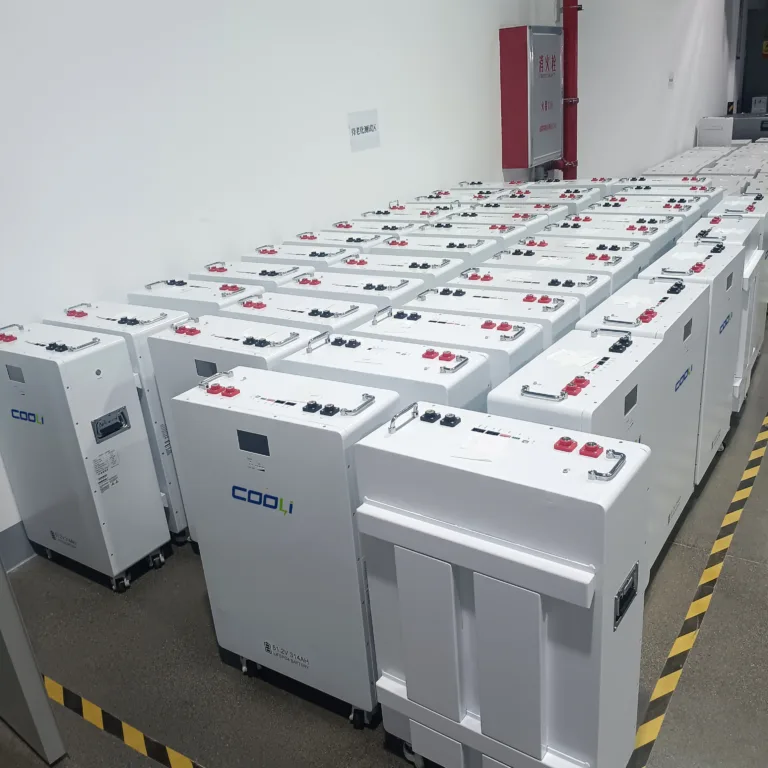
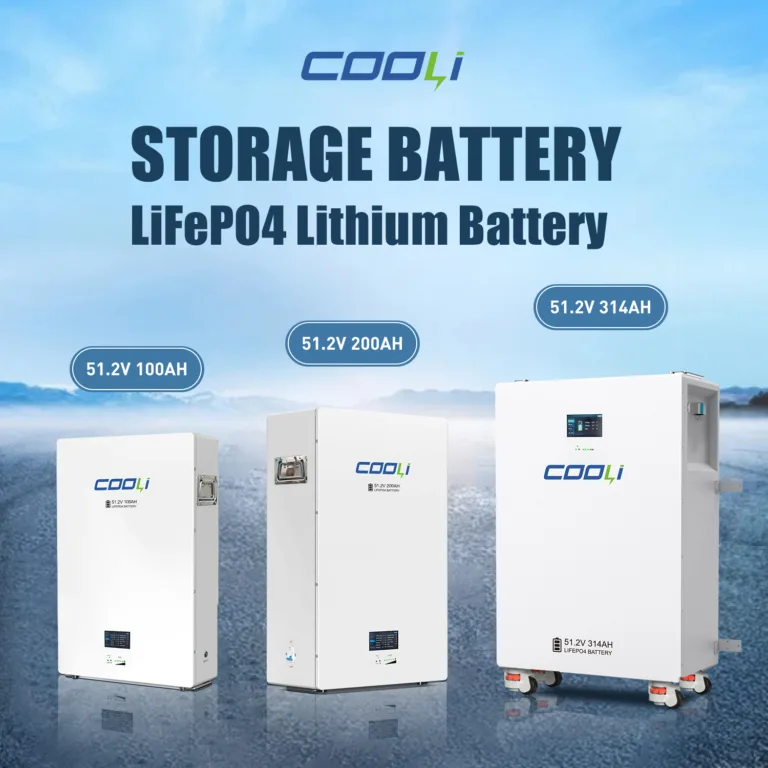
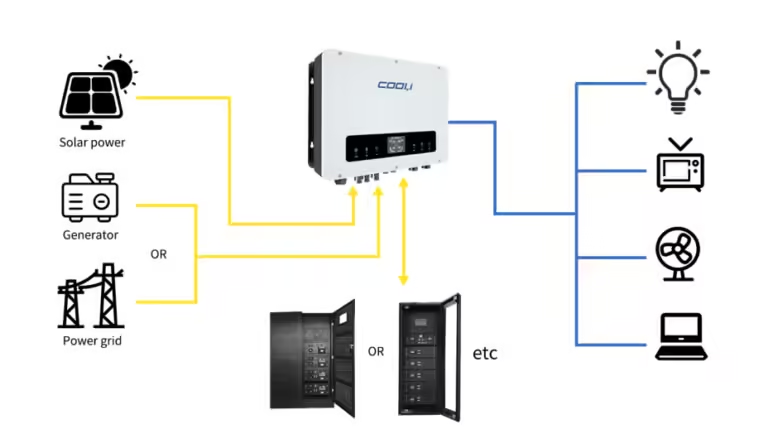
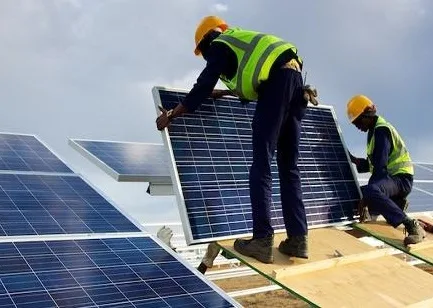
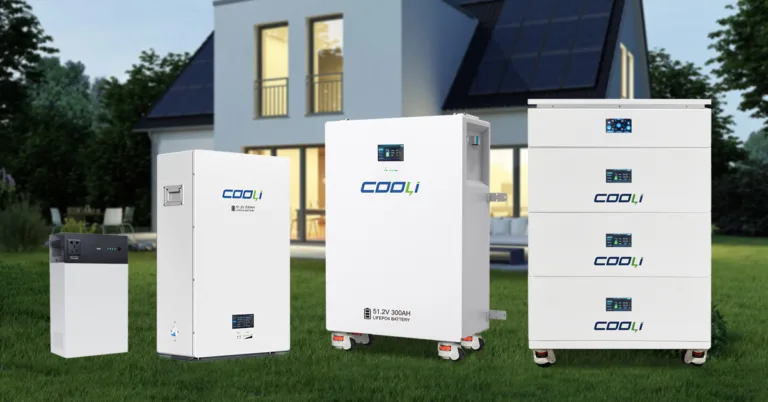
系统一般容量为10kw- 100千瓦, 它可以应用于太阳能电池板, 山地通信基站, 通信基站储能, 临时权力, 家庭储能 人工储能等.

Energy storage systems
查看更多: 跟着我们 Facebook

🔋 Energy Storage Systems (ESS): A Comprehensive Overview

储能系统 (ESS) are technologies designed to capture energy produced at one time for use at a later time, addressing mismatches between energy supply and demand. They play a critical role in modern energy management, serving as the backbone of sustainable energy systems by providing a crucial buffer to supply electricity when renewable power sources like solar and wind are unavailable. ESS enable the integration of diverse energy sources—including renewables, nuclear, and even fossil fuel plants (例如, coal-fired facilities)—while storing excess energy for use during peak demand periods.储能系统 (ESS) are revolutionizing energy management, ensuring efficient energy use and grid stability. Let’s explore how they work and their significance!

⚡ Key Energy Storage Technologies

🔋 Batteries

  • Types: Lithium-ion, lead-acid, sodium-sulfur, 和solid-state batteries .
  • Used in: Consumer electronics, electric vehicles (电动汽车), and grid storage.
  • Innovation: Solid-state batteries offer enhanced safety and energy density.

⚙️ Mechanical Storage

  • Pumped Hydro: Uses gravity to generate electricity by moving water between elevations.
  • Flywheels: Store kinetic energy with high-speed rotors for quick energy bursts.
  • Compressed Air (CAES): Stores compressed air underground for turbine power.

🚀 Why ESS Matters

  • Grid Stability: Prevents blackouts and regulates frequency fluctuations.
  • Renewable Energy: Stores excess solar and wind power for later use.
  • EV Power: Drives electric vehicles and hybrid systems.
  • Off-Grid Solutions: Provides energy access in remote locations.

🚧 Challenges in Energy Storage

  • High Costs: Advanced battery and hydrogen storage systems require investment.
  • Energy Loss: Efficiency losses in storage and conversion processes.
  • Environmental Impact: Issues related to material extraction and recycling.
  • Safety Concerns: Risks like battery thermal runaway or hydrogen explosion.

🌍 The Future of ESS

  • Flow Batteries: Scalable liquid electrolyte storage for long-duration energy.
  • Gravity Storage: Uses heavy mass lifting for power retention and release.
  • Advanced Thermal Systems: Innovations in phase-change materials for better efficiency.

Fromlithium batterieshydrogen storage, From lithium batteries to hydrogen storage, 总之, ESS are versatile, scalable, and indispensable for building adaptive energy ecosystems—from powering remote base stations to stabilizing national grids.ESS is shaping a sustainable energy future! As technology advances, we move closer to reliable, green energy solutions. ESS is shaping a sustainable energy future! As technology advances, we move closer to reliable, green energy solutions. 🌱⚡

类似文章

一条评论

发表回复

您的邮箱地址不会被公开。 必填项已用 * 标注