How to Assess Your Electricity Needs and Choose the Right Battery Backup
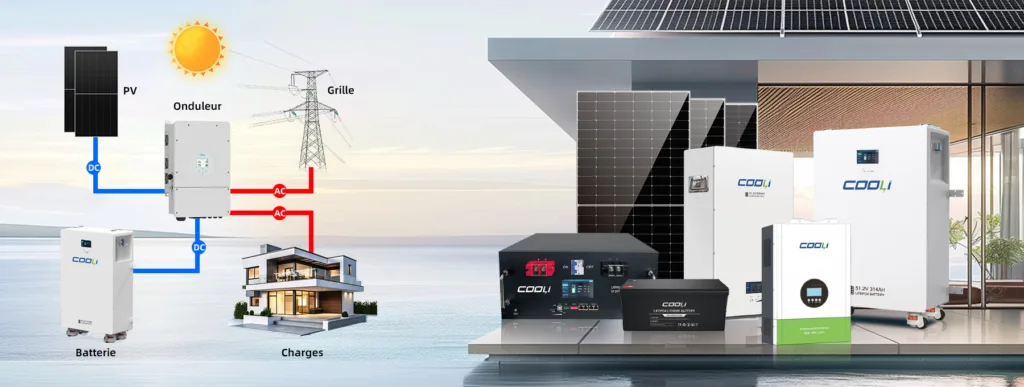
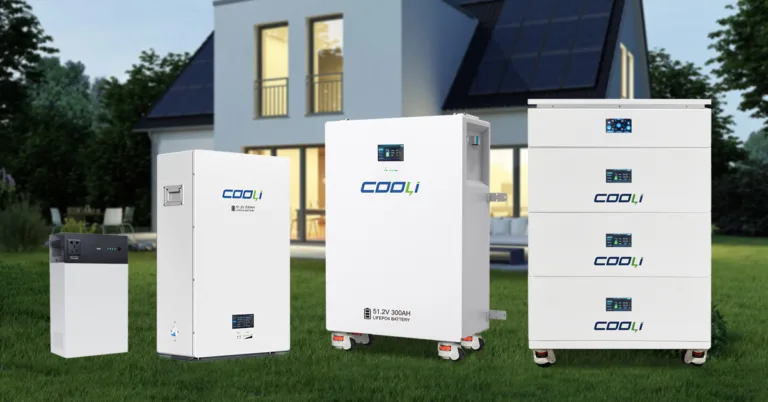
Power outages can be disruptive. A home battery storage system (like a Powerwall, Generac PWRcell, or other solar batteries) can provide peace of mind and keep your essential appliances running. The key to choosing the right system is a clear understanding of your specific needs.
This guide will walk you through two critical steps:
- Calculating Your Essential Power Load.
- Selecting the Perfect Battery for Your Situation.

Step 1: Calculate Your Essential Power Load
The goal is not to power your entire home as normal, but to sustain yourcritical loads during an outage. This typically includes lighting, communication devices, 冷藏, and comfort appliances like fans.
A. List Your Essential Appliances
Create a table for the appliances you cannot live without during a blackout. Here is a common example:
| Appliance Category | Specific Appliance | Power Rating (Watts, 瓦) | Estimated Daily Usage (Hours) | Daily Energy (Watt-hours, 瓦时) |
|---|---|---|---|---|
| Lighting | LED Bulbs (x5) | 10 W each (50 W total) | 5 小时 | 250 瓦时 |
| 沟通 | Laptop | 60 瓦 | 4 小时 | 240 瓦时 |
| Smartphone Charger | 10 瓦 | 2 小时 | 20 瓦时 | |
| Wi-Fi Router | 15 瓦 | 12 小时 | 180 瓦时 | |
| Food Storage | Refrigerator (现代的) | 150 瓦 (cycling on/off) | 4 小时 (estimated run time) | 600 瓦时 |
| Comfort | Ceiling Fan | 70 瓦 | 8 小时 | 560 瓦时 |
| TOTALS | 355 瓦 (Running Total) | 1,850 瓦时 |
How to Find Power Ratings:
- Check the label on the appliance itself (often on the back or bottom).
- Look for the “瓦” or “Watts” specification.
- Use a watt-meter (a cheap device you plug between the appliance and the wall) for the most accurate reading, especially for devices like refrigerators that cycle on and off.
B. Understand Key Terms: Watts vs. Watt-Hours
- Watts (瓦): This is the instantaneous power an appliance draws when it’s on. This determines if your battery’s inverter can handle the load.
- Watt-Hours (瓦时): This is the total energy consumed over time. This determines how long your battery will last.
Crucial Consideration: Startup Surge (峰值功率)
Many appliances, especially those with motors (like refrigerators, pumps, and fans), require a brief surge of power—often 2 到 3 times their running wattage—to start up. Your battery system must be able to handle this surge.
- *Example: Your 150W refrigerator might have a startup surge of 400-500W.*
C. Calculate Your Totals
From the table above:
- Total Running Watts: ~355 W. You need an inverter that can handle at least this much continuous power.
- Accounting for Surge: You need an inverter that can handle a surge of at least 500瓦 – 600瓦 (for the fridge + fan starting simultaneously).
- Total Daily Energy Consumption: 1,850 瓦时 or 1.85 千瓦时.
This is your baseline. A well-sized system should be able to cover this for at least one full day.
Step 2: How to Choose the Best Energy Storage Battery
Now that you know your power needs (~355W running, ~600W surge, and ~1.85 kWh per day), you can evaluate batteries based on the following criteria.
1. 电池容量 (千瓦时)
This is the “fuel tank” size—the total amount of energy stored.
- Your Need: You calculated ~1.85 kWh per day.
- What to Look For: Choose a battery with a 可用容量 larger than your daily need to account for inefficiencies and a safety margin. If you want backup for two days without sun, you’d need at least 3.7 千瓦时.
- Example: A Tesla Powerwall+ has ~13.5 kWh of usable capacity. A smaller system like a Bluetti AC200L portable power station has 2,048 瓦时 (2.04 千瓦时). Your needs could be met by a smaller system, but a larger one offers more flexibility.
2. 连续的 & 浪涌功率 (千瓦)
This is the “engine” size—how much power the battery can deliver at once.
- Continuous Power: The steady power it can supply. Your running load is ~0.355 kW. Most home batteries start at 5 千瓦, which is more than enough for your basics.
- Surge/Peak Power: The short-term power for starting motors. Your estimated need is ~0.6 kW. Again, most systems handle surges of 7 kW or more.
- Key Takeaway: For basic needs, the power output of even small systems is usually sufficient. The capacity (千瓦时) is the more critical limiting factor.
3. 电池化学
This determines the lifespan, 安全, and performance.
- 磷酸铁锂 (LFP or LiFePO4): Highly recommended. This is the new gold standard for home storage. It is safer (more stable chemistry), has a much longer cycle life (6,000+ 周期), and performs well in various temperatures. It’s becoming the default for most new home battery systems.
- 镍锰钴 (国家管理委员会): The older standard. It has a higher energy density (more capacity in a smaller space) but a shorter lifespan and greater fire risk than LFP.
4. 放电深度 (国防部) & 循环寿命
- 国防部: The percentage of the battery you can use. A 10 kWh battery with a 90% DoD means you can use 9 千瓦时. Look for batteries with a DoD of 90% or higher.
- 循环寿命: The number of charge/discharge cycles a battery can complete before its capacity significantly degrades. A higher number is better. LFP batteries excel here.
5. Integration: All-in-One System vs. Portable Power Station
- All-in-One System (例如, 特斯拉, Generac, Enphase):
- Pros: Permanently installed, powers hardwired circuits in your home, can be integrated with solar, often has backup capability, higher capacity and power.
- Cons: 前期成本较高, requires professional installation.
- Best for: Whole-home or significant partial-home backup, long-term investment, pairing with solar.
- Portable Power Station (例如, EcoFlow, Jackery, Bluetti):
- Pros: Affordable, portable, no installation required, plug-and-play.
- Cons: Limited capacity and power, only powers what you can plug into it, not suitable for hardwired appliances like a central AC unit.
- Best for: Your described scenario. Perfect for powering lights, fans, laptops, and phone chargers during an outage. A mid-sized model (2-3 千瓦时) would be an excellent, cost-effective solution.
Summary & Recommendation
Based on your calculated need of~1.85 kWh per day for basic appliances:
- A high-capacity Portable Power Station (2-3 千瓦时) is likely the most cost-effective and simplest solution. Look for one with an LFP battery, a pure sine wave inverter, and enough AC outlets for your devices.
- If you want to power hardwired circuits (like specific kitchen or bedroom outlets) or plan to add solar in the future, consult an installer about a small, modular home battery system (like those from Enphase or FranklinWH).
Final Checklist When Buying:
- Usable Capacity (千瓦时) > Your Daily Energy Need
- Continuous Power (千瓦) > Your Total Running Watts
- 浪涌功率 (千瓦) > Your Largest Appliance Startup Surge
- 电池化学: Prefer 磷酸铁锂 (磷酸铁锂)
- 放电深度: 90% or higher is ideal.
- Decision: Portable Station (for plug-in essentials) 与. Whole-Home System (for integrated, long-term backup).
By following this process, you can move from a vague idea of “needing backup power” to a precise, data-driven purchase that perfectly fits your lifestyle and budget.