Home Battery Energy Storage: 5 Must-Know Tips to Buy Safely & Avoid Costly Mistakes!
Your Essential Guide to Home Battery Energy Storage
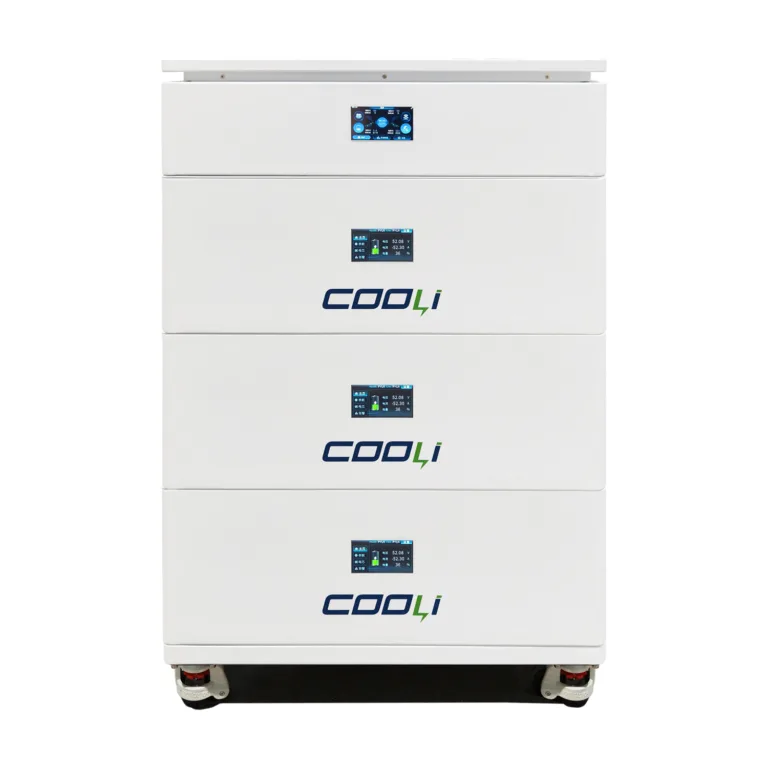
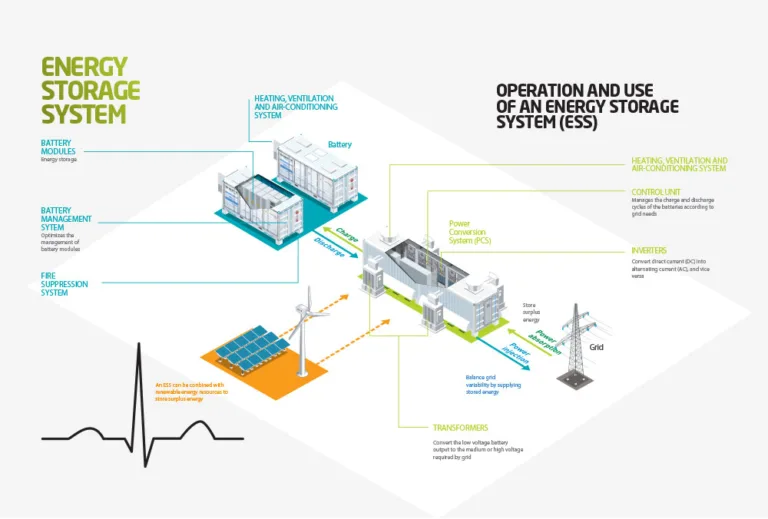
As energy costs rise and environmental awareness grows, more homeowners are turning to solar power paired with battery storage. This system allows you to store excess solar energy for use at night or during outages, increasing energy independence. However, selecting the right battery can be complex. This guide will help you navigate the key considerations, avoid pitfalls, and ensure safe, long-lasting performance.
1. Home Battery Energy Storage: Understanding Your Options
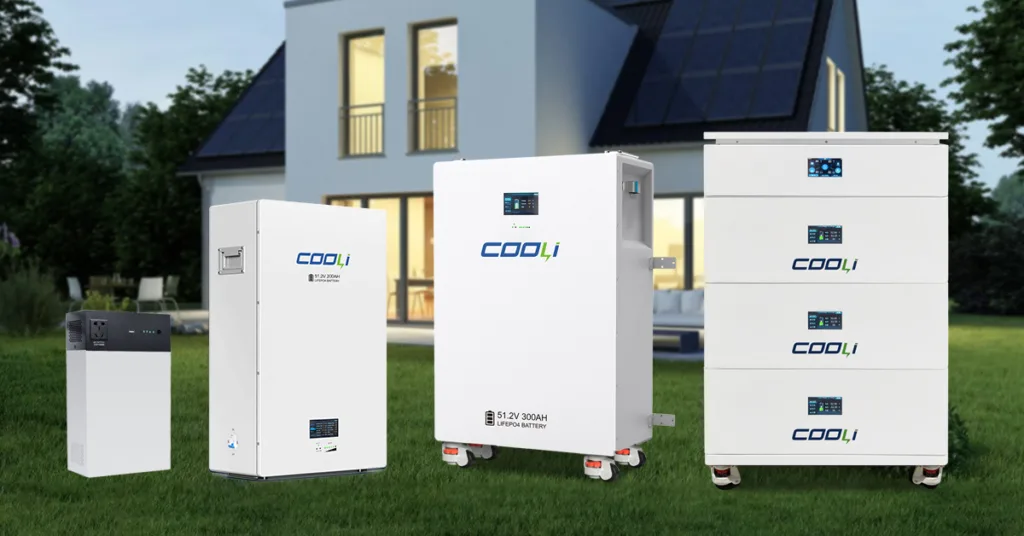
Home energy storage batteries are not one-size-fits-all. Your choice depends on your energy goals, budget, and existing solar setup.
- Battery Chemistry: The most common types are:
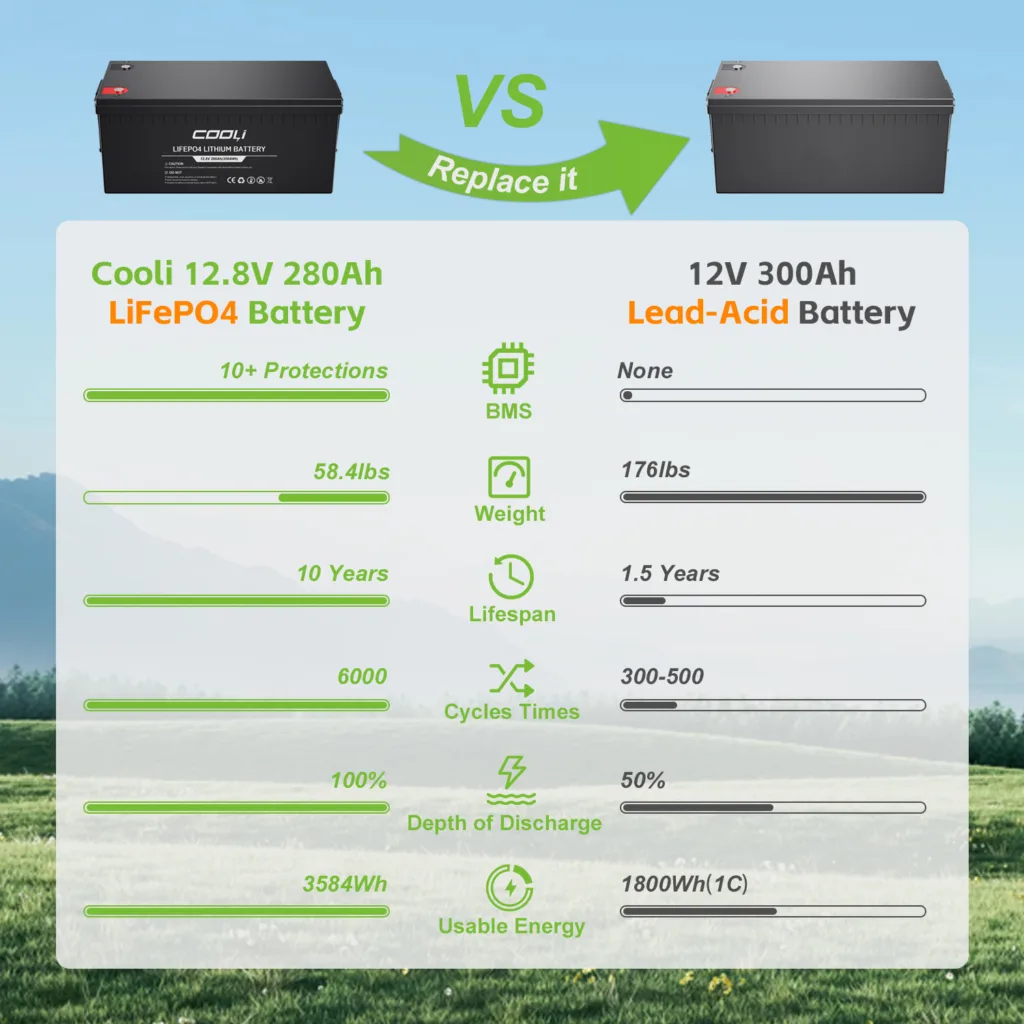
- Lithium-ion (Li-ion): The dominant choice, known for high efficiency, long lifespan (10-15 years), and compact size. Variants like Lithium Iron Phosphate (LFP) are increasingly popular due to superior thermal stability and longer cycle life.
- Lead-Acid: A lower upfront cost option but with a shorter lifespan (3-7 years), lower efficiency, and requires more maintenance. Often used for off-grid systems.
- Key Specifications to Compare:
- Capacity (kWh): The total amount of energy the battery can store. Assess your daily energy usage to determine the size you need.
- Power Rating (kW): The amount of power the battery can deliver at once. A higher rating is needed to run multiple large appliances simultaneously.
- Depth of Discharge (DoD): The percentage of the battery’s capacity that can be safely used. Most Li-ion batteries allow a DoD of 90-100%, maximizing usable energy.
- Round-Trip Efficiency: The percentage of energy put into the battery that you can later use. Look for efficiencies above 90%.
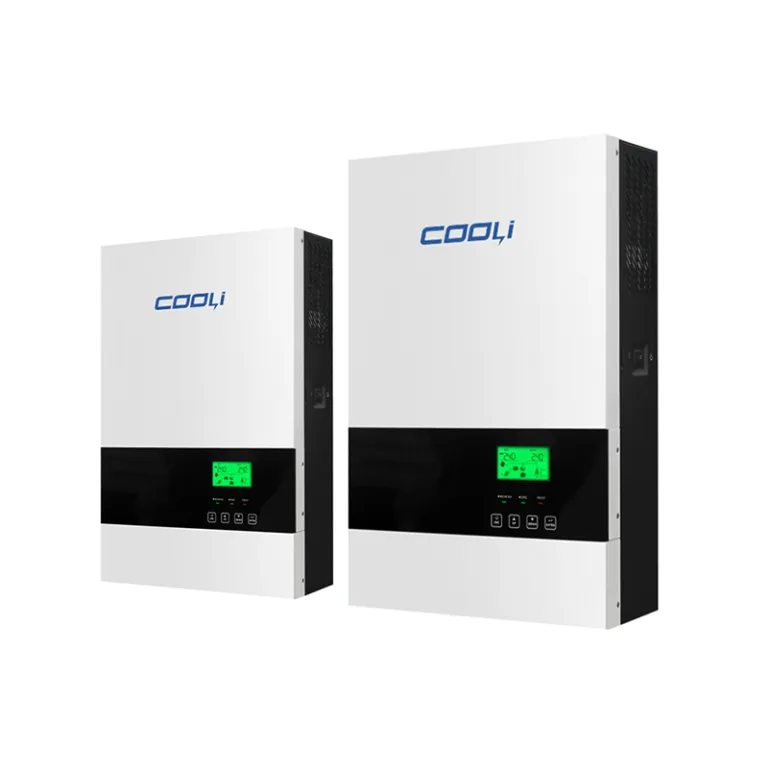
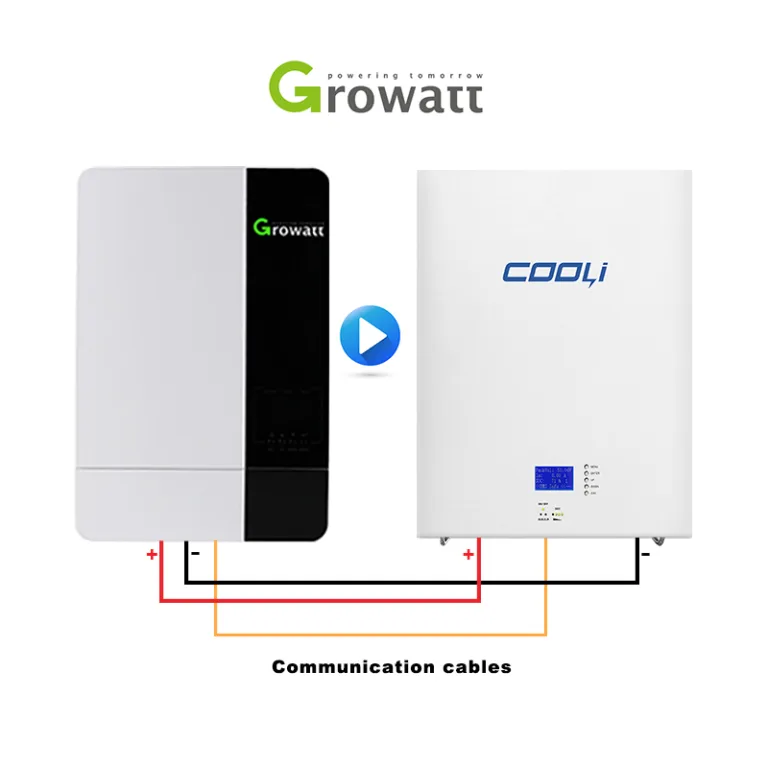
- Integration: Ensure the battery is compatible with your existing or planned solar inverter (AC-coupled or DC-coupled).
2. How to Avoid Buying Fake or Low-Quality Solar Batteries
The market’s growth has attracted substandard products. Protect your investment with these steps:
- Buy from Reputable Sources: Purchase from certified, established installers or directly from well-known manufacturers (e.g., Tesla, LG, Sonnen, BYD, Generac). Be wary of deals that seem too good to be true.
- Verify Certifications: Legitimate batteries will have essential safety and performance certifications from recognized bodies like UL (UL 9540 and UL 9540A are critical for fire safety), IEC, or CE. Ask for documentation.
- Check Warranty Details: A robust warranty is a sign of manufacturer confidence. Look for a clear warranty period (e.g., 10 years) that guarantees both a certain number of cycles and/or retained capacity (e.g., 70% capacity after 10 years).
- Research the Brand: Read independent reviews, check the company’s history, and look for case studies. Avoid brands with no online presence or consistent negative feedback about premature failure.
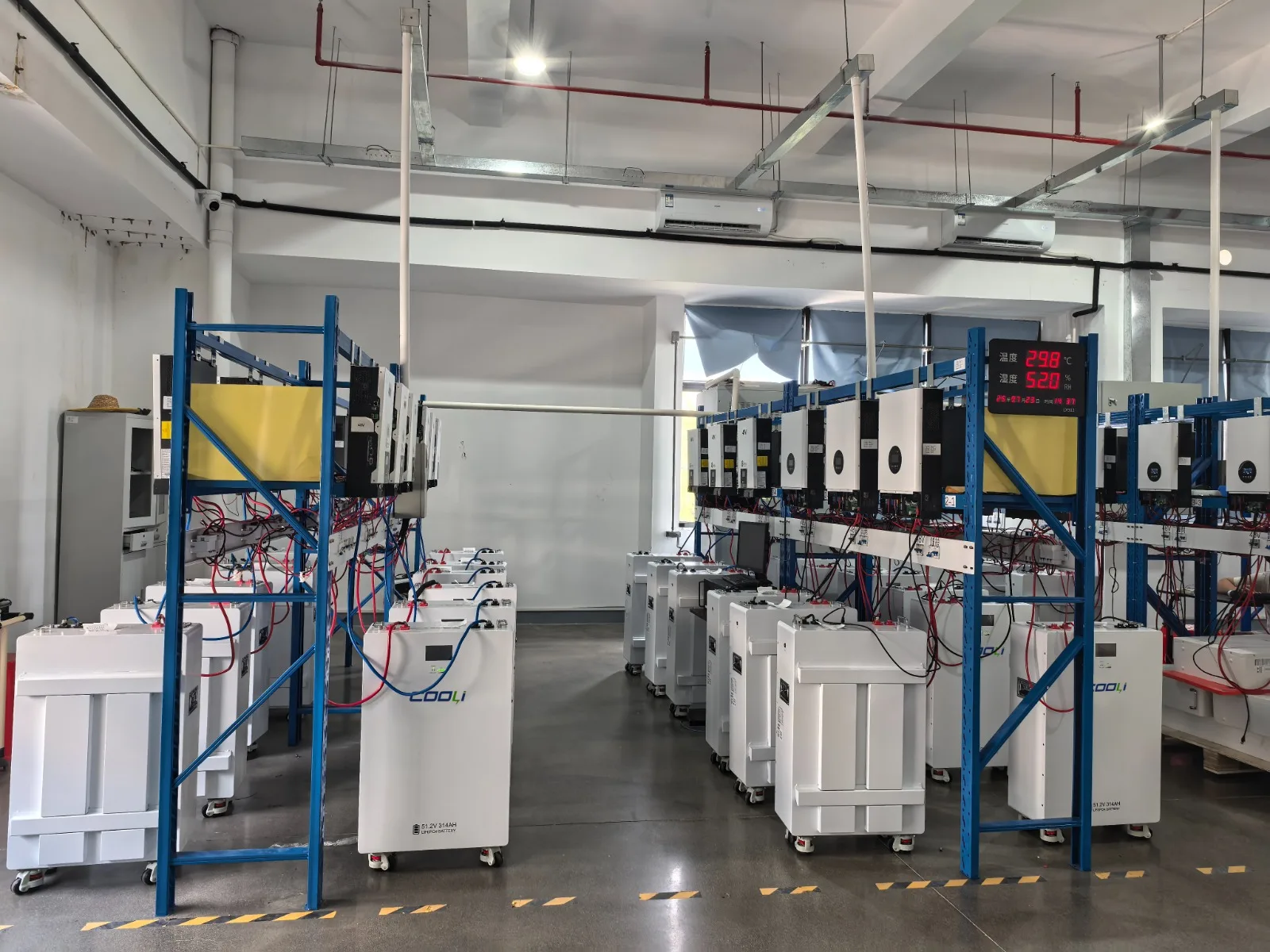
- Physical Inspection: If possible, check the build quality. Poor casing, spelling errors on labels, or flimsy components are red flags.
3. Safety Tips for Installing and Using Energy Storage Batteries at Home
Safety is paramount. Batteries contain stored chemical energy and must be handled correctly.
- Professional Installation Only: Always use a licensed and experienced installer. They understand local codes, proper wiring, and optimal placement for ventilation and safety.
- Proper Location: Install batteries in a cool, dry, well-ventilated area, typically in a garage, utility room, or outdoors in an approved enclosure. Avoid living spaces and direct sunlight. Follow all manufacturer clearance guidelines.
- Protection from Elements: Ensure the location is protected from flooding, extreme temperatures, and direct exposure to weather if installed outdoors.
- Use a Dedicated Circuit: The battery system should be on its own dedicated electrical circuit as per the installer’s specifications.
- Monitoring: Use the system’s monitoring app to track performance, state of charge, and temperature regularly. Unusual fluctuations can be an early warning sign.
- Follow Manufacturer Guidelines: Adhere strictly to operational guidelines. Do not attempt to modify, open, or repair the battery unit yourself.
4. Signs Your Solar Battery is Failing and What to Do
Even quality batteries degrade over time. Recognize these warning signs:
- Significant Drop in Capacity: You’re getting noticeably less stored energy than before, running out of power much faster.
- Reduced Efficiency: Your system’s round-trip efficiency plummets; more solar energy is being lost in the storage process.
- Frequent or Incomplete Charging: The battery struggles to reach full charge, cuts off charging early, or discharges abnormally quickly.
- Physical Symptoms: Swelling, cracking, leaking, or unusual odors (especially a sulfuric or “rotten egg” smell) are critical red flags.
- Excessive Heat: The battery casing becomes very hot to the touch during normal operation.
- Error Messages or Communication Failures: Persistent alerts on the inverter or monitoring app indicate internal faults.
What to Do if You Suspect Failure:
- Do Not Ignore It, especially physical symptoms or overheating.
- Consult Your Monitoring Data: Review the performance history to document the issue.
- Contact Your Installer/Manufacturer Immediately: Describe the symptoms. The system may need professional diagnostics.
- For Serious Hazards (Smell, Smoke, Heat, Swelling):
- If safe to do so, use your system’s emergency shutdown procedure.
- Turn off the battery system at its disconnect switch.
- Evacuate the area and call emergency services if there is any risk of fire.
Conclusion
Investing in a home energy storage battery is a significant decision that promises greater control over your energy use. By carefully evaluating your needs, purchasing from trustworthy sources, prioritizing professional installation and safety, and monitoring your system’s health, you can ensure a reliable and valuable addition to your home for years to come.