300Ah LiFePO4 Baterya: Nasasagot ang Mga Pangunahing Tanong
Ang300Ah LiFePO4 na baterya ay nakakuha ng katanyagan sa renewable energy systems, Mga RV, mga aplikasyon sa dagat, at mga off-grid setup dahil sa mataas na kapasidad nito, kaligtasan, at mahabang buhay. Gayunpaman, ang mga gumagamit ay madalas na may mga katanungan tungkol sa pagganap nito, mga limitasyon, at teknikal na mga pagtutukoy. Tinutugunan ng artikulong ito ang mga pinakakaraniwang query, pagbibigay ng komprehensibong gabay para sa mga potensyal na mamimili at mahilig.
1. Ano ang Mga Disadvantage ng LiFePO4 Baterya?
Habang ang LiFePO4 (Lithium Iron Phosphate) ang mga baterya ay kilala sa kaligtasan at tibay, mayroon silang ilang mga limitasyon:
- Mababang Densidad ng Enerhiya: Kumpara sa iba pang lithium-ion chemistries (hal., NMC o LCO), Ang LiFePO4 ay nag-iimbak ng mas kaunting enerhiya sa bawat yunit ng timbang o volume, ginagawa silang mas marami para sa mga application na may mataas na enerhiya tulad ng mga smartphone o EV.
- Mas Mataas na Paunang Gastos: Bagama't cost-effective sa paglipas ng panahon dahil sa mahabang buhay, Ang mga paunang presyo ay 2–3x na mas mataas kaysa sa mga lead-acid na baterya.
- Pagkasensitibo sa Temperatura: Bumababa ang performance sa sobrang lamig (mas mababa sa -20°C) o init (higit sa 60°C). Habang pinahihintulutan nila ang mas malawak na saklaw kaysa sa lead-acid, ang matagal na pagkakalantad sa mataas na temperatura ay nagpapababa ng kapasidad.
- Mas Mabagal na Pag-charge: Karaniwang mas mabagal ang pagsingil ng LiFePO4 kaysa sa iba pang mga variant ng lithium, nangangailangan ng mga espesyal na charger upang maiwasan ang pinsala.
Sa kabila ng mga pagkukulang na ito, kanilangkaligtasan (hindi nasusunog kahit nasa ilalim ng stress) atikot ng buhay (2,000–5,000+ cycle) gawin silang perpekto para sa solar storage, Mga RV, at backup na kapangyarihan.
2. Gaano Katagal Tatagal ang 300Ah LiFePO4 na Baterya?
Ang runtime ng isang 300Ah na baterya ay nakasalalay sa:
- Mag-load ng Power: Para sa isang 500W na appliance, runtime = Enerhiya ng Baterya(kWh)/Mag-load ng Power(kW)
- Lalim ng Paglabas (DoD): Ang mga baterya ng LiFePO4 ay maaaring ligtas na ma-discharge sa 80–90% DoD nang walang makabuluhang pagkasira.
Halimbawa:
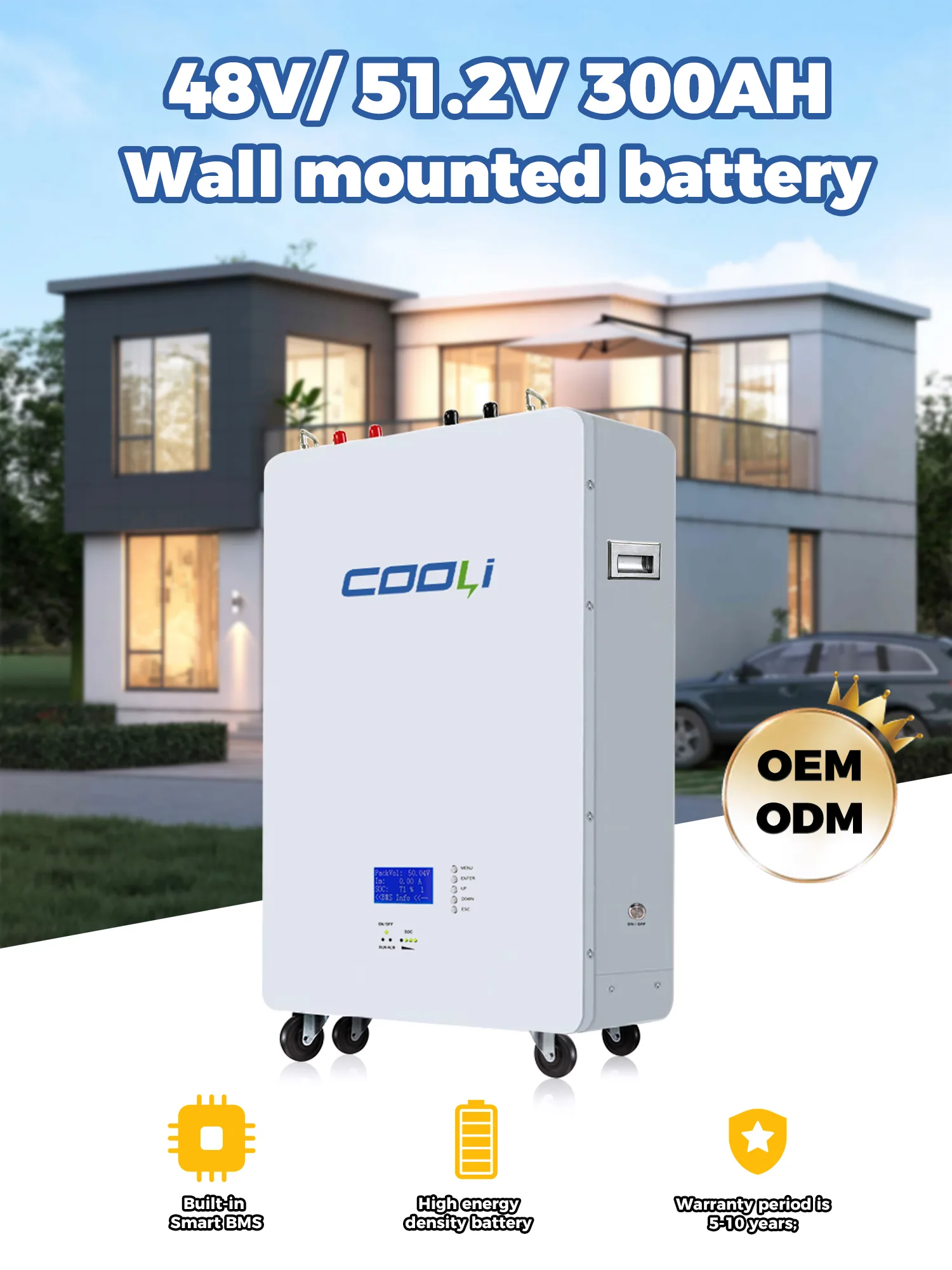
Ang isang 48V 300Ah LiFePO4 na baterya ay nag-iimbak14.4 kWh (48V × 300Ah). Sa 80% DoD (11.5 kWh magagamit), ang pagpapagana ng 1kW load ay tatagal ng ~11.5 na oras. Para sa 300W RV refrigerator, ang runtime ay umaabot sa ~38 oras.
3. Ilang kWh ang isang 48V 300Ah na Baterya?
A48V 300Ah LiFePO4 na baterya naghahatid:
48V×300Ah=14,400Wh=14.4 kWh
Ang kapasidad na ito ay nababagay sa malalaking aplikasyon tulad ng mga solar storage system o mga de-kuryenteng sasakyan. Para sa paghahambing:
- Nagbibigay ang isang 12V 300Ah na baterya3.84 kWh (12V × 300Ah).
- Mas mataas na boltahe (hal., 51.2V) pinapabuti ng mga configuration ang kahusayan sa mga pang-industriyang setup.
4. 25.6Sa vs. 51.2V: Ano ang Pagkakaiba?
Ang mga baterya ng LiFePO4 ay modular, na nagpapahintulot sa mga serye na koneksyon na makamit ang mas mataas na boltahe:
- 25.6V: Karaniwang isang 8-cell na configuration (8 × 3.2V bawat cell), ginagamit sa mga mid-sized na system tulad ng mga golf cart o maliliit na solar setup.
- 51.2V: Isang 16-cell na setup, perpekto para sa mga high-power na application tulad ng mga server rack o komersyal na imbakan ng enerhiya.
Pangunahing Pagsasaalang-alang: Ang mas mataas na boltahe ay binabawasan ang kasalukuyang, pagliit ng pagkawala ng enerhiya sa mga kable at pagpapabuti ng kahusayan para sa malalaking instalasyon.

5. Ang LiFePO4 ba ay Mas Mabuti Kaysa sa Iba Pang Lithium Baterya?
Napakahusay ng LiFePO4kaligtasan atmahabang buhay ngunit lags sa density ng enerhiya kumpara sa lithium-ion (Li-ion) mga variant:
| Tampok | LiFePO4 | Tradisyonal na Li-ion |
|---|---|---|
| Kaligtasan | Hindi nasusunog, matatag | Panganib ng thermal runaway |
| Ikot ng Buhay | 2,000–5,000+ cycle | 500–1,000 cycle |
| Densidad ng Enerhiya | 90–120 Wh/kg | 150–200 Wh/kg |
| Gastos | Mas mataas sa harapan | Ibaba sa unahan |
Pinakamahusay Para sa:
- LiFePO4: Imbakan ng solar, Mga RV, dagat, backup na kapangyarihan.
- Li-ion: Consumer electronics, Mga EV na nangangailangan ng compact size.
6. Mga Pangunahing Pagsasaalang-alang para sa 300Ah LiFePO4 Baterya
- BMS (Sistema ng Pamamahala ng Baterya): Tinitiyak ang proteksyon laban sa sobrang singil, over-discharge, at mga short circuit.
- Pagkakatugma: Gumamit ng mga charger na tukoy sa LiFePO4 (hal., 14.6V para sa 12V system) upang maiwasan ang pinsala.
- Imbakan: Mag-imbak sa 50–80% na singil sa malamig, tuyong kondisyon upang pahabain ang habang-buhay.
Konklusyon
Ang300Ah LiFePO4 na baterya ay isang matatag na pagpipilian para sa mataas na kapasidad, pangmatagalang pangangailangan ng enerhiya, pagbabalanse ng kaligtasan, at pagiging maaasahan. Habang mayroon itong mga limitasyon tulad ng mas mababang density ng enerhiya at mas mataas na mga paunang gastos, ang mga bentahe nito sa cycle life at thermal stability ay ginagawa itong nangungunang contender para sa renewable energy at off-grid applications.
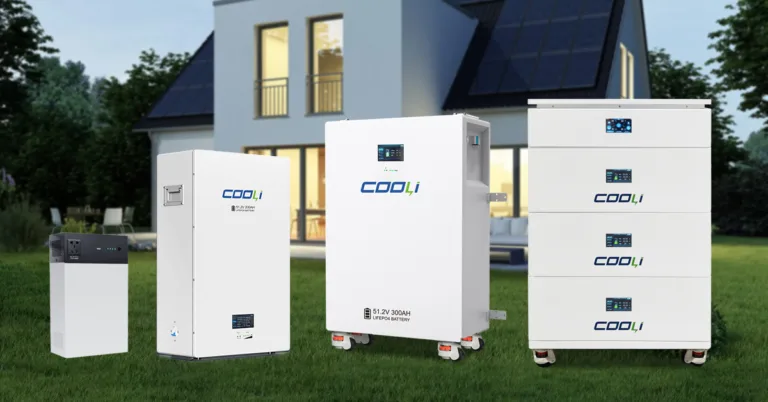
Para sa mga pinasadyang solusyon, galugarin ang mga produkto tulad ngLifepo4 Baterya 300ah o modular 48V server-rack na mga baterya. Palaging i-verify ang mga detalye sa mga manufacturer para tumugma sa mga kinakailangan ng iyong system.
10kWh LiFePO4 Baterya 10kWh Solar Battery Gastos sa Myanmar 25Mga Sistema ng Baterya ng kWh All-in-One BESS Container 4MWh Saudi BESS Manufacturer China Pinaka murang Baterya sa Bahay China BESS Solutions Bultuhang DDP ng Tsina China Factory LiFePO4 Baterya China Grid-Scale BESS Mga Supplier ng Chinese OEM Komersyal na Imbakan ng Baterya Kenya Mga Solusyon sa DC ESS DDP Solution Direkta sa DRC Direktang Tsina sa Africa Direktang China sa Africa Battery baterya ng imbakan ng enerhiya Sistema ng Imbakan ng Enerhiya Pandaigdigang Lithium Battery Leaders Grade A na Baterya Supplier ng Imbakan ng Baterya ng Grid-Scale Mga Baterya sa Bahay para sa Mga Pamilyang Dutch imbakan ng enerhiya sa bahay Pang-industriya BESS Kenya Lead-Acid vs. Mga Baterya ng Lithium-Ion LiFePO4 Mga baterya ng LiFePO4 Mga Baterya ng LiFePO4 sa South Africa LifePo4 na baterya LifePO4 Battery Technology Distributor ng LiFePO4 sa Iraq LiFePO4 ESS Kenya Lithium-Ion na Baterya baterya ng lithium ion Mas mababang Presyo Mga Trend sa Market Panlabas na Liquid Cooling Cabinet Saudi LiFePO4 Procurement Scalable BESS Solutions para sa Industriya Mga Solar Panel solar system Pinagsasalansan ang All-in-One Pakyawan LiFePO4 Solar Baterya Pakyawan na mga Baterya ng Solar