25% More Power: 5 Mga Lihim sa Paglilinis ng Solar na Nakakatipid $500+ Taun-taon
Komprehensibong Gabay sa Paglilinis ng Solar Panel: Mga Siyentipikong Paraan para Pahusayin ang Kahusayan at Palawigin ang Buhay
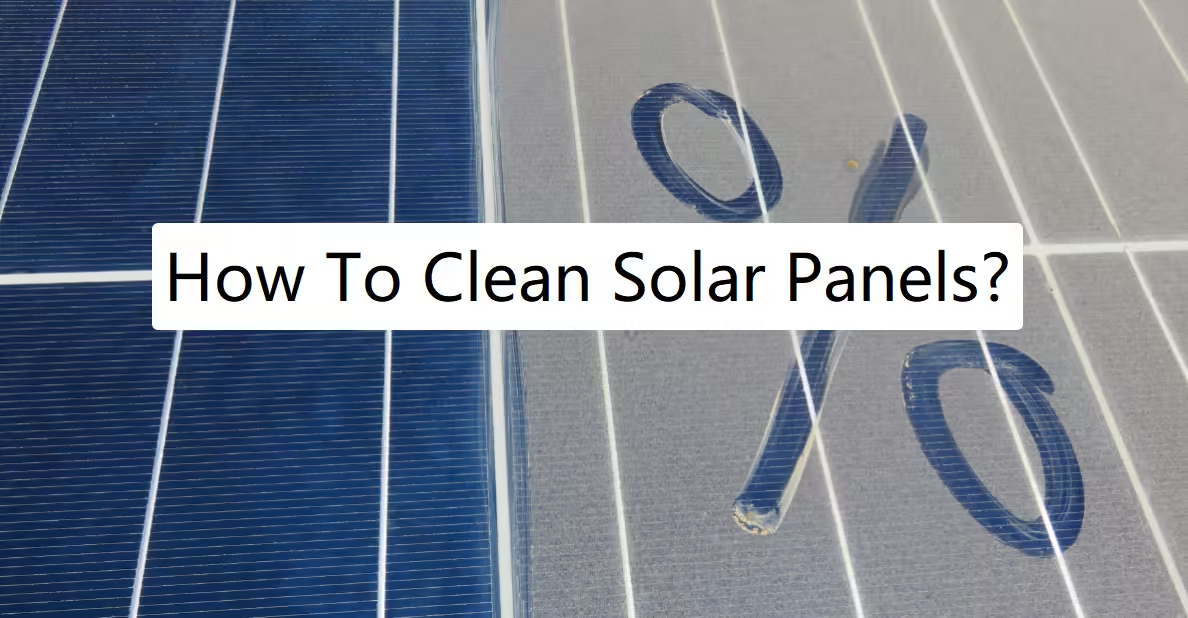
Paano Linisin ang mga Solar Panel?
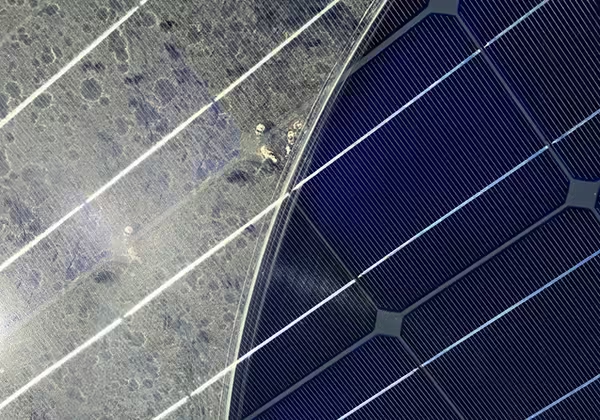
Mga solar panel, bilang pangunahing bahagi ng berdeng sistema ng enerhiya, direktang nakakaapekto sa ani ng enerhiya sa pamamagitan ng kanilang kahusayan sa pagbuo ng kuryente. Pananaliksik mula sa National Renewable Energy Laboratory (NREL) ay nagpapakita na ang akumulasyon ng alikabok ay maaaring mabawasan ang output ng photovoltaic module sa pamamagitan ng 7%-40%. Ang gabay na ito ay sumasalamin sa mga kritikal na aspeto ng pagpapanatili ng solar panel, pagtulong sa mga user na magtatag ng siyentipikong pamamaraan sa paglilinis.
"Ang paglilinis ba ng solar panel ay may pagkakaiba sa pagganap ng solar system?”
Ang maikling sagot: oo, ang paglilinis ng iyong mga solar panel ay nakakatulong na payagan ang maximum na dami ng sikat ng araw na tumagos sa iyong mga solar panel.
Mas maraming sikat ng araw sa iyong mga panel = mas maraming solar energy = mas mababang utility bill.
Ang mga solar panel ay isang mahusay na pamumuhunan para sa pagbuo ng malinis na enerhiya, ngunit dumi, alikabok, at ang mga labi ay maaaring mabawasan ang kanilang kahusayan. Ang regular na paglilinis ay nakakatulong na mapanatili ang pinakamataas na pagganap at tinitiyak ang maximum na output ng enerhiya.
ako. Bakit Mahalaga ang Paglilinis: Higit pa sa Pag-aalis ng Alikabok sa Ibabaw
1. Pagtitiyak ng Photoelectric Conversion Efficiency
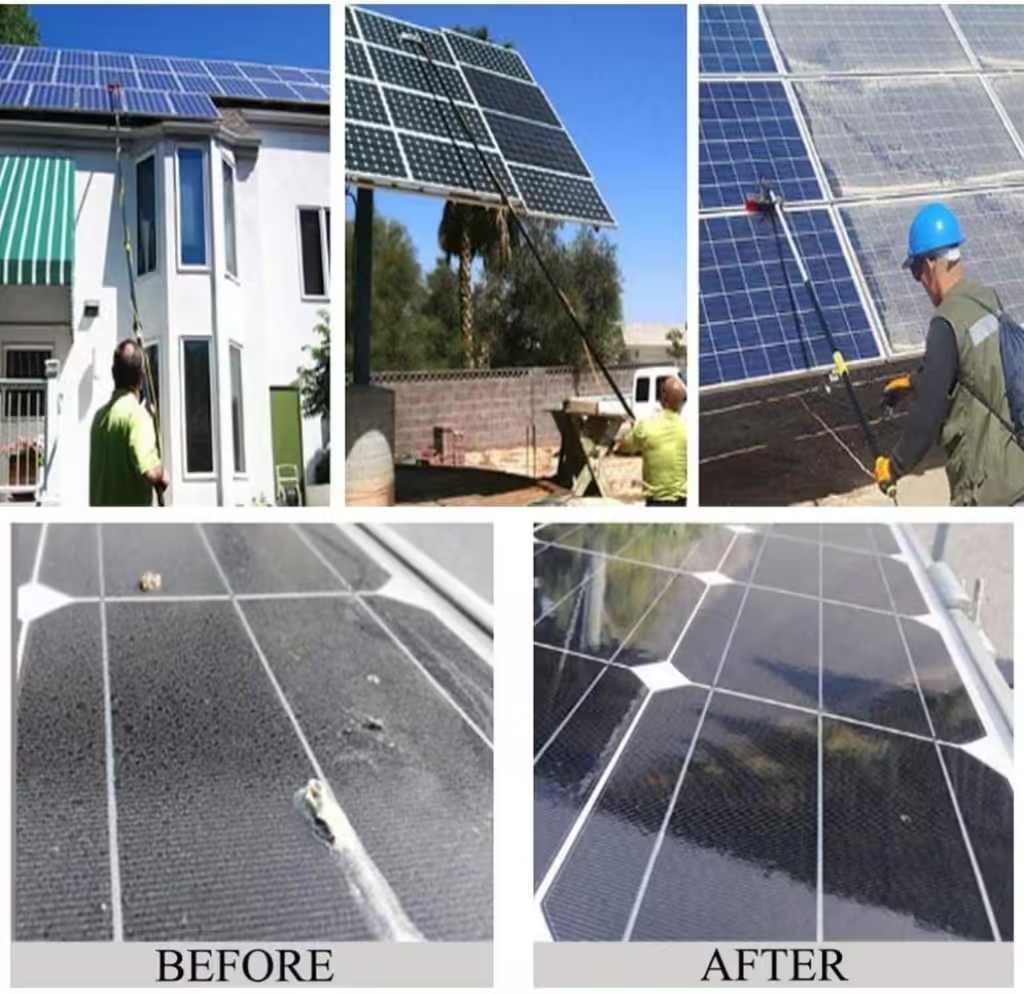
- Epekto ng Alikabok: 0.1Ang g/cm² dust ay nagpapababa ng power output ng 5%
- Mga Organic na mantsa: Ang mga dumi ng ibon ay lumilikha ng lokal na pagtatabing, nagpapalitaw ng mga epekto ng hotspot
- Mga Polusyong Pang-industriya: Ang mga particle ng PM2.5 ay bumubuo ng mga light-blocking adhesive layer
2. Pagpapahaba ng Haba ng Kagamitan
- Pag-iwas sa Kaagnasan: Mga acidic contaminants (hal., dumi ng ibon) masira ang tempered glass
- Proteksyon sa Patong: Ang pagkikristal ng asin sa alikabok ay nakakasira ng mga anti-reflective coatings
- Pamamahala ng Thermal: Ang akumulasyon ng alikabok ay nagpapataas ng temperatura ng panel ng 5-8°C, nagpapabilis ng pagtanda
3. Mga Benepisyo sa Ekonomiya
- Maaaring mawala ang isang 10kW system $45-75 buwanan sa hindi nababawi na enerhiya
- Ang regular na paglilinis ay nagpapalaki ng taunang ROI ng 8-15%
II. Pinakamainam na Dalas ng Paglilinis: Framework sa Paggawa ng Desisyon
1. Environmental Assessment Matrix
| Uri ng Lokasyon | Paglilinis ng pagitan | Pangunahing Contaminants |
|---|---|---|
| Mga Sonang Pang-industriya | 15-30 araw | Mga mamantika na particle, alikabok ng pabrika |
| Mga Lugar na Pang-agrikultura | 30-45 araw | pollen, nalalabi sa pestisidyo |
| Mga Rehiyon sa Disyerto | 7-15 araw | Pinong buhangin, mga deposito ng calcium |
| Mga Sona sa Baybayin | 20-30 araw | Pagkikristal ng spray ng asin |
2. Mga Pana-panahong Pagsasaayos
- Tag-ulan: Palawakin ang mga agwat sa pamamagitan ng 30% dahil sa natural na pagbabanlaw
- Mga Panahon ng Bagyo ng Alikabok: Linisin kaagad pagkatapos ng kaganapan
- Panahon ng Taglagas ng Dahon: Lingguhang inspeksyon ng mga labi
3. Mga Solusyon sa Smart Monitoring
- Sinusubaybayan ng mga sensor ng iradiance ang mga rate ng pagpapadala ng liwanag
- Sinusuri ng mga IV curve tracer ang pagkasira ng performance
- Tinutukoy ng drone thermal imaging ang mga maruruming lugar
III. Propesyonal na Protocol sa Paglilinis
1. Mga Detalye ng Tool
- Mga brush: Nylon bristles ≤0.3mm diameter
- Mga Ahente sa Paglilinis: pH-neutral na mga solusyon (6-8 hanay ng pH)
- Kalidad ng Tubig: Pinalambot na tubig na may TDS <50ppm
2. Standard Operating Procedure
- Safety Prep: Idiskonekta ang mga switch ng DC, gumamit ng kagamitan sa proteksyon ng pagkahulog
- Bago Banlawan: Mababang presyon (<2 bar) tubig flush para sa maluwag na mga labi
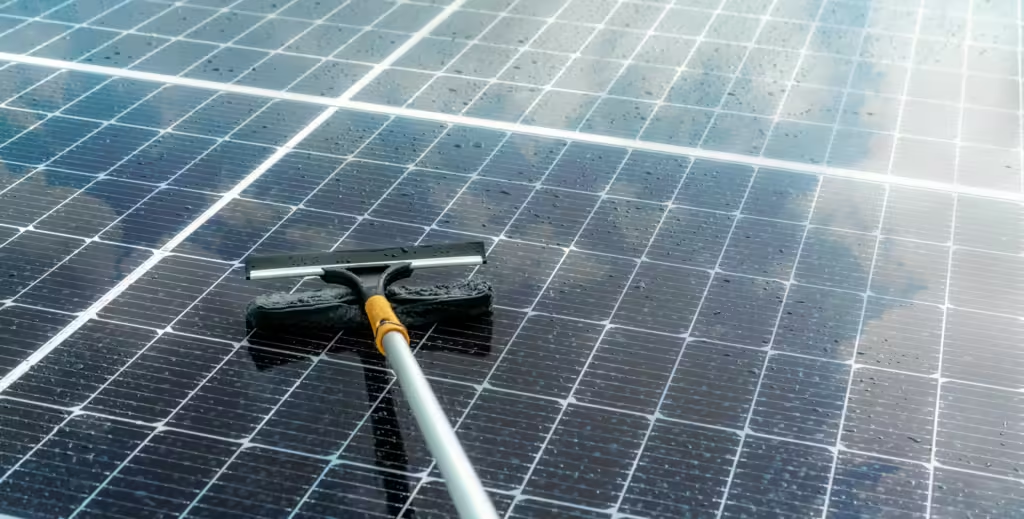
- Malalim na Paglilinis: 45° anggulo unidirectional brushing
- Pangwakas na Banlawan: Ikot ng deionized water banlawan
- Inspeksyon: Air-dry natural, i-verify ang integridad ng ibabaw
3. Espesyal na Paggamot ng Mantsa
- Dumi ng ibon: Pagbabad ng enzymatic cleaner
- Katas ng Puno: ≤30% isopropyl alcohol solution
- Mga Deposito ng Mineral: Banlawan ng banayad na acidic (pH ≥5)
IV. Pagbabawas ng Panganib & Mga Teknolohikal na Inobasyon
1. Mga Kritikal na Protokol sa Kaligtasan
- Iwasan ang paglilinis sa tanghali (inirerekomenda: madaling araw/takipsilim)
- Gumagana lamang kapag ang temperatura ng panel <35°C
- Huwag kailanman tumapak sa mga panel (kapasidad ng pagkarga ≤50kg/m²)
2. Advanced na Teknolohiya sa Paglilinis
- Mga Nano Coating: Bawasan ang pagdirikit ng alikabok sa pamamagitan ng 90%
- Robotic System: Maglinis ng 2,000㎡ araw-araw
- Mga Electrostatic Cleaner: Pag-alis ng alikabok na walang contact
3. Mga Sukatan ng Quality Control
- Pagbawi ng light transmittance ≥97%
- Module temperature differential ΔT ≤2℃ (sa pamamagitan ng thermal imaging)
- Pagpapabuti ng power output ≥5%
V. Pagsusuri sa Ekonomiya: 100kW Commercial System Halimbawa
| Parameter | Hindi pinapanatili | Pinapanatiling Sistema |
|---|---|---|
| Taunang Henerasyon | 120,000 kWh | 132,000 kWh |
| Taunang Kita | $96,000 | $105,600 |
| 5-Taon Pagpapanatili | $0 | $15,000 |
| Pagkakaiba ng Netong Kita | — | +$33,000 |
Konklusyon:
Maaaring pataasin ng sistematikong paglilinis ang kabuuang lifecycle ROI nang higit pa 20%. Magpatupad ng three-tier na diskarte sa pagpapanatili:
- Araw-araw na Inspeksyon: Mga visual na pagsusuri para sa mga labi
- Quarterly Deep Cleaning: Propesyonal na serbisyo
- Taunang Teknikal na Pag-audit: Pagpapatunay ng pagganap
Para sa malalaking halaman, Ang mga awtomatikong sistema ng paglilinis ay nag-optimize sa pagpapatakbo gastos sa 0.5%-1.5% ng kita ng enerhiya, pag-maximize ng ROI. Pagsamahin ang IoT monitoring sa predictive maintenance algorithm para sa peak system performance.
Sa pamamagitan ng pagsunod sa mga simpleng hakbang na ito, matitiyak mong mananatiling malinis ang iyong mga solar panel, epektibo, at matibay sa mga darating na taon. Pagmasdan ang pagganap, malinis kung kinakailangan, at tamasahin ang buong benepisyo ng solar energy!
10kWh LiFePO4 Baterya 10kWh Solar Battery Gastos sa Myanmar 25Mga Sistema ng Baterya ng kWh All-in-One BESS Container 4MWh Saudi BESS Manufacturer China Pinaka murang Baterya sa Bahay China BESS Solutions Bultuhang DDP ng Tsina China Factory LiFePO4 Baterya China Grid-Scale BESS Mga Supplier ng Chinese OEM Komersyal na Imbakan ng Baterya Kenya Mga Solusyon sa DC ESS DDP Solution Direkta sa DRC Direktang Tsina sa Africa Direktang China sa Africa Battery baterya ng imbakan ng enerhiya Sistema ng Imbakan ng Enerhiya Pandaigdigang Lithium Battery Leaders Grade A na Baterya Supplier ng Imbakan ng Baterya ng Grid-Scale Mga Baterya sa Bahay para sa Mga Pamilyang Dutch imbakan ng enerhiya sa bahay Pang-industriya BESS Kenya Lead-Acid vs. Mga Baterya ng Lithium-Ion LiFePO4 Mga baterya ng LiFePO4 Mga Baterya ng LiFePO4 sa South Africa LifePo4 na baterya LifePO4 Battery Technology Distributor ng LiFePO4 sa Iraq LiFePO4 ESS Kenya Lithium-Ion na Baterya baterya ng lithium ion Mas mababang Presyo Mga Trend sa Market Panlabas na Liquid Cooling Cabinet Saudi LiFePO4 Procurement Scalable BESS Solutions para sa Industriya Mga Solar Panel solar system Pinagsasalansan ang All-in-One Pakyawan LiFePO4 Solar Baterya Pakyawan na mga Baterya ng Solar