
Lithium vs Lead-Acid na Baterya: Komprehensibong Paghahambing & Gabay sa Pagbili【2025】
Ang Kumpletong Gabay sa Lithium vs Lead-Acid Battery
Sa pag-iimbak ng enerhiya, mga baterya ng lithium-ion atmga baterya ng lead-acid mangibabaw sa merkado. Kung para sa solar system, mga de-kuryenteng sasakyan, o kagamitang pang-industriya, ang pagpili ng tamang uri ng baterya ay nakakaapekto sa pagganap, gastos, at pangmatagalang kahusayan. Inihahambing ng artikulong ito ang dalawang teknolohiyang ito sa kabuuanikot ng buhay, kahusayan sa pagsingil, kakayahang umangkop sa kapaligiran, at kaligtasan, habang tinutugunan ang mga FAQ tulad ng “Ano ang selyadong lead-acid na baterya?” at “Alin ang mas mabuti?” para matulungan kang gumawa ng matalinong mga desisyon.
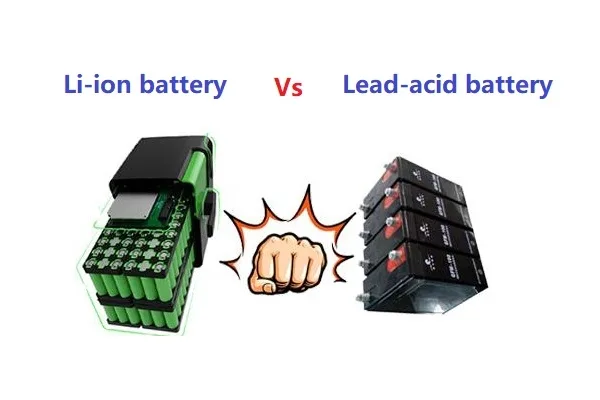
1. Mga Pangunahing Pagkakaiba sa Pagitan ng Lead-Acid at Lithium Baterya
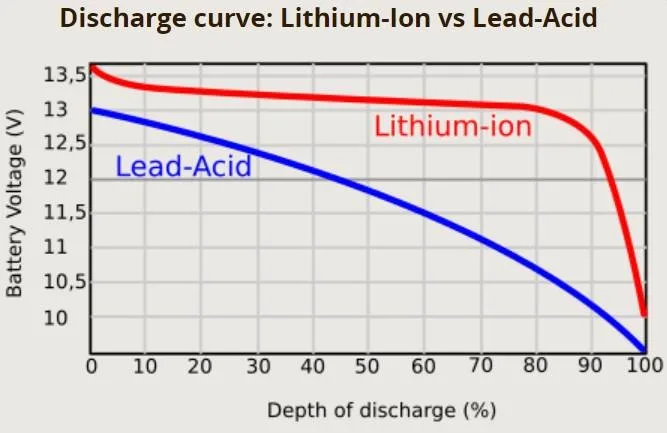
1.1 Ikot ng Buhay & Kahusayan sa Gastos
- Lithium-ion (hal., LiFePO4): 3,000–5,000 cycle, pagpapanatili 80%+ kapasidad pagkatapos 2,000 mga cycle.
- Lead-Acid: 300–500 cycle, na may kapasidad na madalas na bumababa sa ibaba 50% pagkatapos 150 mga cycle.
- Insight sa Gastos: Ang paunang halaga ng Lithium ay 2–3x na mas mataas, ngunit ang habang-buhay nito ay binabawasan ang mga pangmatagalang gastos ng 40–50%.
1.2 Bilis ng Pag-charge & Kahusayan ng Enerhiya
- Lithium: Mga singil sa2–5 oras (99% kahusayan); sumusuporta sa bahagyang "pagsingil ng pagkakataon."
- Lead-Acid: Nangangailangan8–10 oras (50-80% na kahusayan) at dapat na ganap na ma-discharge bago mag-recharge upang maiwasan ang pinsala sa sulfation.
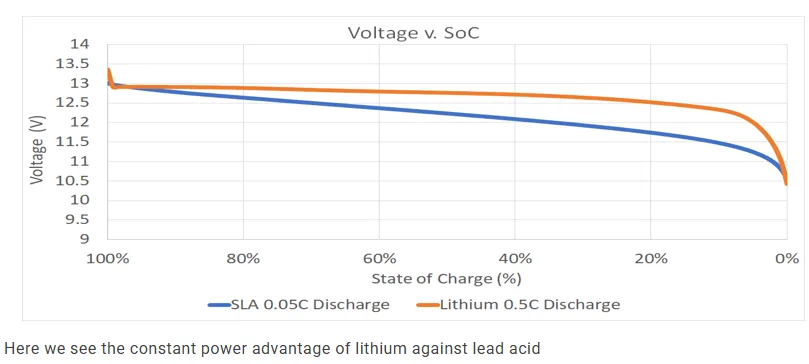
1.3 Pagpaparaya sa Temperatura
- Mataas na Init: Ang Lithium ay tumatagal ng 2x na mas mahaba kaysa sa lead-acid sa 55°C (131°F).
- Mababang Temperatura:
- Lithium: Naghahatid 70% kapasidad sa -18°C (0°F) ngunit hindi maaaring mag-charge sa ibaba 0°C (32°F) walang mga sistema ng pag-init.
- Lead-Acid: Nagbibigay 45% kapasidad sa -18°C at nagbibigay-daan sa mababang-kasalukuyang pagsingil sa mga nagyeyelong kondisyon.
1.4 Timbang & Space Efficiency
- Ang Lithium ay mayroon3× mas mataas na density ng enerhiya, pagtimbang 60% mas mababa. Halimbawa, ang isang 48V/600Ah lithium pack ay tumitimbang ng ~700 lbs vs. 1,800 lbs para sa lead-acid.
2. Ano ang Sealed Lead-Acid Battery (VRLA)?
Valve-Regulated Lead-Acid (VRLA) mga baterya ay walang maintenance na may mga natatanging disenyo:
- Istruktura: Ang electrolyte ay nasisipsip sa mga AGM separator o gel, pag-aalis ng mga tagas.
- Kaligtasan: Pinipigilan ng mga pressure-relief valve ang mga acid spill sa panahon ng overcharging.
- Mga aplikasyon: Mga sistema ng UPS, emergency lighting, mga kagamitang medikal (5-10-taong habang-buhay).
3. Alin ang Mas Mabuti? Key Applications Decoded
✅When to Choose Lithium Batteries
- High-Cycle Applications: Imbakan ng solar, mga forklift (5,000+ cycles reduce replacements).
- Weight-Sensitive Uses: Mga RV, mga drone, mga aplikasyon sa dagat.
- Extreme Environment: High-temperature warehouses or cold-chain logistics.
✅When Lead-Acid Batteries Shine
- Budget Constraints: Initial cost is 1/3–1/2 of lithium.
- Low-Maintenance Needs: VRLA batteries suit backup power systems.
- High-Vibration Settings: Robust construction for automotive starter batteries or heavy machinery.
4. Mga Trend sa Hinaharap: Solid-State Lithium & Eco-Innovations
Emerging tech likesolid-state lithium-metal batteries (hal., Harvard’s 10,000-cycle prototype with 10–20-minute charging) ataqueous batteries (eco-friendly, hindi nasusunog) promise breakthroughs. Gayunpaman, challenges like dendrite growth and corrosion resistance remain.
5. Quick Comparison Table
| Salik | Lithium-Ion | Lead-Acid |
|---|---|---|
| Paunang Gastos | Mataas | Mababa |
| Habambuhay na Gastos | Ibaba (mahabang buhay) | Mas mataas (frequent replacement) |
| Oras ng Pag-charge | 2–5 oras | 8–10 oras |
| Saklaw ng Temperatura | -20°C–60°C (discharge) | -40°C–50°C (limitado ang singil) |
| Eco-Friendliness | Mataas (walang lead) | Mababa (mabigat na metal polusyon) |
Gabay sa Desisyon: Mag-opt para salithium para sa mahabang buhay, kahusayan, at portable. Pumililead-acid para sa masikip na badyet o simpleng backup na pangangailangan. Para sa matinding kondisyon (hal., subzero charging), tiyakin ang mga sistema ng pamamahala ng baterya (BMS) ay isinama.
Mag-explore pa:
Sa detalyadong paghahambing na ito, handa kang pumili ng pinakamainam na solusyon sa pag-iimbak ng enerhiya! 🔋
10kWh LiFePO4 Baterya 10kWh Solar Battery Gastos sa Myanmar 25Mga Sistema ng Baterya ng kWh All-in-One BESS Container 4MWh Saudi BESS Manufacturer China Pinaka murang Baterya sa Bahay China BESS Solutions Bultuhang DDP ng Tsina China Factory LiFePO4 Baterya China Grid-Scale BESS Mga Supplier ng Chinese OEM Komersyal na Imbakan ng Baterya Kenya Mga Solusyon sa DC ESS DDP Solution Direkta sa DRC Direktang Tsina sa Africa Direktang China sa Africa Battery baterya ng imbakan ng enerhiya Sistema ng Imbakan ng Enerhiya Pandaigdigang Lithium Battery Leaders Grade A na Baterya Supplier ng Imbakan ng Baterya ng Grid-Scale Mga Baterya sa Bahay para sa Mga Pamilyang Dutch imbakan ng enerhiya sa bahay Pang-industriya BESS Kenya Lead-Acid vs. Mga Baterya ng Lithium-Ion LiFePO4 Mga baterya ng LiFePO4 Mga Baterya ng LiFePO4 sa South Africa LifePo4 na baterya LifePO4 Battery Technology Distributor ng LiFePO4 sa Iraq LiFePO4 ESS Kenya Lithium-Ion na Baterya baterya ng lithium ion Mas mababang Presyo Mga Trend sa Market Panlabas na Liquid Cooling Cabinet Saudi LiFePO4 Procurement Scalable BESS Solutions para sa Industriya Mga Solar Panel solar system Pinagsasalansan ang All-in-One Pakyawan LiFePO4 Solar Baterya Pakyawan na mga Baterya ng Solar

2 Mga komento