
トップ 3 太陽光発電システム用リチウムイオン電池: のベストピック 2025
中核的な役割 リチウムイオン電池 太陽系と最良の選択
太陽光発電システムの人気が高まる中、, リチウムイオン電池 効率が高いため、エネルギー貯蔵において好ましい選択肢となっています。, 長寿命, と環境上の利点. この記事では、主流の製品とメーカーに関する情報を組み合わせて、太陽光発電システムに適したリチウムイオン電池の種類を分析します。, 彼らの利点, 選択のための推奨事項.
販売データの比較
1. 世界販売量 (2023):
- LiFePO₄バッテリー: 2.5 GWh
- NCMバッテリー: 1.8 GWh
- LTOバッテリー: 0.6 GWh
- LiFePO₄電池が最大のシェアを誇る, ほとんどの住宅用および産業用システムにとって好ましい選択肢となっています。.
2. 住宅用および産業用システムの使用率:
- 住宅用システムでは:
- 80% LiFePO₄を使用
- 15% NCMを使用する
- 5% LTOを使用する
- 産業および商業システムにおいて:
- 60% LiFePO₄を使用
- 30% NCMを使用する
- 10% LTOを使用する
3. 充放電効率比較:
- 充放電効率:
- LiFePO₄バッテリー: 96%
- NCMバッテリー: 92%
- LTOバッテリー: 98%
- サイクルライフ:
- LiFePO₄バッテリー: 2000-5000 サイクル
- NCMバッテリー: 1000-2000 サイクル
- LTOバッテリー: 10,000 サイクル
- 安全性:
- LiFePO₄: 高い, 不燃性
- NCM: 中くらい, 熱暴走が起こる可能性がある
- LTO: 非常に高い, 極限環境でも安定
4. 価格比較:
- LiFePO₄: 約. $120–$180/kWh
- NCM: 約. $150–$200/kWh
- LTO: 約. $400–$600/kWh
太陽エネルギー貯蔵におけるリチウムイオン電池の利点
1. 高エネルギー密度と軽量 従来の鉛蓄電池との比較, リチウムイオン電池, 特にLiFePO₄タイプ, エネルギー密度が高く、軽い. 例えば, 12V 100Ah LiFePO₄ バッテリーの重量はわずか 9.36kg, 同じ容量の鉛蓄電池の重量は最大 30kg になる可能性があります。. そのため、屋上の設置や、RV やオフグリッド システムなどのモバイル アプリケーションに最適です。.
2. 長いサイクル寿命と安定性 LiFePO₄ バッテリーのサイクル寿命は通常、 2000 サイクル (と 80% 容量維持), をはるかに超えています 300-500 鉛蓄電池のサイクル. Dinali Energy のようなメーカーは、極端な温度下でもバッテリーの安定性を確保するために厳格な品質テストを実施し、以下の範囲の保証を提供しています。 1 に 3 年.
3. 高速充放電と高い互換性 リチウムイオン電池はより高い充電/放電レートをサポートします (例えば, 100BMS), ソーラーパネルからのエネルギー入力への迅速な応答を可能にする. スマートを通じて バッテリー管理システム (BMS), 過充電および過放電保護を提供します。, インバーターやソーラーコントローラーとの互換性を確保.
太陽光発電システムに最適なリチウムイオン電池の種類
1. LiFePO₄ (リン酸鉄リチウム電池)
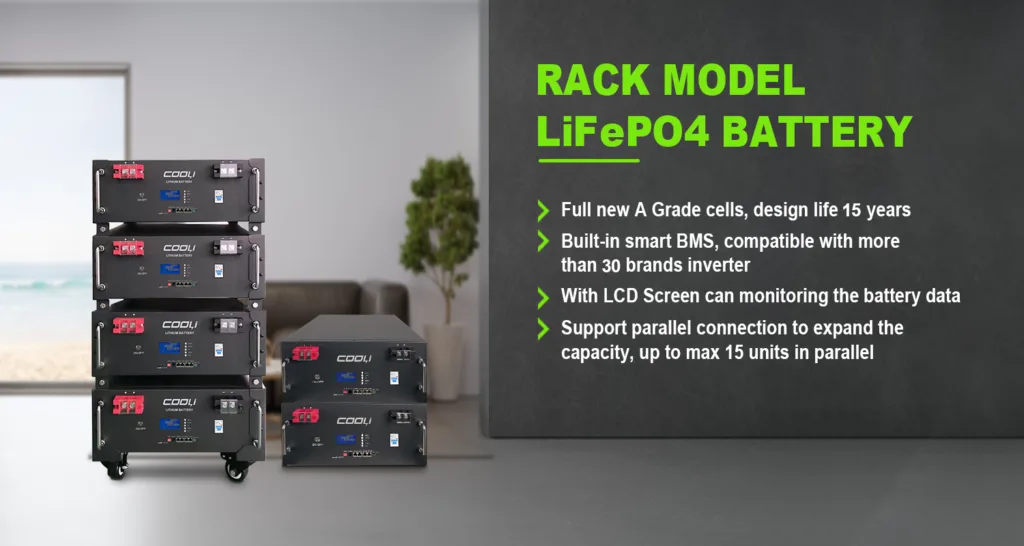
- 主な利点: 高い安全性 (強い熱安定性), 長いサイクル寿命 (1500-2000 サイクル), 環境に優しい.
- 代表的な用途: 住宅用倉庫, オフグリッド太陽光発電システム, RV, 等.
- 代表的な製品: 100A BMS を備えた 12V 100Ah LiFePO₄ バッテリー, 1年間の保証を提供します, おおよその価格 $139.
2. NCM (ニッケル・コバルト・マンガン・リチウム電池)
- 特徴: より高いエネルギー密度, スペースが重要なアプリケーションに最適, ただし、LiFePO₄と比較してサイクル寿命はわずかに低くなります。.
- アプリケーション: 商業および産業用ストレージ システム, 高電力需要のハイブリッド太陽光発電のセットアップ.
3. LTO (チタン酸リチウム電池)
- 利点: 超長サイクル寿命 (まで 10,000 サイクル), 広い温度適応性 (-30℃~60℃).
- 適切な用途: 極端な気候での太陽電池システム、または頻繁に充放電サイクルを行うマイクログリッド システム.
太陽電池リチウムイオン電池購入ガイド
1. 容量と電圧のマッチング 住宅用システム向け, 12V または 24V 電池が一般的に使用されます (例えば, 12V 100Ah バッテリーは約 1.2kWh のエネルギーを蓄えることができます). 負荷電力と日照時間に基づいて総エネルギー要件を計算することが重要です.
2. BMS と安全認証 バッテリーに過電流および温度保護をサポートする統合 BMS が搭載されていることを確認します。. UL認定製品を選ぶ, CE, またはTUV (EastSun のものなど ,サンチーズと クーリチウム).
3. メーカーとアフターサービス カスタマイズされたソリューションを提供するブランドを選択する:
- 総力: 30,000 平方メートルの工場, 産業グレードのエネルギー貯蔵のカスタマイズをサポート.
- CMGLソーラー (パキスタン市場): 25 年間のシステム保証付きの Tesla および Longi バッテリー ソリューションを提供.
推奨される世界のリチウム電池メーカー
1. イーストサン (中国)
- 同社の製品ラインは住宅用と商業用の両方のストレージ システムをカバーしています, ハイブリッドインバーターとLiFePO₄バッテリーを備えた統合ソリューションを提供, ULおよびIECによって認定されています.
2. ファストエネルギー (インド)
- グリーンエネルギーを専門としています, LFP および NCM バッテリーの生産, 太陽光発電インバータとマイクログリッドアプリケーションをサポート, そして提供 24/7 テクニカルサポート.
3. サンチーズ (中国)
- と 15 長年のOEM経験, Sunchees は純粋な正弦波インバーターとリチウム電池システムを提供しています, 以上の分散プロジェクトをサポート 100 国.
4. クーリチウム(中国)
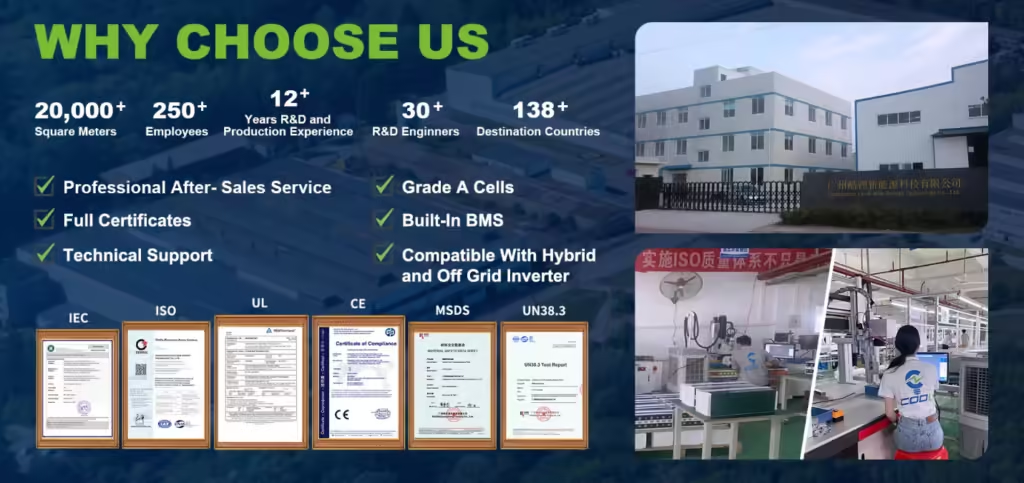
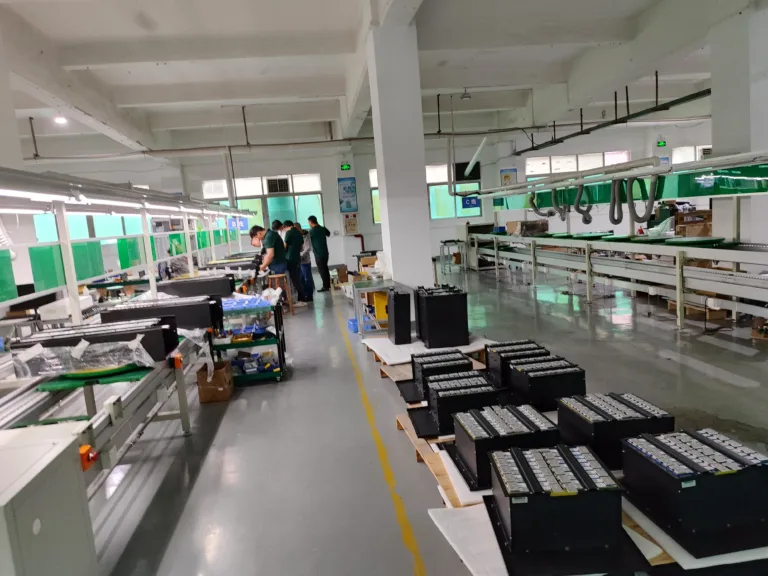
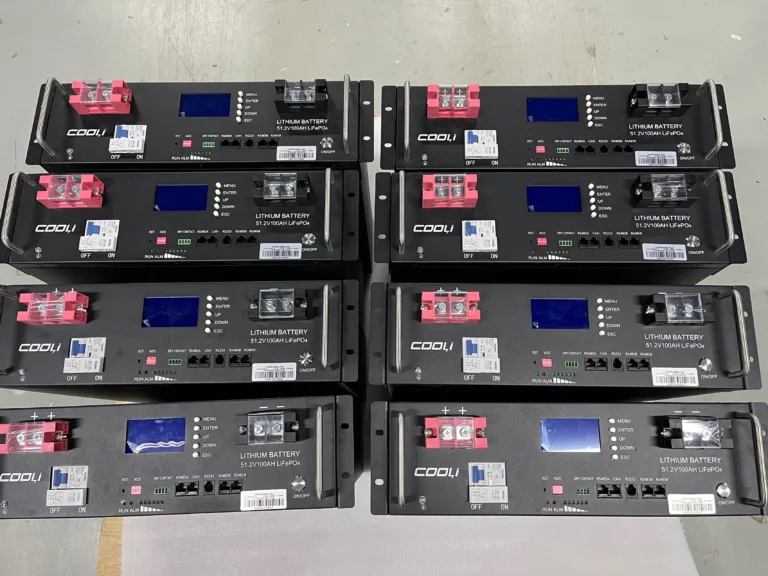
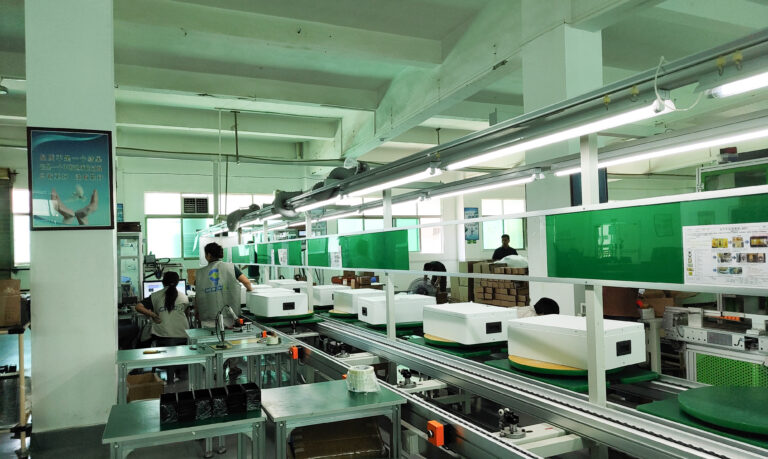
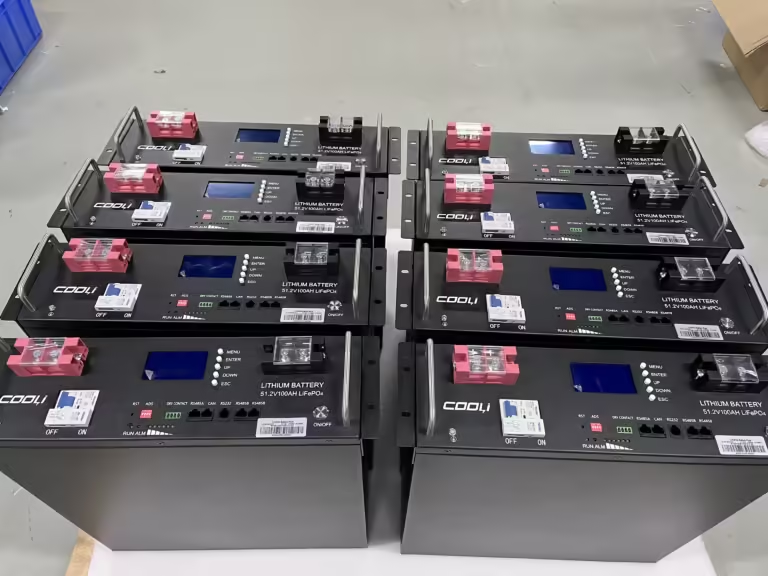
- 15 長年の経験を持つ専門工場 3 生産用の建物, OEM&ODM experience, BMS システムは当社のエンジニア チームによって開発されています。, 以上のマッチングが可能 20 brands of inverters.Got ISO9001,UL,の-021, IEC,CE,CB,UN38.3、MSDS,等証明書.
Installation and Maintenance Recommendations
1. System Compatibility Ensure the battery voltage matches the solar panel and inverter specifications (例えば, a 12V battery must be compatible with a 12V solar controller).
2. Regular Monitoring Use smart apps provided by manufacturers (例えば, CMGL Solar’s monitoring tools) to track the charging and discharging status in real-time.
3. Environmental Requirements Avoid high temperatures or humid environments. LiFePO₄ batteries are recommended to operate within a temperature range of -20°C to 60°C.
結論
LiFePO₄ batteries, due to their high charge/discharge efficiency, 安全性, and affordable price, remain the top choice in most residential and industrial systems. NCM batteries are better suited for high-capacity applications, 一方、LTO バッテリーは極端な環境や高頻度のサイクリング シナリオで優れています。. 選択時, システム特有のニーズを考慮する, 長期的な投資と効率の観点から, ほとんどの場合、LiFePO₄ が最良の選択です.
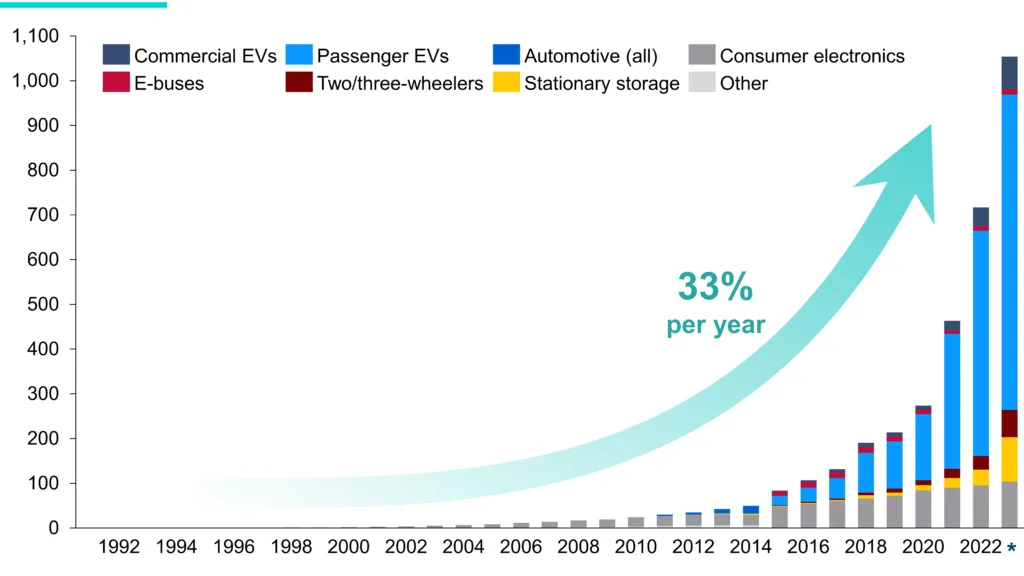
世界の太陽電池市場の概要ソース: https://www.marketresearchfuture.com/reports/solar-battery-market-10621
10kWh LiFePO4 バッテリー 10ミャンマーのkWh太陽電池コスト 25kWhバッテリーシステム オールインワン BESSコンテナ 4MWh サウジ BESSメーカー中国 最も安い家庭用バッテリー 中国BESSソリューション 中国DDP卸売 中国工場LiFePO4バッテリー 中国グリッドスケール BESS 中国のOEMサプライヤー 商業用バッテリー保管庫 ケニア DC ESS ソリューション DRC に直接接続する DDP ソリューション 中国をアフリカに誘導する 中国をアフリカに誘導するバッテリー エネルギー貯蔵電池 エネルギー貯蔵システム リチウム電池の世界的リーダー グレードAバッテリー グリッドスケールのバッテリーストレージサプライヤー オランダの家庭向けの家庭用バッテリー 家庭用エネルギー貯蔵 インダストリアル BESS ケニア 鉛酸 vs. リチウムイオン電池 LiFePO4 LiFePO4電池 南アフリカのLiFePO4バッテリー LifePo4 バッテリー LifePO4 バッテリーテクノロジー イラクのLiFePO4販売業者 LiFePO4 ESS ケニア リチウムイオン電池 リチウムイオン電池 低価格 市場動向 屋外液体冷却キャビネット サウジのLiFePO4調達 産業向けのスケーラブルな BESS ソリューション ソーラーパネル 太陽系 スタッキングオールインワン 卸売LiFePO4太陽電池 卸売太陽電池
1 つのコメント