
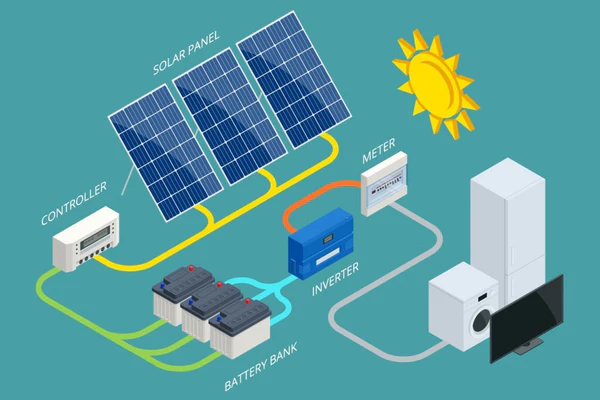
太陽電池容量の計算方法? 3 完璧なサイジングへのステップ
(アフリカの家庭とビジネスのための実践ガイド, 南アフリカを中心に)
アフリカの負荷制限スケジュールに太陽電池容量を適合させる
南アフリカやアフリカの他の地域などの地域では, 頻繁な停電と信頼性の低い送電網により、太陽エネルギーシステムは家庭や企業のライフラインとなっています. 太陽光発電のセットアップの重要なコンポーネントはバッテリーです, 太陽が輝いていないときに使用するためにエネルギーを蓄える. しかし, 間違ったバッテリー容量を選択すると、お金の無駄遣いにつながる可能性があります, 電力不足, またはバッテリー寿命が短くなる.
このガイドでは、計算プロセスを詳しく説明します。 太陽電池容量 3つの簡単なステップに, アフリカ特有のエネルギーニーズに合わせて調整, 気候, そして太陽光発電の可能性.

ステップ 1: 毎日のエネルギー消費量を決定する
バッテリーのサイズを決める前に, あなたは知る必要があります家庭や企業が毎日使用するエネルギー量.
- すべての電化製品をリストアップする 太陽光発電を計画している.
- アフリカの家庭によくある電化製品: LEDライト (5–10W), 冷蔵庫 (100–200W), テレビ (50–100W), ファン (50W), 携帯充電器 (10W), そして小型ウォーターポンプ (200–500W).
- 企業向け: コンピュータ, ルーター, 防犯カメラ, または機械.
- 1 日のエネルギー使用量を計算する (ワット時で, うーん):
- 力 (W) × 1 日あたりの使用時間 = 家電製品ごとの 1 日あたりの電力量.
- 例:
- 5 LEDライト (10各W) × 6 時間 = 300 うーん
- 冷蔵庫 (150W) × 24 時間 (オン/オフを繰り返す) ≈ 900 うーん
- テレビ (80W) × 4 時間 = 320 うーん
- 1 日の総エネルギー = 300 + 900 + 320 = 1,520 うーん (1.52 kWh)
- 非効率性を考慮する:
- 太陽光発電システムはインバーターの効率の低下によりエネルギーを損失します (~10~20%) およびバッテリーの充放電損失 (~10~15%).
- 1 日の総エネルギー量に次を掛けます1.3 (30% バッファ):
- 1.52 kWh× 1.3 = 1 日あたり約 2 kWh.
ステップ 2: 自治日数に基づいてバッテリー容量を計算する
バッテリー容量は次のものに依存しますバックアップ電源は何日必要ですか (自治の日々). 南アフリカでは, 負荷制限が一般的である場所, 2– 3日間の自主性が現実的.
1.式:
バッテリー容量(kWh)=毎日のエネルギー(kWh)×自治デイズ
- 例: のために 2 自主性の日々:
2 kWh/日×2日=4 kWh
2.kWh から アンペア時へ変換 (ああ):
- バッテリーの定格は特定の電圧における Ah 単位です (例えば, 12V, 24V, 48V).
- 式:

- 例: 48Vシステムの場合:

3.放電の深さの要因 (国防総省):
- ほとんどのバッテリー (例えば, リチウムイオン) 国防総省の 80 ~ 90% 未満で放電してはならない. 鉛蓄電池は以下に限定されます 50% 国防総省.
- 容量を調整する:

- 例: リチウムイオン用 (90% 国防総省):

ステップ 3: バッテリー容量をソーラーパネルの出力に合わせる
バッテリーはソーラーパネルアレイの充電能力と一致している必要があります.
- 毎日の太陽光発電量を確認する:
- 南アフリカの平均4– 日照時間のピーク時間は毎日 6 時間 (季節によって異なります).
- 式:ソーラーパネル出力(うーん)=パネルワット数×日照時間ソーラーパネル出力(うーん)=パネルのワット数×日照時間
- 例: 400Wパネル× 5 太陽の時間 = 2,000 うーん (2 kWh).
- パネルがバッテリーを充電できることを確認する:
- 毎日の太陽光発電は毎日のエネルギー使用量を超える必要があります.
- 例: 使用する場合 2 kWh/日および生成 2 kWh/日, 曇りの日には追加の容量が必要になります.
- システム拡張用アカウント:
- 将来のニーズに備えてバッテリー容量を 20 ~ 30% 追加 (例えば, アプライアンスの追加).
アフリカのユーザーに対する主な考慮事項
- 電池のタイプ:
- リチウムイオン: 長寿命 (10+ 年), より高い国防総省 (90%), しかし高価な.
- 鉛酸: 安いけど寿命が短い (3–5年) そして国防総省の下位 (50%).
- 温度:
- 高温 (アフリカではよくあること) バッテリー効率を低下させる. 電池は日陰に設置してください, 換気された場所.
- ローカルサポート:
- お住まいの地域にサービスセンターがあるブランドを選択してください (例えば, ファーウェイ, ビクトロン・エナジー, または地元のサプライヤー).
南アフリカの世帯の計算例
- 家電製品: 10 ライト (100W合計), 冷蔵庫 (150W), テレビ (80W), ファン (50W).
- 日々のエネルギー: 1.5 kWh + 30% バッファ = 1.95 kWh.
- 自律性: 2 日数 → 3.9 kWh.
- バッテリー電圧: 48V→ 3.9 kWh× 1,000 / 48V = 81.25 ああ.
- リチウムイオン (90% 国防総省): 81.25 ああ / 0.9 ≈ 90 ああ.
- 推奨バッテリー: 100 ああ、リチウムイオン (48V).
最後のヒント
- 精度を高めるためにソーラー計算ツールを使用する.
- 設計を検証するには地元の設置業者に相談してください.
- エネルギー効率の高い家電製品を優先してバッテリーのサイズとコストを削減する.
以下の手順に従ってください, 太陽電池システムがお客様のニーズを確実に満たすことができます, 負荷軽減に耐える, アフリカの気候にも耐える. 🌞🔋
さらに読む:
10kWh LiFePO4 バッテリー 10ミャンマーのkWh太陽電池コスト 25kWhバッテリーシステム オールインワン BESSコンテナ 4MWh サウジ BESSメーカー中国 最も安い家庭用バッテリー 中国BESSソリューション 中国DDP卸売 中国工場LiFePO4バッテリー 中国グリッドスケール BESS 中国のOEMサプライヤー 商業用バッテリー保管庫 ケニア DC ESS ソリューション DRC に直接接続する DDP ソリューション 中国をアフリカに誘導する 中国をアフリカに誘導するバッテリー エネルギー貯蔵電池 エネルギー貯蔵システム リチウム電池の世界的リーダー グレードAバッテリー グリッドスケールのバッテリーストレージサプライヤー オランダの家庭向けの家庭用バッテリー 家庭用エネルギー貯蔵 インダストリアル BESS ケニア 鉛酸 vs. リチウムイオン電池 LiFePO4 LiFePO4電池 南アフリカのLiFePO4バッテリー LifePo4 バッテリー LifePO4 バッテリーテクノロジー イラクのLiFePO4販売業者 LiFePO4 ESS ケニア リチウムイオン電池 リチウムイオン電池 低価格 市場動向 屋外液体冷却キャビネット サウジのLiFePO4調達 産業向けのスケーラブルな BESS ソリューション ソーラーパネル 太陽系 スタッキングオールインワン 卸売LiFePO4太陽電池 卸売太陽電池

1 つのコメント