25% さらなるパワー: 5 太陽光発電を節約する秘密 $500+ 毎年
Comprehensive Guide to Solar Panel Cleaning: Scientific Methods to Enhance Efficiency and Extend Lifespan
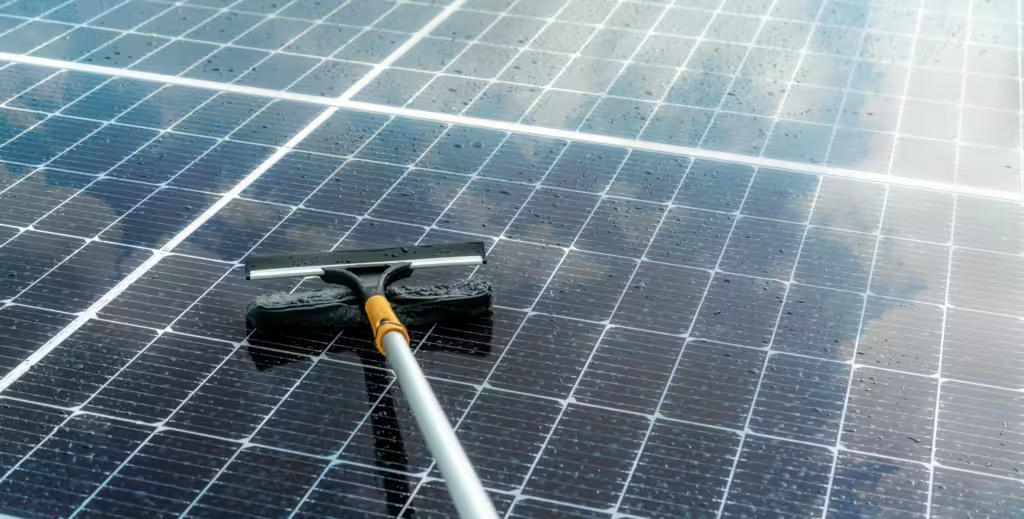
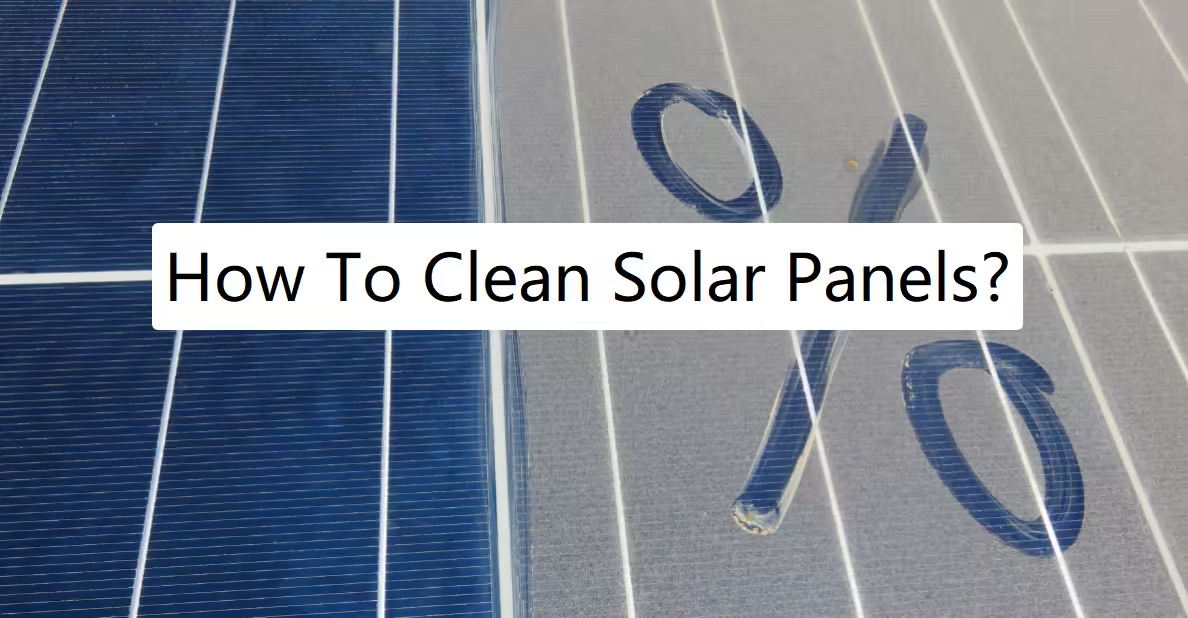
How to Clean Solar Panels?
ソーラーパネル, as the core component of green energy systems, directly impact energy yield through their power generation efficiency. Research from the National Renewable Energy Laboratory (NREL) reveals that dust accumulation can reduce photovoltaic module output by 7%-40%. This guide delves into the critical aspects of solar panel maintenance, helping users establish a scientific cleaning regimen.
“Does solar panel cleaning make a difference in solar system performance?”
The short answer: yes, cleaning your solar panels helps allow the maximum amount of sunlight to penetrate your solar panels.
More sunlight on your panels = more solar energy = lower utility bill.
Solar panels are a great investment for generating clean energy, but dirt, ほこり, and debris can reduce their efficiency. Regular cleaning helps maintain peak performance and ensures maximum energy output.
私. Why Cleaning Matters: Beyond Surface Dust Removal
1. Ensuring Photoelectric Conversion Efficiency
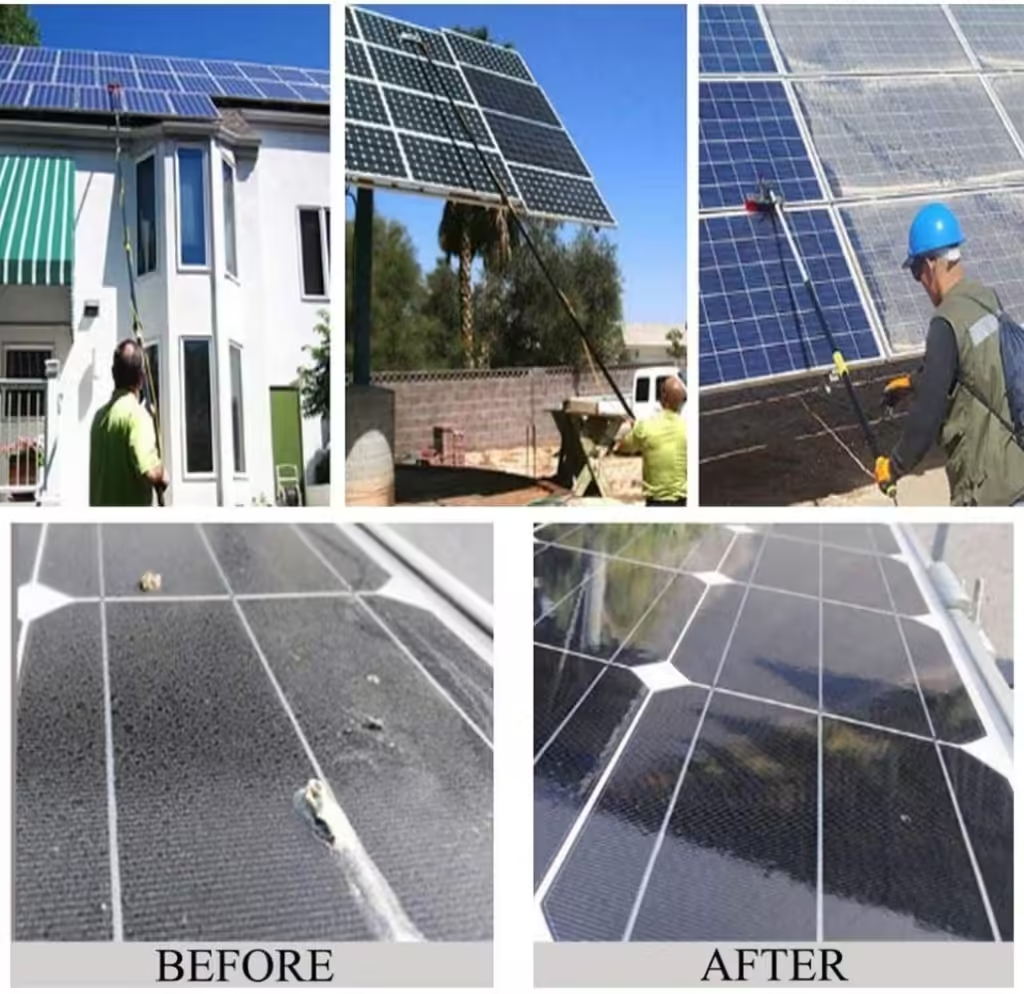
- Dust Impact: 0.1g/cm² dust reduces power output by 5%
- Organic Stains: Bird droppings create localized shading, triggering hotspot effects
- Industrial Pollutants: PM2.5 particles form light-blocking adhesive layers
2. Extending Equipment Lifespan
- Corrosion Prevention: Acidic contaminants (例えば, bird excrement) erode tempered glass
- Coating Protection: Salt crystallization in dust abrades anti-reflective coatings
- Thermal Management: Dust accumulation raises panel temperature by 5-8°C, accelerating aging
3. Economic Benefits
- A 10kW system may lose $45-75 monthly in unrecovered energy
- Regular cleaning boosts annual ROI by 8-15%
II. Optimal Cleaning Frequency: Decision-Making Framework
1. Environmental Assessment Matrix
| Location Type | Cleaning Interval | Primary Contaminants |
|---|---|---|
| Industrial Zones | 15-30 日 | Oily particles, factory dust |
| Agricultural Areas | 30-45 日 | Pollen, pesticide residue |
| Desert Regions | 7-15 日 | Fine sand, calcium deposits |
| Coastal Zones | 20-30 日 | Salt spray crystallization |
2. Seasonal Adjustments
- Rainy Season: Extend intervals by 30% due to natural rinsing
- Dust Storm Periods: Clean immediately post-event
- Leaf Fall Season: Weekly debris inspections
3. Smart Monitoring Solutions
- Irradiance sensors track light transmission rates
- IV curve tracers analyze performance degradation
- Drone thermal imaging identifies soiled areas
III. Professional Cleaning Protocol
1. Tool Specifications
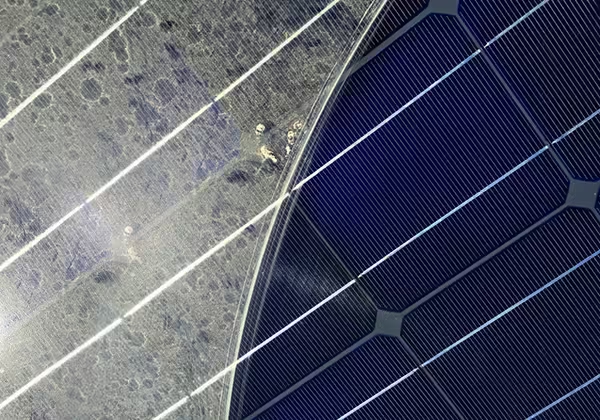
- Brushes: Nylon bristles ≤0.3mm diameter
- Cleaning Agents: pH-neutral solutions (6-8 pH range)
- Water Quality: Softened water with TDS <50ppm
2. Standard Operating Procedure
- Safety Prep: Disconnect DC switches, use fall protection gear
- Pre-Rinse: Low-pressure (<2 bar) water flush for loose debris
- Deep Cleaning: 45° angle unidirectional brushing
- Final Rinse: Deionized water rinse cycle
- Inspection: Air-dry naturally, verify surface integrity
3. Specialized Stain Treatment
- Bird Droppings: Enzymatic cleaner soaking
- Tree Sap: ≤30% isopropyl alcohol solution
- Mineral Deposits: Mild acidic rinse (pH ≥5)
IV. Risk Mitigation & Technological Innovations
1. Critical Safety Protocols
- Avoid midday cleaning (推奨: dawn/dusk)
- Operate only when panel temperature <35℃
- Never step on panels (load capacity ≤50kg/m²)
2. Advanced Cleaning Technologies
- Nano Coatings: Reduce dust adhesion by 90%
- Robotic Systems: Clean 2,000㎡ daily
- Electrostatic Cleaners: Contact-free dust removal
3. Quality Control Metrics
- Light transmittance recovery ≥97%
- Module temperature differential ΔT ≤2℃ (via thermal imaging)
- Power output improvement ≥5%
V. Economic Analysis: 100kW Commercial System Example
| パラメータ | Unmaintained | Maintained System |
|---|---|---|
| Annual Generation | 120,000 kWh | 132,000 kWh |
| Annual Revenue | $96,000 | $105,600 |
| 5-Year Maintenance | $0 | $15,000 |
| Net Profit Difference | — | +$33,000 |
結論:
Systematic cleaning can increase total lifecycle ROI by over 20%. Implement a three-tier maintenance strategy:
- Daily Inspections: Visual checks for debris
- Quarterly Deep Cleaning: Professional service
- Annual Technical Audit: Performance verification
For large-scale plants, automated cleaning systems optimize operational costs at 0.5%-1.5% of energy revenue, maximizing ROI. Combine IoT monitoring with predictive maintenance algorithms for peak system performance.
By following these simple steps, you can ensure your solar panels stay clean, effective, and durable for years to come. Keep an eye on performance, clean when necessary, and enjoy the full benefits of solar energy!
10kWh LiFePO4 バッテリー 10ミャンマーのkWh太陽電池コスト 25kWhバッテリーシステム オールインワン BESSコンテナ 4MWh サウジ BESSメーカー中国 最も安い家庭用バッテリー 中国BESSソリューション 中国DDP卸売 中国工場LiFePO4バッテリー 中国グリッドスケール BESS 中国のOEMサプライヤー 商業用バッテリー保管庫 ケニア DC ESS ソリューション DRC に直接接続する DDP ソリューション 中国をアフリカに誘導する 中国をアフリカに誘導するバッテリー エネルギー貯蔵電池 エネルギー貯蔵システム リチウム電池の世界的リーダー グレードAバッテリー グリッドスケールのバッテリーストレージサプライヤー オランダの家庭向けの家庭用バッテリー 家庭用エネルギー貯蔵 インダストリアル BESS ケニア 鉛酸 vs. リチウムイオン電池 LiFePO4 LiFePO4電池 南アフリカのLiFePO4バッテリー LifePo4 バッテリー LifePO4 バッテリーテクノロジー イラクのLiFePO4販売業者 LiFePO4 ESS ケニア リチウムイオン電池 リチウムイオン電池 低価格 市場動向 屋外液体冷却キャビネット サウジのLiFePO4調達 産業向けのスケーラブルな BESS ソリューション ソーラーパネル 太陽系 スタッキングオールインワン 卸売LiFePO4太陽電池 卸売太陽電池