Wall vs Rack Batteries: 7 Brutal Truths Buyers Need to Know
Wall vs Rack Batteries: Which Energy Storage Solution Wins for Your Needs?
If you’re researching energy storage for solar systems, off-grid setups, or backup power, you’ve likely encountered two key options: wall-mounted batteries 和 server rack batteries. Both have loyal advocates, but which one is right for your needs? Let’s cut through the noise and reveal the unvarnished truths about these two battery types.

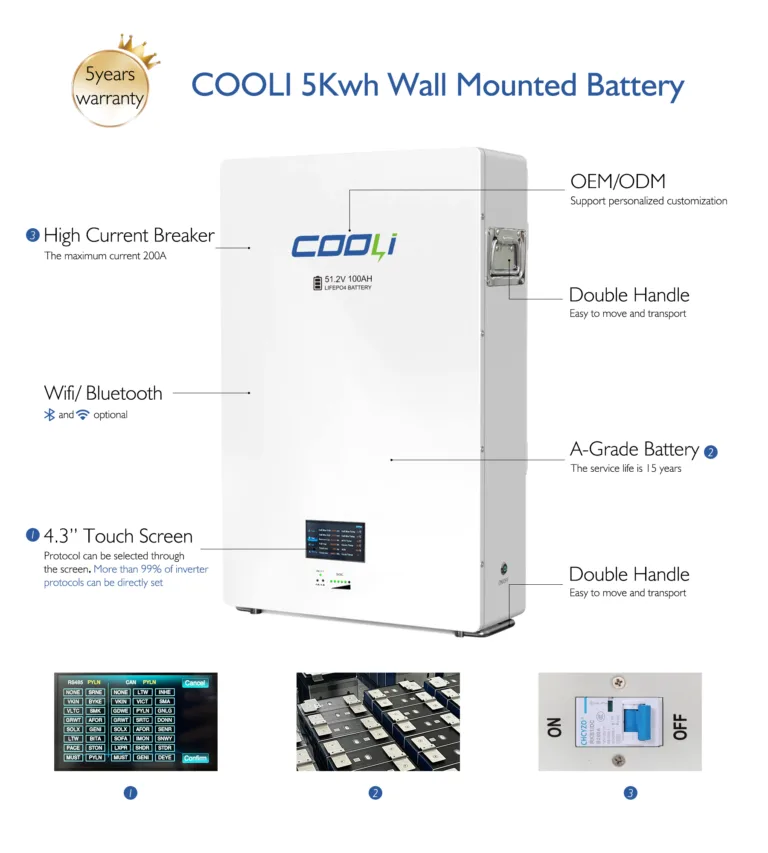
What is a Wall Battery?
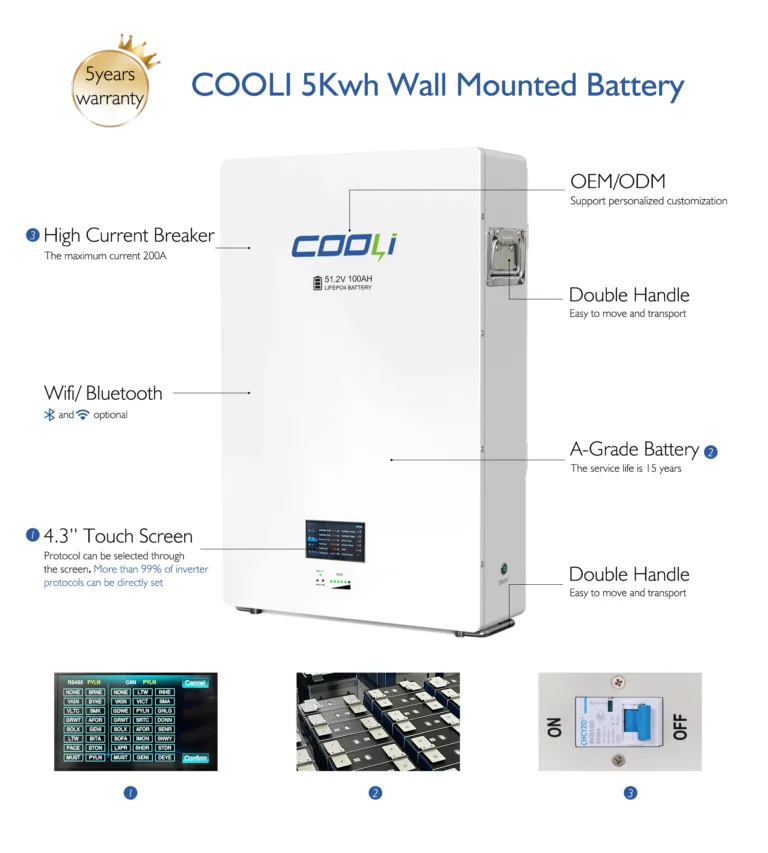
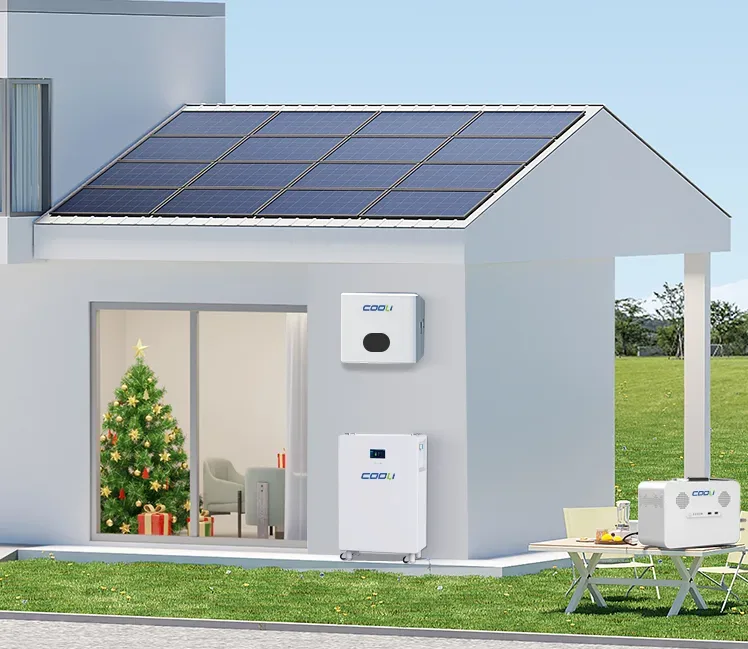
Awall-mounted battery is a compact, vertically installed energy storage unit designed to save floor space. These systems are popular in residential and small commercial settings due to their sleek, all-in-one design. Think of brands like Tesla Powerwall or LG Chem RESU—they’re often marketed as “plug-and-play” solutions for homeowners.
Key Features of Wall Batteries:
- Space-saving design: Mounts directly to a wall.
- Integrated components: Built-in inverters, cooling systems, and monitoring.
- Aesthetic appeal: Discreet, modern look.
- Lower capacity: Typically 5–15 kWh per unit.
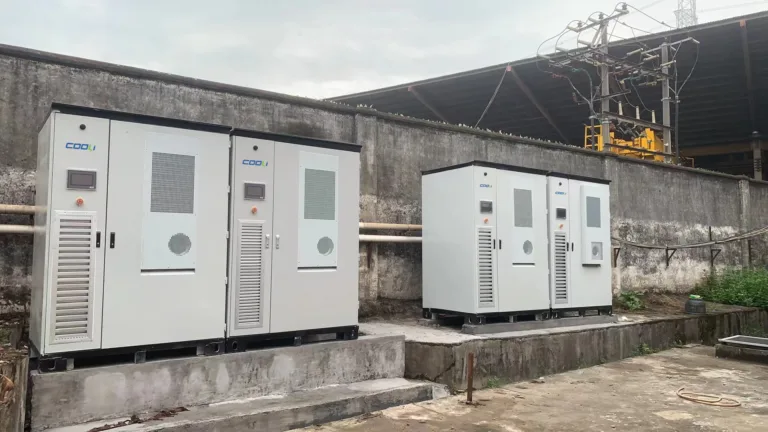
What is a Rack Battery?
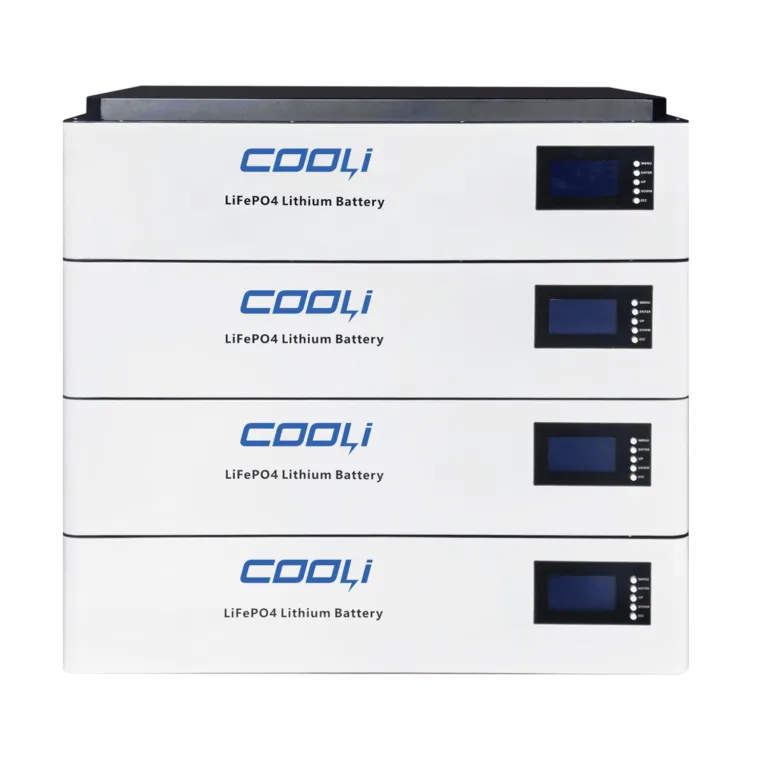
Aserver rack battery (or rack-mounted battery) is a modular, scalable system designed to fit into standardized server racks. These are commonly used in data centers, large-scale solar farms, and commercial/industrial applications. Examples include brands like BYD Battery-Box or Fortress Power’s eVault.
Key Features of Rack Batteries:
- Modular scalability: Stack multiple batteries in a rack for higher capacity.
- Industrial-grade durability: Built for heavy cycling and long lifespans.
- Cost-effective expansion: Add units incrementally as needs grow.
- Higher capacity: Systems can exceed 100 kWh when expanded.
Wall vs Rack Battery: 7 Brutal Truths
Let’s break down the critical factors that could make or break your decision:
1. Installation Space & Flexibility
- Wall Battery: Ideal for tight spaces (例如, garages, small utility rooms). 然而, placement is fixed once installed.
- Rack Battery: Requires floor space for a rack but offers flexible configuration. Winner for scalability.
2. Upfront Cost vs Long-Term Value
- Wall Battery: Lower upfront cost (~$7,000–$15,000) but limited expansion options.
- Rack Battery: Higher initial investment for the rack and components but cheaper per kWh over time. Winner for long-term ROI.
3. 容量 & Energy Needs
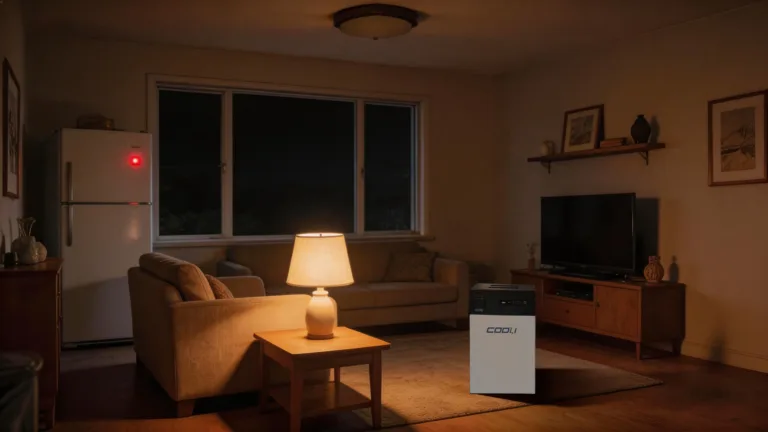
- Wall Battery: Best for daily home use (例如, offsetting peak rates, short outages).
- Rack Battery: Built for high-demand scenarios (例如, 离网生活, commercial backup). Winner for high energy demands.
4. 维护 & Repairs
- Wall Battery: Sealed units mean minimal maintenance but costly replacements if a component fails.
- Rack Battery: Individual modules can be swapped out, reducing downtime. Winner for repairability.
5. Lifespan and Durability
- Wall Battery: 10–15 年 (varies by brand and usage).
- Rack Battery: Often 15–20+ years due to industrial-grade cells and replaceable parts. Winner for longevity.
6. Aesthetic vs Functionality
- Wall Battery: Blends into homes seamlessly.
- Rack Battery: Utilitarian look but prioritizes performance. Winner depends on priorities.
7. 安全 & 冷却
- Wall Battery: Passive cooling may struggle in high-heat environments.
- Rack Battery: Active cooling systems in racks ensure stable temperatures. Winner for thermal management.
Who Should Choose Which?
- Wall Batteries Are For You If:
- You’re a homeowner with limited space.
- You prioritize simplicity and aesthetics.
- Your daily energy needs are under 20 千瓦时.
- Rack Batteries Are For You If:
- You need scalable storage (例如, growing solar array).
- You’re off-grid or require backup for critical systems.
- Cost per kWh and long-term reliability are top priorities.
The Bottom Line
There’s no universal “better” option—only what’s better foryour situation. Wall batteries excel in simplicity and space efficiency, while rack batteries dominate in scalability and durability. Before buying, ask:
- How much energy do I need now vs in 5 年?
- Can I afford to upgrade later, or do I need a future-proof system?
- Is aesthetics or raw performance more important?
By weighing these truths, you’ll avoid costly regrets and invest in a battery system that truly aligns with your goals.
Need help deciding? Share your use case in the comments, and we’ll guide you toward the right choice!
5千瓦时 5kWh 家用备用电池 10千瓦时磷酸铁锂电池 16面向批发合作伙伴的 kWh LiFePO4 解决方案 多合一 BESS集装箱4MWh沙特 BESS制造商中国 最便宜的家用电池 中国BESS解决方案 中国工厂磷酸铁锂电池 中国电网级电池储能系统 肯尼亚商业电池存储 直流储能系统解决方案 直接发往 DRC 的 DDP 解决方案 中国直飞非洲 中国直飞非洲电池 刚果民主共和国海外仓 储能电池 储能系统 A级电池 电网规模电池存储供应商 荷兰家庭的家用电池 家庭储能 工业 BESS 肯尼亚 磷酸铁锂电池 南非的磷酸铁锂电池 LifePo4电池 磷酸铁锂电池制造商 LifePO4电池技术 LiFePO4 ESS 肯尼亚 锂离子电池 锂离子电池 更低的价格 最低价格 乌干达 市场趋势 欧洲家庭离网太阳能电池 室外液冷柜 通过可定制的 BESS 彻底改变业务能力 沙特磷酸铁锂采购 适用于工业的可扩展 BESS 解决方案 太阳能板 太阳系 堆叠一体式 批发磷酸铁锂太阳能电池 批发太阳能电池