300Ah LiFePO4 akku: Keskeisiin kysymyksiin vastattu
The300Ah LiFePO4 akku on saavuttanut suosiota uusiutuvan energian järjestelmissä, Matkailuautot, merisovelluksia, ja off-grid -asetukset suuren kapasiteetin ansiosta, turvallisuutta, ja pitkä käyttöikä. Kuitenkin, käyttäjillä on usein kysymyksiä sen toimivuudesta, rajoituksia, ja tekniset tiedot. Tämä artikkeli käsittelee yleisimmät kyselyt, tarjoaa kattavan oppaan potentiaalisille ostajille ja harrastajille.
1. Mitkä ovat LiFePO4-akkujen haitat??
Vaikka LiFePO4 (Litium-rautafosfaatti) akut ovat tunnettuja turvallisuudestaan ja kestävyydestään, niillä on joitain rajoituksia:
- Pienempi energiatiheys: Verrattuna muihin litiumionikemiallisiin aineisiin (esim., NMC tai LCO), LiFePO4 varastoi vähemmän energiaa paino- tai tilavuusyksikköä kohti, mikä tekee niistä isompia paljon energiaa kuluttaviin sovelluksiin, kuten älypuhelimiin tai sähköautoihin.
- Korkeammat alkukustannukset: Vaikka kustannustehokas ajan mittaan pitkän käyttöiän ansiosta, ennakkohinnat ovat 2–3 kertaa korkeammat kuin lyijyakut.
- Lämpötilaherkkyys: Suorituskyky heikkenee äärimmäisessä kylmässä (alle -20°C) tai lämpöä (yli 60°C). Vaikka ne sietävät laajempia alueita kuin lyijyhappo, pitkäaikainen altistuminen korkeille lämpötiloille heikentää kapasiteettia.
- Hitaampi lataus: LiFePO4 latautuu yleensä hitaammin kuin muut litiummuunnelmat, vaativat erikoislaturit vaurioiden välttämiseksi.
Näistä haitoista huolimatta, niidenturvallisuutta (palamaton jopa rasituksessa) jasyklin käyttöikä (2,000-5000+ sykliä) tekevät niistä ihanteellisia aurinkoenergian varastointiin, Matkailuautot, ja varavirtaa.
2. Kuinka kauan 300 Ah LiFePO4-akku kestää?
300 Ah:n akun käyttöaika riippuu:
- Kuormitusvoima: 500W laitteelle, käyttöaika = Akun energia(kWh)/Kuormitusvoima(kW)
- Purkaussyvyys (DoD): LiFePO4-akut voivat purkaa turvallisesti 80–90 %:iin DoD ilman merkittävää heikkenemistä.
Esimerkki:
Varastossa on 48 V 300 Ah LiFePO4 akku14.4 kWh (48V × 300 Ah). klo 80% DoD (11.5 kWh käyttökelpoinen), 1 kW:n kuormitus kestäisi ~11,5 tuntia. 300 W RV-jääkaappiin, käyttöaika ulottuu ~38 tuntiin.
3. Kuinka monta kWh on 48V 300Ah akku?
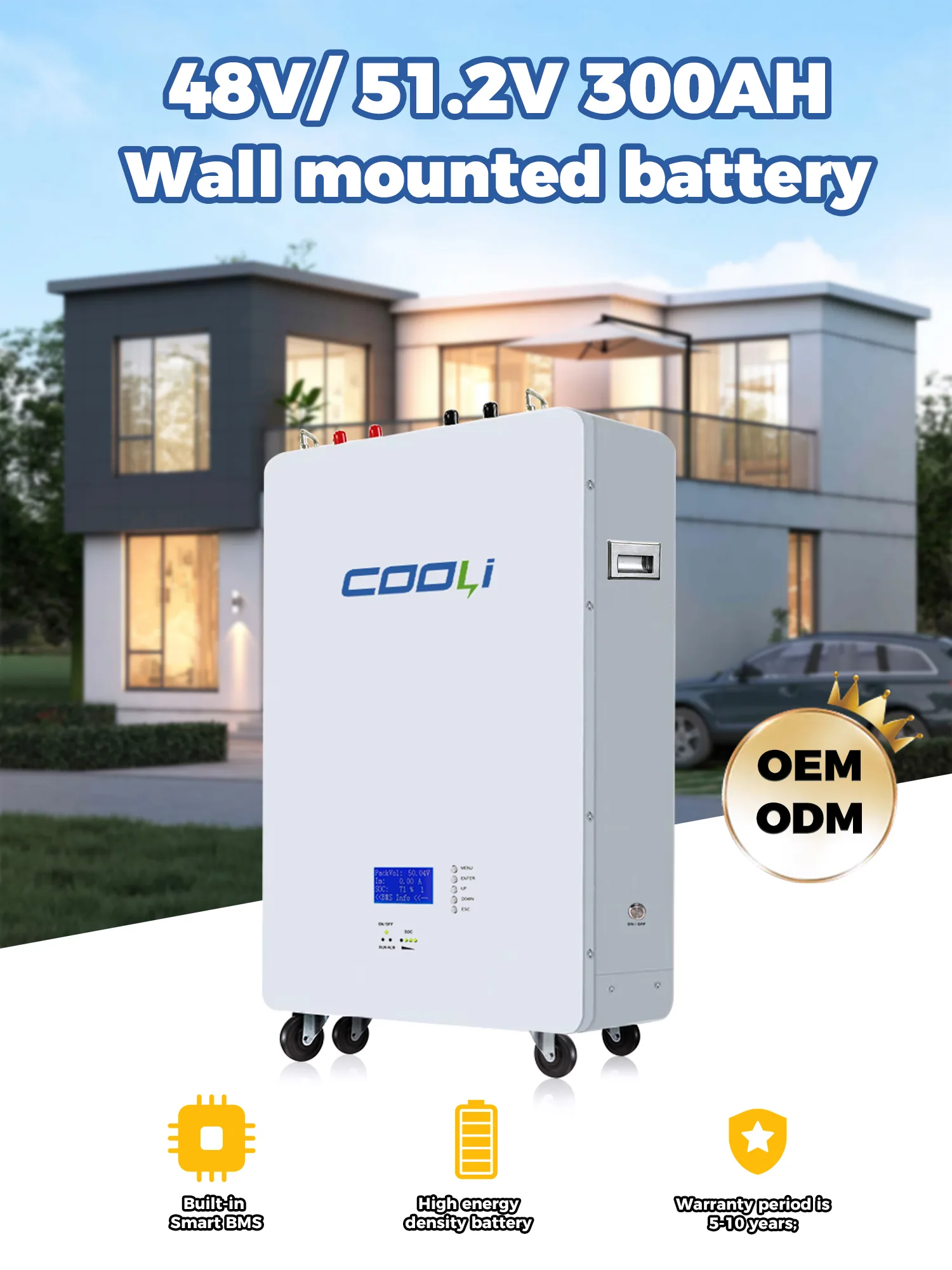
A48V 300Ah LiFePO4 akku toimittaa:
48V× 300Ah= 14 400Wh= 14,4 kWh
Tämä kapasiteetti sopii suuriin sovelluksiin, kuten aurinkovarastointijärjestelmiin tai sähköajoneuvoihin. Vertailun vuoksi:
- 12V 300Ah akku tarjoaa3.84 kWh (12V × 300 Ah).
- Korkeampi jännite (esim., 51.2V) kokoonpanot parantavat tehokkuutta teollisissa kokoonpanoissa.
4. 25.6Vuonna vs. 51.2V: Mitä eroa on?
LiFePO4-akut ovat modulaarisia, mahdollistaa sarjakytkentöjen korkeamman jännitteen saavuttamisen:
- 25.6V: Tyypillisesti 8-kennoinen kokoonpano (8 × 3,2 V per kenno), käytetään keskikokoisissa järjestelmissä, kuten golfkärryissä tai pienissä aurinkosähköjärjestelmissä.
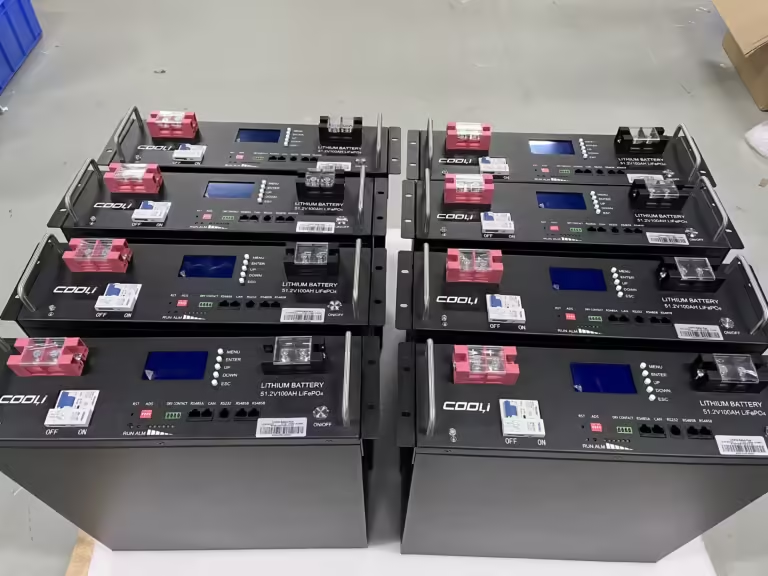
- 51.2V: 16 solun kokoonpano, ihanteellinen suuritehoisiin sovelluksiin, kuten palvelintelineisiin tai kaupallisiin energian varastointiin.
Keskeinen huomio: Korkeampi jännite vähentää virtaa, minimoida energiahävikki johdotuksessa ja parantaa tehokkuutta suurissa asennuksissa.

5. Onko LiFePO4 parempi kuin muut litiumakut?
LiFePO4 on erinomainenturvallisuutta japitkäikäisyys mutta energiatiheys on jäljessä litiumioniin verrattuna (Li-ion) muunnelmia:
| Ominaisuus | LiFePO4 | Perinteinen Li-ion |
|---|---|---|
| Turvallisuus | Palamaton, vakaa | Lämpökarkaamisen vaara |
| Cycle Life | 2,000-5000+ sykliä | 500-1000 sykliä |
| Energiatiheys | 90–120 Wh/kg | 150-200 Wh/kg |
| Maksaa | Korkeampi edestä | Alempi edessä |
Paras:
- LiFePO4: Aurinkoenergiavarasto, Matkailuautot, meren-, varavirtaa.
- Li-ion: Kulutuselektroniikka, Pientä kokoa vaativat sähköautot.
6. Tärkeimmät huomiot 300 Ah LiFePO4-akuille
- BMS (Akun hallintajärjestelmä): Varmistaa suojan ylilataukselta, ylipurkaus, ja oikosulkuja.
- Yhteensopivuus: Käytä LiFePO4-spesifisiä latureita (esim., 14.6V 12V järjestelmille) vahinkojen välttämiseksi.
- Varastointi: Varastoi 50–80 % latauksella viileässä, kuivissa olosuhteissa käyttöiän pidentämiseksi.
Johtopäätös
The300Ah LiFePO4 akku on vankka valinta suurelle kapasiteetille, pitkän aikavälin energiatarpeet, tasapainottava turvallisuus, ja luotettavuus. Vaikka sillä on rajoituksia, kuten pienempi energiatiheys ja korkeammat alkukustannukset, sen edut käyttöiässä ja lämpöstabiilisuudessa tekevät siitä parhaan haastajan uusiutuvan energian ja verkon ulkopuolisissa sovelluksissa.
Räätälöityihin ratkaisuihin, tutustu tuotteisiin, kutenLifepo4 akku 300ah tai modulaarisia 48 V palvelinteline-akkuja. Tarkista aina tekniset tiedot valmistajilta, jotta ne vastaavat järjestelmäsi vaatimuksia.
10kWh LiFePO4-akut 10kWh aurinkoakun kustannukset Myanmarissa 25kWh Akkujärjestelmät All-in-One BESS Container 4MWh Saudi BESS Valmistaja Kiina Halvin kodin akku Kiina BESS Solutions Kiina DDP tukkumyynti Kiinan tehtaan LiFePO4-akut Kiinan Grid-Scale BESS Kiinalaiset OEM-toimittajat Kaupallinen akkuvarasto Kenia DC ESS -ratkaisut DDP-ratkaisu suoraan DRC:hen Suora Kiina Afrikkaan Suora Kiinasta Afrikkaan -akku energiaa varastoitava akku Energian varastointijärjestelmät Maailmanlaajuiset litiumakkujen johtajat A-luokan akku Verkkokokoisten akkujen varastointitoimittaja Kotiparistot hollantilaisille perheille kodin energian varastointi Teollinen BESS Kenia Lyijy-happo vs. Litiumioniakut LiFePO4 LiFePO4 akut LiFePO4-akut Etelä-Afrikassa LifePo4 akku LifePO4-akkutekniikka LiFePO4-jakelija Irakissa LiFePO4 ESS Kenia Lithium-Ion-akku litiumioniakku Alemmat hinnat Markkinatrendit Nestejäähdytyskaappi ulkokäyttöön Saudi LiFePO4 -hankinnat Skaalautuvat BESS-ratkaisut teollisuudelle Aurinkopaneelit aurinkokunta Pinoaminen All-in-One LiFePO4-aurinkoparistojen tukkumyynti Aurinkoparistojen tukkumyynti