
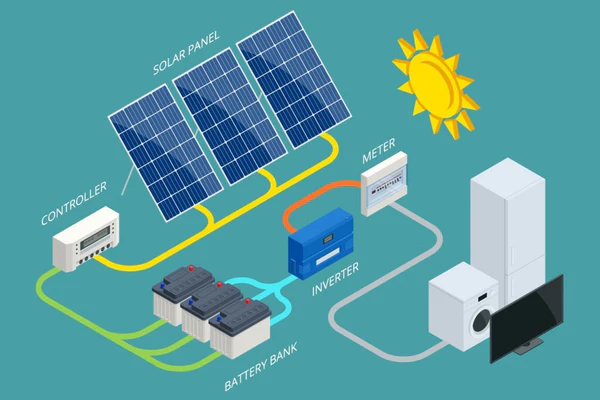
Kuinka laskea aurinkopariston kapasiteetti? 3 Vaiheet täydelliseen kokoon
(Käytännön opas afrikkalaisille kodeille ja yrityksille, keskittyen Etelä-Afrikkaan)
Aurinkoenergian akun kapasiteetti vastaa Afrikan kuormitusaikatauluja
Etelä-Afrikan kaltaisilla alueilla ja muilla Afrikan osilla, toistuvat sähkökatkot ja epäluotettava verkkosähkö tekevät aurinkoenergiajärjestelmistä elinkeinon koteille ja yrityksille. Kriittinen komponentti kaikissa aurinkosähköjärjestelmissä on akku, joka varastoi energiaa käytettäväksi, kun aurinko ei paista. Kuitenkin, väärän akun kapasiteetin valinta voi johtaa rahan hukkaan, riittämätön teho, tai lyhentynyt akun käyttöikä.
Tämä opas erittelee laskentaprosessin aurinkopariston kapasiteetti kolmeen yksinkertaiseen vaiheeseen, räätälöity Afrikan ainutlaatuisiin energiatarpeisiin, ilmasto, ja aurinkopotentiaalia.

Vaihe 1: Määritä päivittäinen energiankulutuksesi
Ennen akun koon määrittämistä, sinun täytyy tietääkuinka paljon energiaa kotitaloutesi tai yrityksesi käyttää päivittäin.
- Listaa kaikki sähkölaitteet aiot käyttää aurinkoenergiaa.
- Tyypillisiä laitteita afrikkalaisissa kotitalouksissa: LED valot (5-10W), jääkaapit (100-200W), televisiot (50-100W), faneja (50W), mobiililaturit (10W), ja pienet vesipumput (200-500W).
- Yrityksille: Tietokoneet, reitittimet, turvakamerat, tai koneita.
- Laske päivittäinen energiankulutus (wattitunteina, Wh):
- Tehoa (W) × Käyttötunteja päivässä = Päivittäinen energia laitetta kohti.
- Esimerkki:
- 5 LED valot (10W kukin) × 6 tuntia = 300 Wh
- Jääkaappi (150W) × 24 tuntia (syklit päälle/pois) ≈ 900 Wh
- TV (80W) × 4 tuntia = 320 Wh
- Päivittäinen kokonaisenergia = 300 + 900 + 320 = 1,520 Wh (1.52 kWh)
- Tehottomuustekijä:
- Aurinkoenergiajärjestelmät menettävät energiaa invertterin tehottomuuden vuoksi (~10–20 %) ja akun lataus-/purkaushäviöt (~10–15 %).
- Kerro päivittäisen kokonaisenergian määrä1.3 (30% puskuri):
- 1.52 kWh × 1.3 = ~2 kWh päivässä.
Vaihe 2: Laske akun kapasiteetti autonomiapäivien perusteella
Akun kapasiteetti riippuukuinka monta päivää tarvitset varavirtaa (autonomiapäiviä). Etelä-Afrikassa, missä kuormitus on yleistä, 2– 3 päivän autonomia on käytännöllistä.
1.Kaava:
Akun kapasiteetti(kWh)= Päivittäinen energia(kWh)×Autonomiapäivät
- Esimerkki: varten 2 itsenäisyyden päivää:
2 kWh/päivä × 2 päivää = 4 kWh
2.Muunna kWh ampeeritunteiksi (Ah):
- Akkujen nimellisarvo on Ah tietyllä jännitteellä (esim., 12V, 24V, 48V).
- Kaava:

- Esimerkki: 48V järjestelmään:

3.Purkauksen syvyystekijä (DoD):
- Useimmat akut (esim., litium-ioni) ei saa purkaa alle 80–90 % DoD. Lyijyakkuja on rajoitettu 50% DoD.
- Säädä kapasiteettia:

- Esimerkki: Litium-ionille (90% DoD):

Vaihe 3: Yhdistä akun kapasiteetti aurinkopaneelin lähtöön
Akun on oltava linjassa aurinkopaneelijärjestelmän latauskyvyn kanssa.
- Tarkista päivittäinen aurinkoenergian tuotanto:
- Etelä-Afrikan keskiarvot4-6 aurinkotuntia päivittäin (vaihtelee sesongin mukaan).
- Kaava:Aurinkopaneelin lähtö(Wh)=Paneelin teho × aurinkotunnitAurinkopaneelin lähtö(Wh)=Paneelin teho × aurinkotunnit
- Esimerkki: 400W paneelit × 5 aurinkotunnit = 2,000 Wh (2 kWh).
- Varmista, että paneelit voivat ladata akun uudelleen:
- Päivittäisen aurinkoenergian tuotannon tulisi ylittää päivittäisen energiankulutuksen.
- Esimerkki: Jos käytät 2 kWh/päivä ja tuottaa 2 kWh/päivä, tarvitset lisäkapasiteettia pilvisiä päiviä varten.
- Ota huomioon järjestelmän laajennus:
- Lisää 20–30 % lisäakkukapasiteettia tulevia tarpeita varten (esim., laitteiden lisääminen).
Tärkeimmät huomiot afrikkalaisille käyttäjille
- Akkutyyppi:
- Litium-ioni: Pidempi käyttöikä (10+ vuotta), korkeampi DoD (90%), mutta kallista.
- Lyijy-happo: Halvempi mutta lyhyempi käyttöikä (3-5 vuotta) ja pienempi DoD (50%).
- Lämpötila:
- Korkeat lämpötilat (yleistä Afrikassa) vähentää akun tehoa. Asenna paristot varjostettuun paikkaan, tuuletetut tilat.
- Paikallinen tuki:
- Valitse tuotemerkit, joilla on palvelukeskuksia alueellasi (esim., Huawei, Victron Energy, tai paikallisilta toimittajilta).
Esimerkki laskelmasta eteläafrikkalaiselle kotitaloudelle
- Kodinkoneet: 10 valot (100W yhteensä), jääkaappi (150W), TV (80W), tuuletin (50W).
- Päivittäistä energiaa: 1.5 kWh + 30% puskuri = 1.95 kWh.
- Autonomia: 2 päivää → 3.9 kWh.
- Akun jännite: 48V → 3.9 kWh × 1,000 / 48V = 81.25 Ah.
- Litium-ioni (90% DoD): 81.25 Ah / 0.9 ≈ 90 Ah.
- Suositeltu akku: 100 Ah litiumionia (48V).
Viimeiset vinkit
- Käytä aurinkolaskuria tarkkuuden saavuttamiseksi.
- Pyydä paikallisia asentajia vahvistamaan suunnittelusi.
- Aseta energiatehokkaat laitteet etusijalle akun koon ja kustannusten pienentämiseksi.
Seuraamalla näitä ohjeita, varmistat, että aurinkoenergiajärjestelmäsi vastaa tarpeitasi, selviytyy kuorman pudotuksesta, ja kestää Afrikan ilmastoa. 🌞🔋
Lue lisää:
- [Ultimate Guide to 48V 100Ah litiumakku seinäasennus: Vastaaminen 5 Tärkeimmät usein kysytyt kysymykset]
- [48V 200Ah aurinkoakku Uganda: Ratkaise katkokset & Säästä kustannuksia]
10kWh LiFePO4-akut 10kWh aurinkoakun kustannukset Myanmarissa 25kWh Akkujärjestelmät All-in-One BESS Container 4MWh Saudi BESS Valmistaja Kiina Halvin kodin akku Kiina BESS Solutions Kiina DDP tukkumyynti Kiinan tehtaan LiFePO4-akut Kiinan Grid-Scale BESS Kiinalaiset OEM-toimittajat Kaupallinen akkuvarasto Kenia DC ESS -ratkaisut DDP-ratkaisu suoraan DRC:hen Suora Kiina Afrikkaan Suora Kiinasta Afrikkaan -akku energiaa varastoitava akku Energian varastointijärjestelmät Maailmanlaajuiset litiumakkujen johtajat A-luokan akku Verkkokokoisten akkujen varastointitoimittaja Kotiparistot hollantilaisille perheille kodin energian varastointi Teollinen BESS Kenia Lyijy-happo vs. Litiumioniakut LiFePO4 LiFePO4 akut LiFePO4-akut Etelä-Afrikassa LifePo4 akku LifePO4-akkutekniikka LiFePO4-jakelija Irakissa LiFePO4 ESS Kenia Lithium-Ion-akku litiumioniakku Alemmat hinnat Markkinatrendit Nestejäähdytyskaappi ulkokäyttöön Saudi LiFePO4 -hankinnat Skaalautuvat BESS-ratkaisut teollisuudelle Aurinkopaneelit aurinkokunta Pinoaminen All-in-One LiFePO4-aurinkoparistojen tukkumyynti Aurinkoparistojen tukkumyynti

Yksi kommentti