
Litiumparistot aurinkosähköjärjestelmissä: 5 Tärkeimmät tehokkuutta lisäävät edut 90%
Litium akut ovat mullistaneet aurinkoenergian varastoinnin, tarjoaa erinomaisen suorituskyvyn perinteisiin lyijyhappovastineisiin verrattuna. Alla on yksityiskohtainen selvitys niiden roolista aurinkokunnissa, teknisten oivallusten ja todellisten sovellusten tukemana.
1. Keskeiset edut Litiumparistot aurinkosähköjärjestelmissä
A. Korkea tehokkuus & Energiatiheys
- Edestakainen tehokkuus: Litiumakkujen hyötysuhde on 95–99 %, verrattuna lyijyhapon 70–85 prosenttiin, energiahäviön minimoiminen lataus-/purkausjaksojen aikana 13.
- Energiatiheys: Litiumpakkaukset varastoivat 3 kertaa enemmän energiaa tilavuusyksikköä kohti, vähentää tilantarvetta 70 % 18. Esimerkiksi, a 5.12 kWh litiumjärjestelmä vie puolet tilasta lyijy-happokokoonpanosta, jolla on samanlainen kapasiteetti.
B. Pidentynyt käyttöikä & Kustannustehokkuus
- Cycle Life: LiFePO4 (litiumrautafosfaatti) akut kestävät 2 000–10 000 sykliä 80% purkaussyvyys (DoD), kestävä lyijyhappo (300-500 sykliä klo 50% DoD) 13. Yli 15 vuotta, litiumin ennakkohinta (2–3× korkeampi) korvataan pienemmällä vaihdolla, tuottaa 40–50 % pienemmät käyttöiän kustannukset 3.
- Huoltovapaa: Toisin kuin lyijyakut, jotka vaativat veden täyttöä ja sulfaatiotarkistuksia, litiumjärjestelmät toimivat ilman huoltoa 28.
C. Pikalataus & Lämpötilan sietokyky
- Latausnopeus: Litium latautuu 2–5 tunnissa vs. 8-10 tuntia lyijyhapolle, mahdollistaa nopean energian talteenoton huippu auringonvalon aikana 13.
- Lämpötila-alue: Toimii tehokkaasti -20°C - 60°C lämpötilassa (-4°F - 140 °F) purkamista varten ja 0°C - 49°C (32°F - 120 °F) lataamista varten. Edistyneissä malleissa on itselämpeneminen pakkasympäristöihin 38.
2. Sovellukset aurinkosähköjärjestelmissä
A. Asuin & Kaupallinen aurinkovarasto
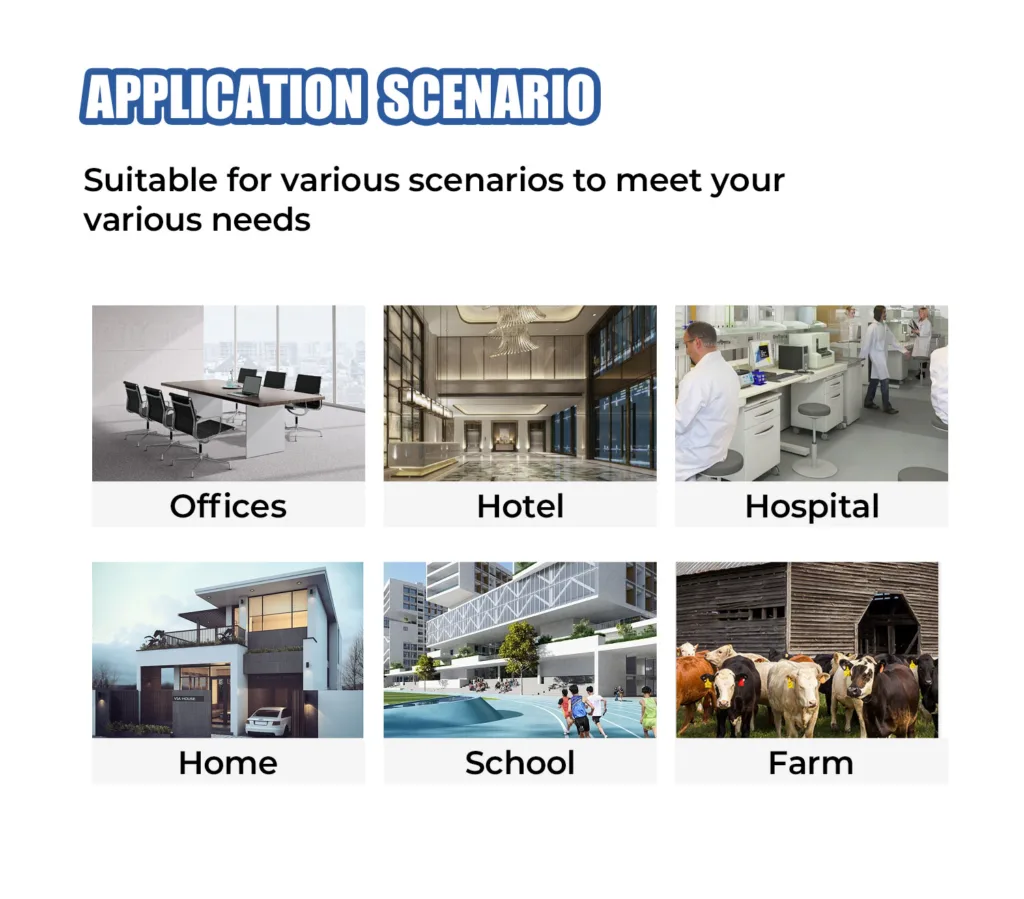
- Energiariippumattomuus: Varaa ylimääräinen aurinkosähkö yökäyttöä tai verkkokatkoksia varten, vähentää riippuvuutta sähköverkoista 48.
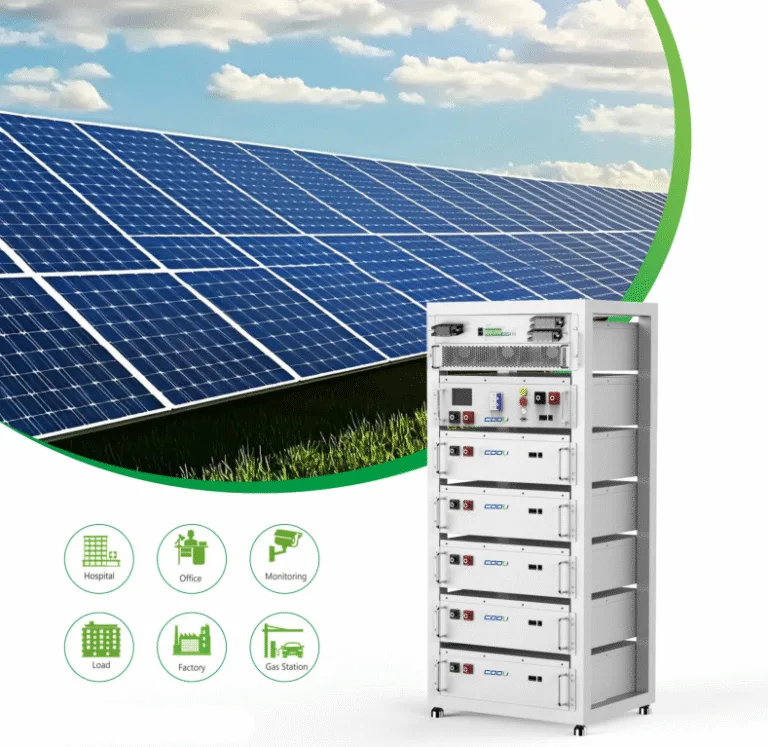
- Skaalautuvuus: Modulaariset litiumjärjestelmät (esim., BSLBATTin 5,12kWh–10,24kWh yksiköt) mahdollistaa helpon kapasiteetin laajentamisen 8.
B. Off-Grid & Etäratkaisut
- Telttailu/RVt: Kevyet litiumpakkaukset (60% kevyempi kuin lyijyhappo) ovat ihanteellisia mobiiliasetuksiin 8.
- Teollinen varmuuskopio: Käytetään telemetriassa, etävalvonta, ja kriittinen infrastruktuuri luotettavuuden ja pitkän käyttöiän ansiosta 24.
C. Verkkotuki & Mikroverkot
- Peak Shaving: Vähennä verkon tarvetta korkean energian aikoina hyödyntämällä varastoitua aurinkoenergiaa 4.
- Taajuusasetus: Litiumin nopea reagointi stabiloi verkkoja uusiutuvissa hybridijärjestelmissä 10.
3. Innovations Driving Adoption
A. Integroidut aurinkoenergian varastointijärjestelmät
- Monoliittiset mallit: Tutkijat ovat yhdistäneet piiaurinkokennot solid-state-litiumparistoihin, saavuttaa 15.8% aurinkoenergian tehokkuutta varastointiin. Nämä järjestelmät latautuvat 45 sekuntia auringonvalossa ja ylläpitää korkeaa purkausnopeutta (28C) 9.
B. Solid State & Lithium Alloy Tech
- Puolijohde-akut: Lisää turvallisuutta vaihtamalla syttyvät nestemäiset elektrolyytit. Viimeaikaiset tutkimukset tuovat esiin haasteita (esim., Li-In-dendriitit sulfidielektrolyyteissä), mutta edistyminen käyttöliittymäsuunnittelussa lupaa 710.
- Litium-seostetut aurinkokennot: Paranna säteilynkestävyyttä avaruussovelluksissa, mahdollistaa itsensä palautumisen korkean energian hiukkasvaurioista 6.
C. Kestävyys & Kierrätys
- Pienempi hiilijalanjälki: Litiumjärjestelmät vähentävät kasvihuonekaasupäästöjä 43–57 % verrattuna lyijyhappoon niiden elinkaaren aikana 10.
- Kierrätysinfrastruktuuri: Kasvavat aloitteet elpyvät >90% litiumista, koboltti, ja nikkeliä, resurssien niukkuuteen puuttuminen 10.
4. Haasteet & Tulevaisuuden näkymät
A. Nykyiset rajoitukset
- Ennakkokustannukset: Alkuinvestointi on edelleen korkea, vaikka hinnat ovat laskeneet 80% vuodesta 2010 8.
- Kylmä lataus: Vaatii lämmitysjärjestelmän alle 0°C, lisää monimutkaisuutta 3.
B. Nousevat trendit
- Natrium-ioni-hybridit: Halvempi ja runsaampi kuin litium, natrium-ioni-akut (SIB:t) ovat saamassa vetoa edulliseen verkkovarastointiin, vaikka energiatiheys on 10 jälkeen.
- AI-ohjattu hallinta: Älykäs BMS (Akunhallintajärjestelmät) optimoida latausjaksot ja ennustaa vikoja, käyttöiän pidentäminen 14.
5. Päätösopas: Onko litium oikea sinulle?
| Tekijä | Litium | Lyijy-happo |
|---|---|---|
| Alkukustannukset | Korkea (1,750–1 750–2 500/kWh) | Matala (500–500–1000/kWh) |
| Elinikäiset kustannukset | Alentaa (10-15 vuotta) | Korkeampi (3-5 vuotta) |
| Tila/paino | Kompakti, kevyt | Tilava, raskas |
| Huolto | Ei mitään | Säännölliset tarkastukset |
| Ympäristövaikutus | Pienempi hiilijalanjälki | Lyijysaastumisriskit |
Suositus: Valitse litium pitkän aikavälin säästöjä varten, korkea hyötysuhde, ja skaalautuvuus. Valitse lyijyhappo vain, jos budjettirajoitukset ovat suorituskykytarpeita suuremmat.
10kWh LiFePO4-akut 10kWh aurinkoakun kustannukset Myanmarissa 25kWh Akkujärjestelmät All-in-One BESS Container 4MWh Saudi BESS Valmistaja Kiina Halvin kodin akku Kiina BESS Solutions Kiina DDP tukkumyynti Kiinan tehtaan LiFePO4-akut Kiinan Grid-Scale BESS Kiinalaiset OEM-toimittajat Kaupallinen akkuvarasto Kenia DC ESS -ratkaisut DDP-ratkaisu suoraan DRC:hen Suora Kiina Afrikkaan Suora Kiinasta Afrikkaan -akku energiaa varastoitava akku Energian varastointijärjestelmät Maailmanlaajuiset litiumakkujen johtajat A-luokan akku Verkkokokoisten akkujen varastointitoimittaja Kotiparistot hollantilaisille perheille kodin energian varastointi Teollinen BESS Kenia Lyijy-happo vs. Litiumioniakut LiFePO4 LiFePO4 akut LiFePO4-akut Etelä-Afrikassa LifePo4 akku LifePO4-akkutekniikka LiFePO4-jakelija Irakissa LiFePO4 ESS Kenia Lithium-Ion-akku litiumioniakku Alemmat hinnat Markkinatrendit Nestejäähdytyskaappi ulkokäyttöön Saudi LiFePO4 -hankinnat Skaalautuvat BESS-ratkaisut teollisuudelle Aurinkopaneelit aurinkokunta Pinoaminen All-in-One LiFePO4-aurinkoparistojen tukkumyynti Aurinkoparistojen tukkumyynti
Yksi kommentti