image 4 png
|

Lithium Batteries in Solar Systems: 5 Key Benefits to Boost Efficiency 90%

锂电池 have revolutionized solar energy storage, offering superior performance over traditional lead-acid counterparts. Below is a detailed exploration of their role in solar systems, supported by technical insights and real-world applications.

Lithium Batteries in Solar Systems: 5 Key Benefits to Boost Efficiency 90%

1. Core Advantages of Lithium Batteries in Solar Systems

A. High Efficiency & Energy Density

  • Round-Trip Efficiency: Lithium batteries achieve 95–99% efficiency, compared to 70–85% for lead-acid, minimizing energy loss during charging/discharging cycles 13.
  • Energy Density: Lithium packs store 3× more energy per unit volume, reducing space requirements by 70% 18. 例如, a 5.12 kWh lithium system occupies half the space of a lead-acid setup with similar capacity.

B. Extended Lifespan & Cost-Effectiveness

  • 循环寿命: 磷酸铁锂 (lithium iron phosphate) batteries endure 2,000–10,000 cycles at 80% 放电深度 (国防部), outlasting lead-acid (300–500 cycles at 50% 国防部) 13. Over 15 年, lithium’s upfront cost (2–3× higher) is offset by fewer replacements, yielding 40–50% lower lifetime costs 3.
  • 免维护: Unlike lead-acid batteries requiring water refills and sulfation checks, lithium systems operate with zero maintenance 28.

C. Fast Charging & 温度适应能力

  • Charging Speed: Lithium charges in 2–5 hours vs. 8–10 hours for lead-acid, enabling rapid energy capture during peak sunlight 13.
  • 温度范围: Operates efficiently in -20°C to 60°C (-4°F to 140°F) for discharge and 0°C to 49°C (32°F to 120°F) for charging. Advanced models include self-heating for sub-zero environments 38.

Applications in Solar Systems

2. Applications in Solar Systems

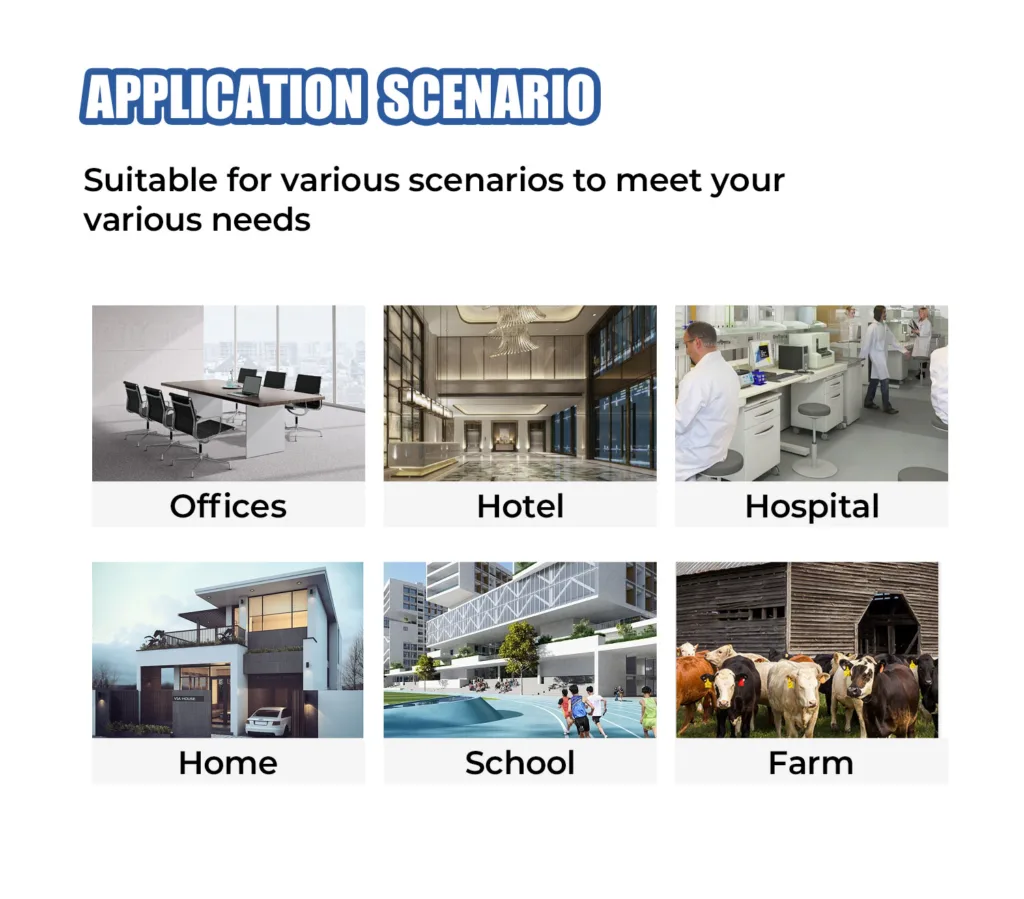
A. Residential & Commercial Solar Storage

  • Energy Independence: Store excess solar power for nighttime use or grid outages, reducing reliance on utility grids 48.
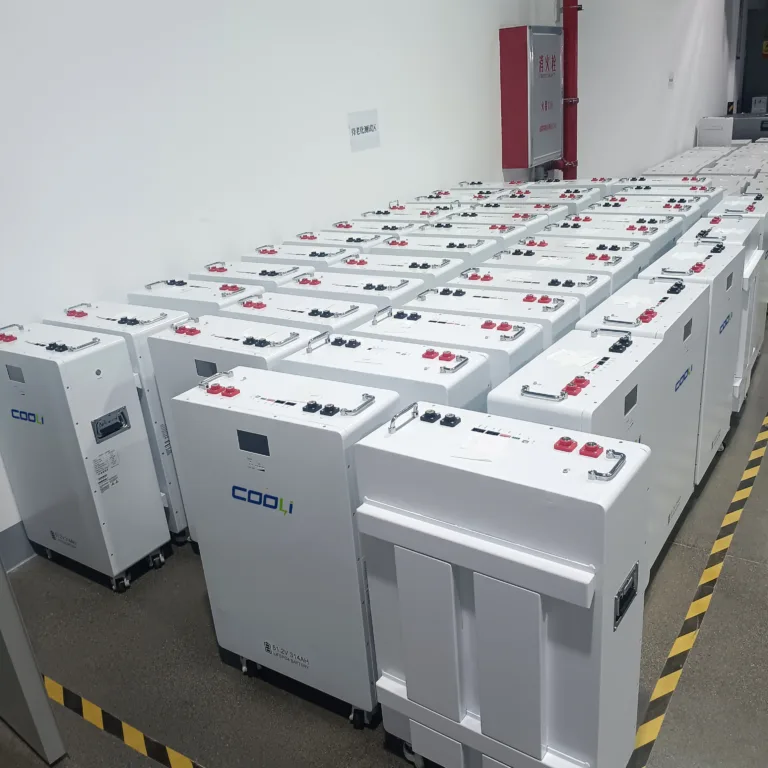
  • 可扩展性: Modular lithium systems (例如, BSLBATT’s 5.12kWh–10.24kWh units) allow easy capacity expansion 8.

B. Off-Grid & Remote Solutions

  • Camping/RVs: Lightweight lithium packs (60% lighter than lead-acid) are ideal for mobile setups 8.
  • Industrial Backup: Used in telemetry, remote monitoring, and critical infrastructure due to reliability and long lifespan 24.

C. Grid Support & Microgrids

  • Peak Shaving: Reduce grid demand during high-energy periods by tapping stored solar energy 4.
  • Frequency Regulation: Lithium’s rapid response stabilizes grids in hybrid renewable systems 10.


image 6 png

3. Innovations Driving Adoption

A. Integrated Solar-Storage Systems

  • Monolithic Designs: Researchers have combined silicon solar cells with solid-state lithium batteries, 实现 15.8% solar-to-storage efficiency. These systems charge in 45 seconds under sunlight and sustain high discharge rates (28C) 9.

B. 固态 & Lithium Alloy Tech

  • Solid-State Batteries: Offer enhanced safety by replacing flammable liquid electrolytes. Recent studies highlight challenges (例如, Li-In dendrites in sulfide electrolytes), but advancements in interface engineering show promise 710.
  • Lithium-Doped Solar Cells: Improve radiation resistance for space applications, enabling self-recovery from high-energy particle damage 6.

C. Sustainability & Recycling

  • Lower Carbon Footprint: Lithium systems reduce greenhouse gas emissions by 43–57% compared to lead-acid over their lifecycle 10.
  • Recycling Infrastructure: Growing initiatives recover >90% of lithium, cobalt, and nickel, addressing resource scarcity 10.

4. 挑战 & Future Outlook

A. Current Limitations

  • 前期成本: Initial investment remains high, though prices have dropped 80% since 2010 8.
  • Cold Charging: Requires heating systems below 0°C, adding complexity 3.

B. Emerging Trends

  • Sodium-Ion Hybrids: Cheaper and more abundant than lithium, sodium-ion batteries (SIBs) are gaining traction for low-cost grid storage, though energy density lags 10.
  • AI-Driven Management: Smart BMS (电池管理系统) optimize charging cycles and predict failures, extending lifespan 14.

5. Decision Guide: Is Lithium Right for You?

因素LithiumLead-Acid
Initial CostHigh (1,750–1,750–2,500/kWh)Low (500–500–1,000/kWh)
Lifetime Cost降低 (10–15 年)更高 (3–5 年)
Space/Weight袖珍的, lightweightBulky, heavy
维护NoneRegular checks
Environmental ImpactLower carbon footprintLead pollution risks

Recommendation: Choose lithium for long-term savings, high efficiency, 和可扩展性. Opt for lead-acid only if budget constraints outweigh performance needs.


5千瓦时 5kWh 家用备用电池 10千瓦时磷酸铁锂电池 16面向批发合作伙伴的 kWh LiFePO4 解决方案 多合一 BESS集装箱4MWh沙特 BESS制造商中国 最便宜的家用电池 中国BESS解决方案 中国工厂磷酸铁锂电池 中国电网级电池储能系统 肯尼亚商业电池存储 直流储能系统解决方案 直接发往 DRC 的 DDP 解决方案 中国直飞非洲 中国直飞非洲电池 刚果民主共和国海外仓 储能电池 储能系统 A级电池 电网规模电池存储供应商 荷兰家庭的家用电池 家庭储能 工业 BESS 肯尼亚 磷酸铁锂电池 南非的磷酸铁锂电池 LifePo4电池 磷酸铁锂电池制造商 LifePO4电池技术 LiFePO4 ESS 肯尼亚 锂离子电池 锂离子电池 更低的价格 最低价格 乌干达 市场趋势 欧洲家庭离网太阳能电池 室外液冷柜 通过可定制的 BESS 彻底改变业务能力 沙特磷酸铁锂采购 适用于工业的可扩展 BESS 解决方案 太阳能板 太阳系 堆叠一体式 批发磷酸铁锂太阳能电池 批发太阳能电池
类似文章

一条评论

发表回复

您的邮箱地址不会被公开。 必填项已用 * 标注