
磷酸铁锂电池对比. 锂离子: 综合指南
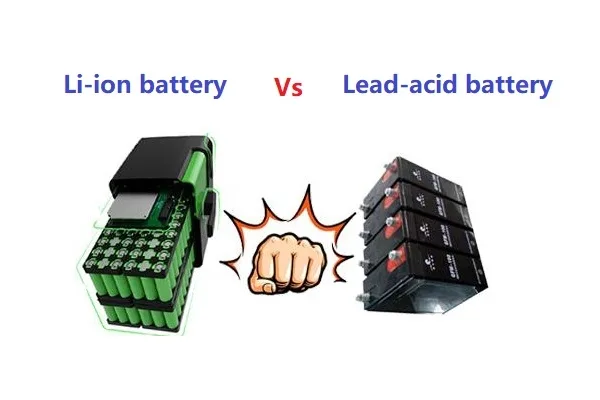
当选择之间 磷酸铁锂 (磷酸铁锂) 和 锂离子 (锂离子电池) 电池, 了解它们的差异对于优化性能至关重要, 安全, 和成本. 本指南分解了他们的化学反应, 优点, 局限性, 以及帮助您做出明智决定的理想应用程序.

什么是磷酸铁锂电池?
LiFePO4 电池是锂离子电池的一个子类型,使用 磷酸盐基阴极 (磷酸铁锂₄) 代替传统锂离子电池等钴基或镍基材料. 这种独特的化学性质赋予它们卓越的热稳定性, 安全, 和长寿.
磷酸铁锂电池的优点
1. 卓越的安全性
LiFePO4 电池是 抗热失控, 危险的连锁反应会导致传统锂离子电池起火. 即使在极端条件下,其稳定的化学结构也能最大限度地降低过热风险.
2. 更长的使用寿命
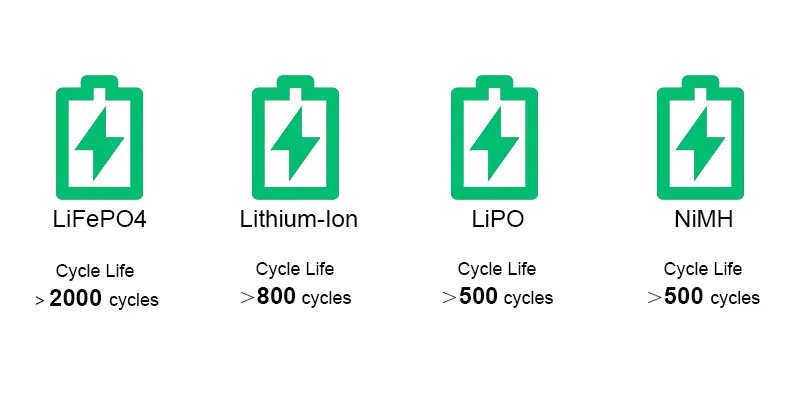
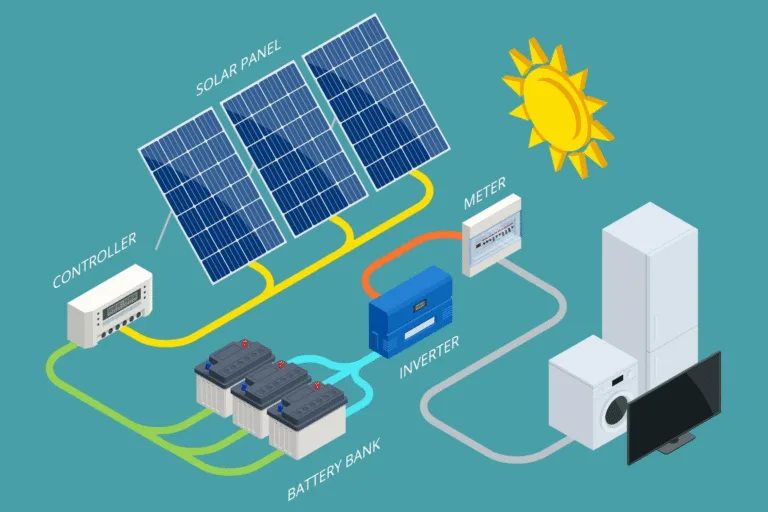
和 2,000–5,000 次充电周期 (与. 500–1,000(锂离子电池)), LiFePO4 电池在需要频繁循环的应用中表现出色, 例如太阳能储存或电动汽车.
3. 环保
他们使用无毒材料 (铁, 磷酸盐) 与钴基锂离子电池相比,更容易回收.
4. 宽温度耐受性
LiFePO4 在以下环境中高效运行 -20°C 至 60°C 范围, 优于锂离子电池的窄带 0°C 至 45°C 宽容.
5. 随着时间的推移成本效益
虽然前期价格比较贵, 使用寿命长,降低了更换成本. 例如, LiFePO4 电池的使用寿命成本为 80–200/kWh**vs.锂离子电池**80–200/千瓦时**与.李-离子’s**300–600/kWh.
LiFePO4 电池的缺点
1. 更低的能量密度
LiFePO4 商店 90–120瓦时/公斤, 低于锂离子电池 150–250瓦时/公斤, 使它们对于智能手机等高能应用来说变得更大.
2. 初始成本较高
他们先进的化学方法增加了前期成本, 尽管这被长期储蓄所抵消.
3. 有限的高功率性能
较低的放电率使其不太适合需要快速能量爆发的应用, 例如电动工具.
磷酸铁锂对比. 锂离子: 主要比较
| 公制 | 磷酸铁锂 | 锂离子 |
|---|---|---|
| 循环寿命 | 2,000–5,000 次循环 | 500–1,000 个周期 |
| 能量密度 | 90–120瓦时/公斤 | 150–250瓦时/公斤 |
| 安全 | 热失控风险最小 | 基于钴的设计风险较高 |
| 温度范围 | -20°C 至 60°C | 0°C 至 45°C |
| 成本 (寿命) | 降低 | 更高 |
磷酸铁锂电池寿命更长吗?
是的. LiFePO4 强大的化学特性使 3–5 倍更长的使用寿命 比锂离子电池. 正确维护, 例如避免深度放电 (>80% 国防部) 和极端温度, 可以进一步延长他们的寿命.
哪种锂电池续航时间最长?
LiFePO4 电池稳居长寿之冠, 最多 5,000 周期 在最佳条件下. 相比之下, 钴酸锂 (液态二氧化碳) 或镍锰钴 (国家管理委员会) 由于化学不稳定性,锂离子电池退化速度更快.
可以用锂离子充电器给磷酸铁锂充电吗?
不推荐. LiFePO4 要求较低 充电电压 (3.6每个电池 –3.65V) 与. 锂离子电池 4.2V. 使用不匹配的充电器可能会导致充电不足或损坏电池. 始终使用 LiFePO4专用充电器 为了安全和效率.
结论: LiFePO4 比锂离子好吗?
LiFePO4大放异彩安全关键, 长周期应用 像太阳能存储, 电动汽车, 和工业设备. 然而, 传统锂离子电池仍然具有优越性高能, 紧凑型设备 像笔记本电脑. 您的选择取决于优先考虑寿命和安全性与能量密度.
定制解决方案, 探索我们推荐的 LiFePO4 产品 这里 或咨询专家定制需求.
探索更多:
10千瓦时磷酸铁锂电池 10缅甸千瓦时太阳能电池成本 25千瓦时电池系统 多合一 BESS集装箱4MWh沙特 BESS制造商中国 最便宜的家用电池 中国BESS解决方案 中国DDP批发 中国工厂磷酸铁锂电池 中国电网级电池储能系统 中国OEM供应商 肯尼亚商业电池存储 直流储能系统解决方案 直接发往 DRC 的 DDP 解决方案 中国直飞非洲 中国直飞非洲电池 储能电池 储能系统 全球锂电池领导者 A级电池 电网规模电池存储供应商 荷兰家庭的家用电池 家庭储能 工业 BESS 肯尼亚 铅酸与. 锂离子电池 磷酸铁锂 磷酸铁锂电池 南非的磷酸铁锂电池 LifePo4电池 LifePO4电池技术 伊拉克磷酸铁锂经销商 LiFePO4 ESS 肯尼亚 锂离子电池 锂离子电池 更低的价格 市场趋势 室外液冷柜 沙特磷酸铁锂采购 适用于工业的可扩展 BESS 解决方案 太阳能板 太阳系 堆叠一体式 批发磷酸铁锂太阳能电池 批发太阳能电池
一条评论