image 41 png
|||

顶部 3 太阳能系统用锂离子电池: 最佳精选 2025

The Core Role of Lithium-ion Batteries in Solar Systems and the Best Choices

With the growing popularity of solar systems, lithium-ion batteries have become the preferred choice in energy storage due to their high efficiency, long lifespan, and environmental benefits. This article combines information on mainstream products and manufacturers to analyze the types of lithium-ion batteries suitable for solar systems, their advantages, and recommendations for selection.

Sales Data Comparison

1. Global Sales Volume (2023):

  • LiFePO₄ Battery: 2.5 GWh
  • NCM Battery: 1.8 GWh
  • LTO Battery: 0.6 GWh
  • LiFePO₄ batteries have the largest share, making them the preferred choice for most residential and industrial systems.
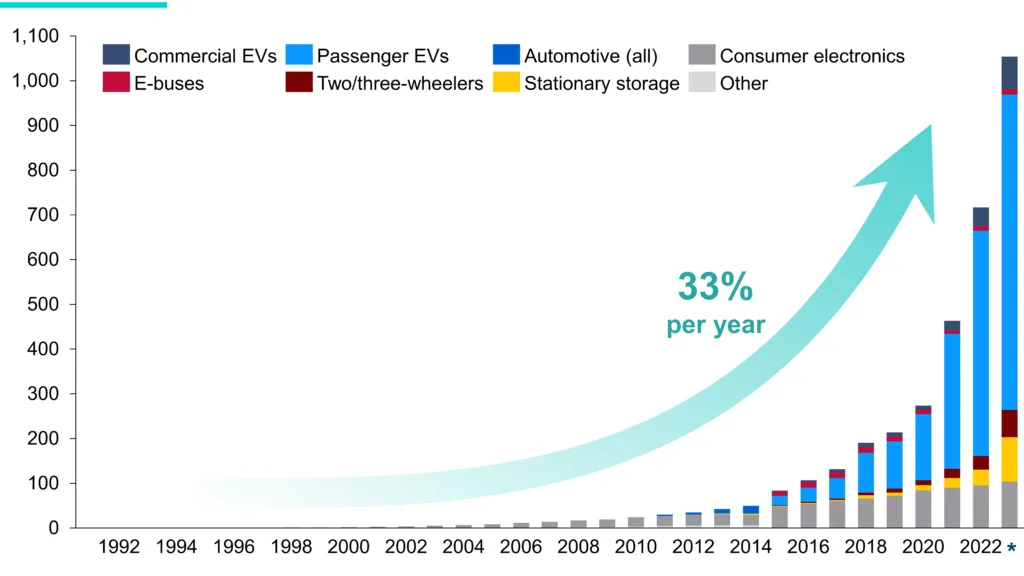
image 41 png
Source: Ziegler and Trancik (2021), Placke et al. (2017) for 1991-2014; BNEF Long-Term Electric Vehicle Outlook (2023) for 2015-2022 and the latest outlook for 2023 (*) from the BNEF Lithium-Ion Battery Price Survey (2023).

2. Usage Rates for Residential and Industrial Systems:

  • In residential systems:
    • 80% use LiFePO₄
    • 15% use NCM
    • 5% use LTO
  • In industrial and commercial systems:
    • 60% use LiFePO₄
    • 30% use NCM
    • 10% use LTO

3. Charge/Discharge Efficiency Comparison:

  • Charge/Discharge Efficiency:
    • LiFePO₄ Battery: 96%
    • NCM Battery: 92%
    • LTO Battery: 98%
  • 循环寿命:
    • LiFePO₄ Battery: 2000-5000 周期
    • NCM Battery: 1000-2000 周期
    • LTO Battery: 10,000 周期
  • 安全:
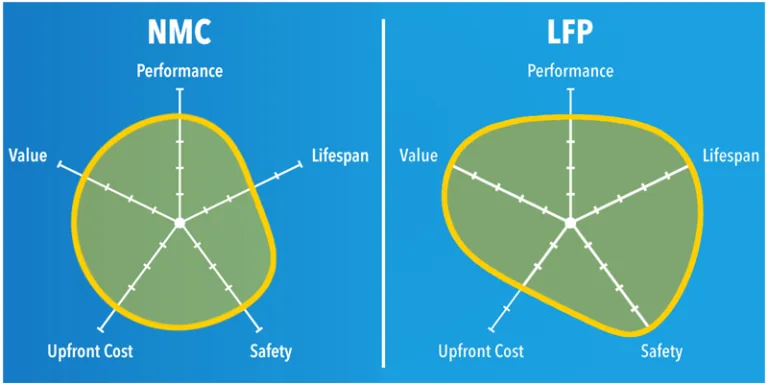
    • LiFePO₄: High, non-flammable
    • NCM: Medium, may experience thermal runaway
    • LTO: Very high, stable in extreme environments

4. Price Comparison:

  • LiFePO₄: 大约. $120–$180/kWh
  • NCM: 大约. $150–$200/kWh
  • LTO: 大约. $400–$600/kWh

Advantages of Lithium-ion Batteries in Solar Energy Storage

1. High Energy Density and Lightweight Compared to traditional lead-acid batteries, lithium-ion batteries, especially LiFePO₄ types, have a higher energy density and are lighter. 例如, a 12V 100Ah LiFePO₄ battery weighs only 9.36kg, while a lead-acid battery of the same capacity could weigh up to 30kg. This makes them ideal for rooftop installations or mobile applications like RVs and off-grid systems.

2. Long Cycle Life and Stability LiFePO₄ batteries typically have a cycle life of over 2000 周期 (和 80% capacity retention), far exceeding the 300-500 cycles of lead-acid batteries. Manufacturers like Dinali Energy perform rigorous quality testing to ensure battery stability under extreme temperatures and offer warranties ranging from 1 到 3 年.

3. Fast Charge/Discharge and High Compatibility Lithium-ion batteries support higher charge/discharge rates (例如, 100A BMS), enabling rapid response to energy input from solar panels. Through smart Battery Management Systems (电池管理系统), they provide overcharge and over-discharge protection, ensuring compatibility with inverters and solar controllers.

Lithium-ion Batteries

Best Lithium-ion Battery Types for Solar Systems

1. LiFePO₄ (Lithium Iron Phosphate Battery)

  • Core Advantages: High safety (strong thermal stability), 循环寿命长 (1500-2000 周期), environmentally friendly.
  • Typical Applications: Residential storage, off-grid solar systems, 房车, ETC.
  • Representative Product: A 12V 100Ah LiFePO₄ battery with 100A BMS, offering a 1-year warranty, priced around $139.

2. NCM (Nickel Cobalt Manganese Lithium Battery)

  • 特征: Higher energy density, ideal for space-sensitive applications, but with slightly lower cycle life compared to LiFePO₄.
  • 应用领域: Commercial and industrial storage systems, high-power demand hybrid solar setups.

3. LTO (Lithium Titanate Battery)

  • Advantages: Ultra-long cycle life (取决于 10,000 周期), wide temperature adaptability (-30°C 至 60°C).
  • Suitable Applications: Solar storage systems in extreme climates or microgrid systems with frequent charge/discharge cycles.

Purchasing Guide for Solar Lithium-ion Batteries

1. Capacity and Voltage Matching For residential systems, 12V or 24V batteries are commonly used (例如, a 12V 100Ah battery can store approximately 1.2kWh of energy). It is essential to calculate the total energy requirement based on load power and sunlight duration.

2. BMS and Safety Certifications Ensure the battery has an integrated BMS that supports overcurrent and temperature protection. Choose products certified by UL, CE, or TUV (such as those from EastSun ,Sunchees and 酷锂).

3. Manufacturer and After-sales Service Opt for brands that offer customized solutions:

  • Totlpower: 30,000 m² factory, supports industrial-grade energy storage customization.
  • CMGL Solar (Pakistan Market): Offers Tesla and Longi battery solutions with a 25-year system warranty.

Recommended Global Lithium Battery Manufacturers

1. EastSun (中国)

  • Their product line covers both residential and commercial storage systems, providing integrated solutions with hybrid inverters and LiFePO₄ batteries, certified by UL and IEC.

2. Dinali Energy (印度)

  • Specializes in green energy, producing LFP and NCM batteries, supporting solar inverters and microgrid applications, and offering 24/7 technical support.

3. Sunchees (中国)

  • 和 15 years of OEM experience, Sunchees offers pure sine wave inverters and lithium battery systems, supporting distributed projects in over 100 countries.

4. 酷锂(中国)

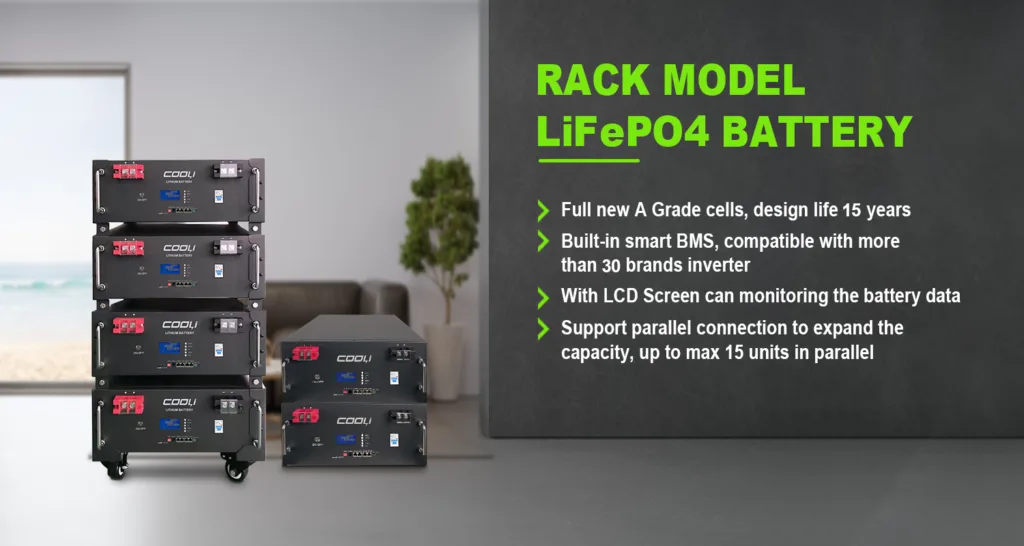
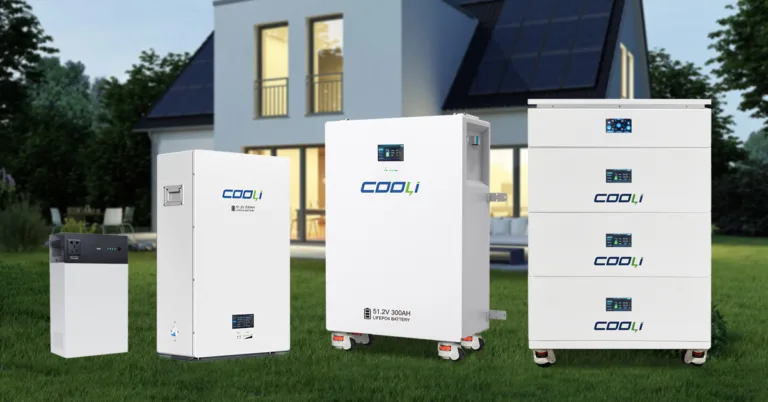
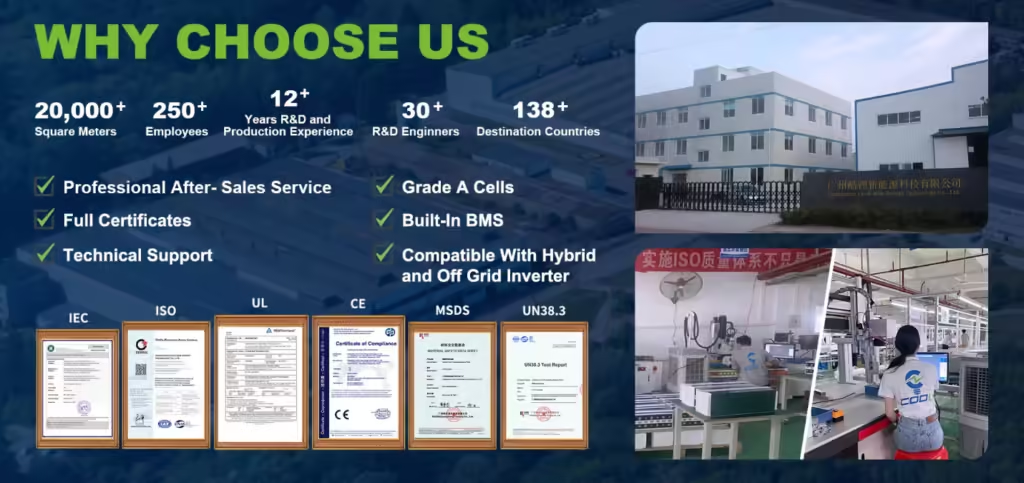
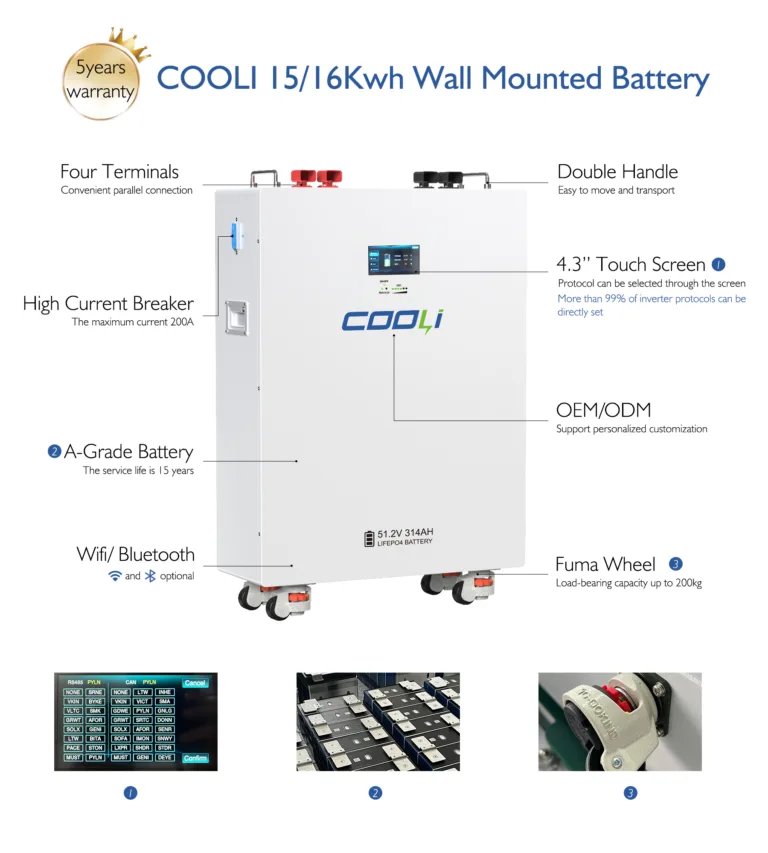
  • 15 多年经验专业工厂 3 生产用建筑物, 代加工&ODM experience, BMS系统由我们自己的工程师团队开发, 可以匹配超过 20 brands of inverters.Got ISO9001,UL,这-021, 国际电工委员会,CE,CB,UN38.3、MSDS,等证书.
Lithium-ion Battery

Installation and Maintenance Recommendations

1. System Compatibility Ensure the battery voltage matches the solar panel and inverter specifications (例如, a 12V battery must be compatible with a 12V solar controller).

2. Regular Monitoring Use smart apps provided by manufacturers (例如, CMGL Solar’s monitoring tools) to track the charging and discharging status in real-time.

3. Environmental Requirements Avoid high temperatures or humid environments. LiFePO₄ batteries are recommended to operate within a temperature range of -20°C to 60°C.

结论

LiFePO₄ batteries, due to their high charge/discharge efficiency, 安全, and affordable price, remain the top choice in most residential and industrial systems. NCM batteries are better suited for high-capacity applications, while LTO batteries stand out in extreme environments or high-frequency cycling scenarios. When selecting, consider the specific needs of the system, and from a long-term investment and efficiency perspective, LiFePO₄ is the best choice in most cases.

Global Solar Battery Market Overview Source: https://www.marketresearchfuture.com/reports/solar-battery-market-10621


5千瓦时 5kWh 家用备用电池 10千瓦时磷酸铁锂电池 16面向批发合作伙伴的 kWh LiFePO4 解决方案 多合一 BESS集装箱4MWh沙特 BESS制造商中国 最便宜的家用电池 中国BESS解决方案 中国工厂磷酸铁锂电池 中国电网级电池储能系统 肯尼亚商业电池存储 直流储能系统解决方案 直接发往 DRC 的 DDP 解决方案 中国直飞非洲 中国直飞非洲电池 刚果民主共和国海外仓 储能电池 储能系统 A级电池 电网规模电池存储供应商 荷兰家庭的家用电池 家庭储能 工业 BESS 肯尼亚 磷酸铁锂电池 南非的磷酸铁锂电池 LifePo4电池 磷酸铁锂电池制造商 LifePO4电池技术 LiFePO4 ESS 肯尼亚 锂离子电池 锂离子电池 更低的价格 最低价格 乌干达 市场趋势 欧洲家庭离网太阳能电池 室外液冷柜 通过可定制的 BESS 彻底改变业务能力 沙特磷酸铁锂采购 适用于工业的可扩展 BESS 解决方案 太阳能板 太阳系 堆叠一体式 批发磷酸铁锂太阳能电池 批发太阳能电池
类似文章

一条评论

发表回复

您的邮箱地址不会被公开。 必填项已用 * 标注